
A 250-foot monument at a gateway site tests every rule of site planning and view corridor management. When veterans oppose Arlington arch construction, the fight is not only symbolic. It signals staging limits, work-hour intensity, and public-realm risk that project managers, developers, and owners must plan around early.
Key Takeaways
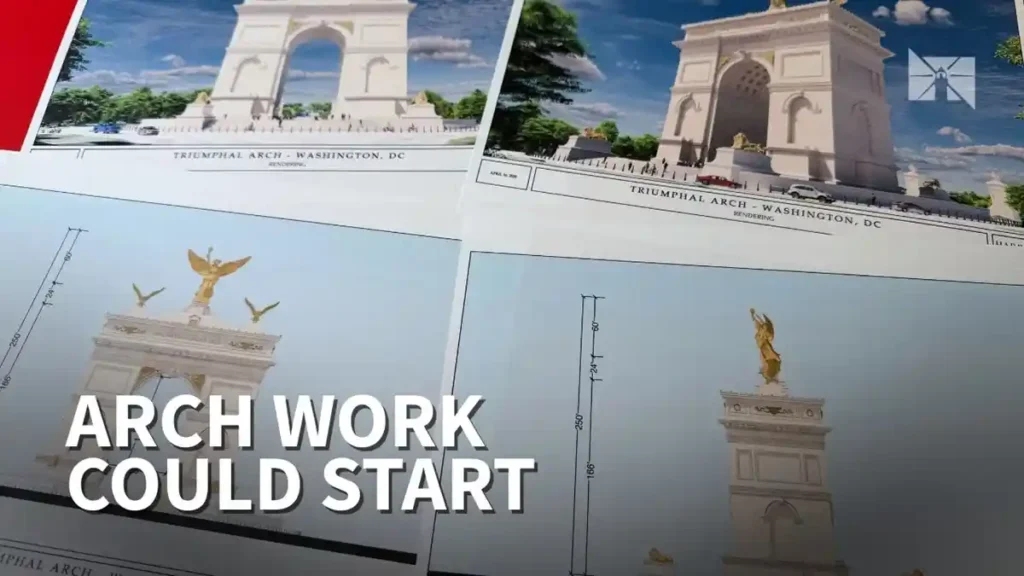
- The proposed Great Triumphal Arch would stand 250 feet tall at Memorial Circle on Columbia Island, adjacent to the cemetery’s main entrance, not inside it.
- Opposition groups cite broken sightlines, an observation deck, and 20-hour daily work for up to three years near active funerals.
- The project holds preliminary approval only, with final design review pending and active legal challenges in federal court.
Seattle Children’s Bellevue Clinic And Surgery Center Bellevue WA: A Precast Blueprint
Project Overview
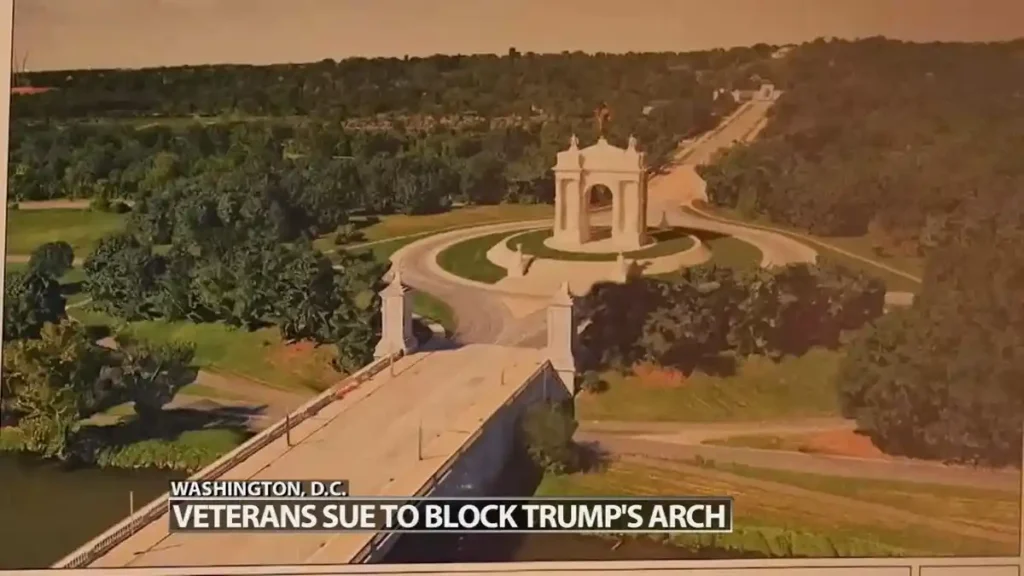
The proposed arch would sit at Memorial Circle on Columbia Island, between the Lincoln Memorial and Arlington National Cemetery. Reporting confirms it would be adjacent to the main entrance, not inside the burial grounds themselves.
What is verified: the structure is planned at 250 feet, and the National Capital Planning Commission granted preliminary approval in July. A final design vote is expected around October 1.
What remains disputed: advocacy groups, including veterans organizations, call the placement inappropriate. Federal filings cite a 1925 statute tied to Arlington Memorial Bridge. Challengers argue congressional approval is required.
Structural System Analysis
A monument at a civic gateway is never just an aesthetic object. It is a load path, a foundation problem, and a public-safety perimeter all at once. Our hands-on engineering experience shows the ground work drives everything.
Start with soil investigation. Near a river island, engineers expect variable fill and a high water table, which shapes deep foundations and settlement control. The National Park Service also flagged adverse effects on historic sites and the skyline.
Then manage the sightline. A tall arch changes the view corridor permanently. That is the core of why veterans oppose Arlington arch construction on this specific footprint.
Site logistics add pressure. Adjacent traffic, pedestrian safety, vibration controls, and staging space all tighten near hallowed ground. Recent near-term work involves four archaeological test pits, described as survey work, not full construction. That distinction matters legally and technically.
Materials
A 250-foot arch demands a material system with a clear load path and long service life. Each option carries different erection speed, finish upkeep, and durability tradeoffs. If you have been tracking precast concrete standards, this comparison will not come as a surprise.
- Cast-in-place concrete: monolithic strength, slow schedule, heavy formwork.
- Structural steel with cladding: fast erection, needs corrosion and fire protection.
- Precast concrete: factory quality, controlled finishes, faster field assembly.
- Stone-faced systems: premium appearance, high cost, demanding anchorage.
Bringing Survey-Grade Precision to Live Construction Sites
At Midwest Precast Contractor, we favor engineered precast where quality control, weather resistance, and on-time delivery matter most.
| System | Durability | Load Path Clarity | Erection Speed | Finish Upkeep | Long-Term Performance |
|---|---|---|---|---|---|
| Cast-in-place concrete | Very high | Excellent | Slow | Low | Very strong |
| Structural steel + cladding | High | Very good | Fast | Moderate to high | Strong with coatings |
| Precast concrete | Very high | Excellent | Fast | Low | Very strong |
| Stone-faced systems | High | Good | Slow | Moderate | Strong with anchorage care |
Specifications
Specs turn ambition into a buildable, lasting structure. Agency coordination sits at the center. The U.S. Commission of Fine Arts and planning bodies weigh height, massing, and context before final signoff. Design intent must survive constructability review.
Below is a decision matrix for a monumental gateway structure.
| Priority | Best Fit | Why |
|---|---|---|
| Fastest schedule | Precast or steel | Factory or shop fabrication |
| Lowest maintenance | Precast concrete | Durable, sealed surfaces |
| Premium civic finish | Stone-faced | Traditional monumental look |
| Minimal site disruption | Precast | Less field labor near sensitive ground |
Here is a public-site risk table owners should review.
| Risk Factor | Concern | Control Measure |
|---|---|---|
| Vibration | Impact on adjacent sites | Monitoring, limited equipment |
| Sightline loss | Permanent view change | Design review, massing study |
| Funeral disruption | 20-hour work near services | Scheduling windows, buffers |
| Maintenance access | Deck and lighting upkeep | Built-in access systems |
Follow OSHA safety standards and ACI concrete practices throughout.
Veterans Oppose Arlington Arch Construction
— US News (@Us_news_ways) September 9, 2026
When veterans oppose Arlington arch construction, the fight is not only symbolic. It signals staging limits, work-hour intensity, and public-realm…@USArmy @EUSADoD @ArlingtonNatl https://t.co/5rN0a2nvYu
Construction Timeline and Delivery Strategy
A disciplined sequence protects schedule, safety, and public trust. Industry contractors are noting that skipped preconstruction steps invite legal and civic pushback. Here is a realistic path.
- Preconstruction review and full agency coordination.
- Survey and site documentation.
- Archaeological test pits to inform planning, kept separate from full authorization.
- Soil testing and geotechnical analysis.
- Excavation only after final approval.
- Foundations and deep support installation.
- Superstructure erection with the chosen system.
- Cladding, access systems, and lighting.
- Commissioning and final punch list.
The near-term test-pit work is not the same as full construction authorization. Following FHWA practices for work near traffic keeps the perimeter and circulation safe.
How Barhale Trant Utilities Drives Civil Infrastructure
Sustainability and Stormwater Performance
High-visibility civic sites demand careful runoff control. Large foundations disturb soil, so erosion planning and sediment control come first. The EPA sets clear stormwater expectations for construction.
Hardscape integration matters too. A wide plaza changes drainage patterns, so designers must route water without pooling near pedestrian paths. Poor drainage shortens the life of any monument base.
Lifecycle also drives choices. Durable materials and built-in maintenance access lower long-term burden. Lighting adds another layer, since glare and spill near a memorial setting raise real stakeholder concern.
2025 to 2026 Upgrades and Event Readiness
Late 2026 puts federal review timing front and center. A final approval vote is expected around October 1, and public comment continues through the fall. Cold-season work windows add scheduling pressure.
- Ceremonial sensitivity: funerals occur every weekday nearby.
- Visitor management: clear routes protect the public and the site.
- Public hearing cadence: each review can reshape the plan.
The 20-hour daily schedule over two to three years is a central reason veterans oppose Arlington arch construction at this location. Prolonged night work near a memorial naturally triggers stakeholder objections, and any public owner should plan for that reaction early.
Lessons for Midwest Owners, Developers, and Contractors
Public projects live or die on early engagement. Weak preservation review invites lawsuits and delay. Our crews plan adjacency risk from day one.
- Engage stakeholders early: listen before you dig.
- Respect protected landscapes: context shapes design.
- Test constructability: confirm the plan can be built cleanly.
The reasons veterans oppose Arlington arch construction offer a clear lesson. View corridors, work-hour limits, and civic meaning are engineering constraints, not afterthoughts. At Midwest Precast Contractor, we treat them with the same rigor we bring to concrete restoration and industrial foundations, backed by NIST research on resilient structures.
Fixing the Bellevue School District HVAC Delay
Final Assessment
The debate over the arch is really a debate about balance. Ambitious civic structures must respect public meaning, protected views, and disciplined execution at every step.
When veterans oppose Arlington arch construction, they remind every builder that process, placement, and timing carry weight. At Midwest Precast Contractor, we believe major public work should pair structural ambition with engineering precision, durable systems, and dependable on-time delivery.