
Winter storm season is weeks away, and every highway that runs beside a river faces the same test.
California Highway 166 Cuyama River construction shows what happens when water wins, and how modern construction technology helps crews win it back.
If you build near flood-prone rivers in the Midwest, these lessons apply to your next bid.
Key Takeaways
- SR 166 runs about 95.886 miles across Santa Barbara, San Luis Obispo, and Kern Counties, and roughly 75 miles of it follow the Cuyama River canyon.
- A February 1998 storm washed out a section of the highway. Scour and drainage design are now non-negotiable on river corridors.
- Plant-cast precast concrete cuts weather exposure, haul risk, and lane-closure time compared with field-poured concrete.
North Augusta SC Million Construction Approved Contract Annexation Projects
What makes California Highway 166 Cuyama River construction so demanding?
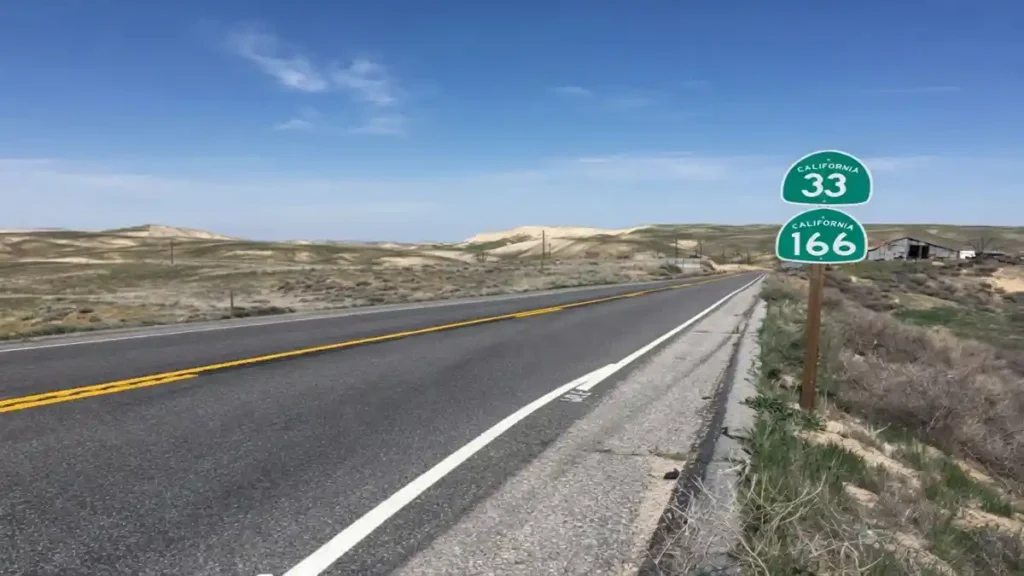
The terrain is the first problem. According to the California State Route 166 entry on Wikipedia, the route crosses the Santa Barbara/San Luis Obispo county line five times in about 75 miles.
That canyon stretch runs between the Sierra Madre Mountains and the ranges of San Luis Obispo County.
Caltrans maintains the highway, which is part of the California Freeway and Expressway System and is defined under Section 466 of the California Streets and Highways Code.
SR 166 is not part of the federal network described in the FHWA National Highway System program, which covers routes essential to the economy, defense, and mobility.
That distinction shapes how funding and design priorities stack up on state-managed rural corridors.
Remote canyons also create a logistics problem. ASTM C94 limits ready-mix discharge to 90 minutes after batching, and long hauls through mountain terrain eat into that window fast. Every mile from the batch plant raises the risk.
What did the 1998 washout teach the industry?
Water undermines roads from below before anyone sees damage on the surface. In February 1998, a storm swelled the Cuyama River and washed out part of SR 166.
CHP Officers Britt Irvine and Rick Stovall died when their cruiser drove off the missing section while they were responding to an early-morning call.
The stretch from US 101 to SR 33 now carries the name CHP Officers Irvine and Stovall Memorial Highway.
Our analysis suggests the core lesson from California Highway 166 Cuyama River construction reaches well beyond California.
Scour, the erosion of soil around foundations by moving water, is a life-safety issue and more than a maintenance line item.
Post and Beam Construction Cloth Hall Lancashire Religious House: Read the Frame
California Highway 166 Cuyama River Construction Lessons California Highway 166 Cuyama River construction shows what happens when water wins, and how modern construction… @constructdive @CivilEngDis @QuinnBowman11 https://t.co/jIGibb9ZIj
— US News (@Us_news_ways) October 26, 2026
Which deck system fits a river corridor best?
Precast wins on speed and control. If you’ve been following construction technology trends across the Midwest, this won’t come as a surprise.
We compared the two main bridge deck approaches that teams weigh for California Highway 166 Cuyama River construction and similar flood-exposed sites.
| Factor | Precast Deck Panels | Cast-in-Place Deck |
|---|---|---|
| Casting environment | Plant-controlled, PCI-certified | Open field, weather-exposed |
| Typical design strength | 5,000–7,000+ psi | 4,000–5,000 psi |
| Curing | Accelerated at plant | 7+ days wet cure on site |
| Ready-mix haul risk | None at the crossing | Bound by ASTM C94 limits |
| Lane closure | Days to weeks | Weeks to months |
| Quality verification | Plant audits | Field cylinder testing |
The Precast/Prestressed Concrete Institute runs the PCI Plant Certification program, which audits production quality before a single panel ships.
For field pours, the American Concrete Institute publishes ACI 308R curing guidance that your crew should follow to the letter.
Check your state DOT’s approved precaster list before you finalize a deck spec.
How will this affect your next build?
River corridors reward contractors who plan around water first.
Our contractors note that the strongest bids on projects like California Highway 166 Cuyama River construction follow a clear sequence:
- Pull the flood history. Review past closures through tools like Caltrans highway conditions, or check your state DOT equivalent.
- Model scour at every crossing. Use FHWA’s HEC-18 methodology to size foundations and armoring.
- Specify plant-cast elements early. Lock in precast deck panels, box culverts, and headwalls before bidding closes.
- Map haul routes. Confirm crane access for hydraulic truck cranes and check load limits on the approach roads.
- Schedule outside storm season. Set installation for low-flow months to protect crews and cofferdams.
- Monitor after handoff. Recommend post-flood inspections tied to stream-gauge thresholds.
Start with Step 1 this week, before winter rains limit site access.
Page County Iowa Megaprojects Construction Expansion Since 2024-02-27: Bid Smarter
What does this mean for Midwest contractors?
Midwest river towns face the same physics. Construction industry insiders are noting that agencies reward accelerated bridge construction (ABC, a method that uses prefabricated elements to shorten closures) on flood-prone routes.
California Highway 166 Cuyama River construction shows why: when a single washout cuts a 75-mile corridor, every day of closure costs drivers, ranches, and emergency responders.
We found three habits that separate winning river-corridor teams:
- Design for scour first and treat aesthetics as secondary.
- Partner with a PCI-certified plant within a practical trucking radius.
- Document curing and testing to ACI standards so inspectors sign off faster.
Our team sees California Highway 166 Cuyama River construction as a blueprint for any contractor working where water and roads meet.
Request a precast feasibility review on your next river-crossing bid before the design freezes.