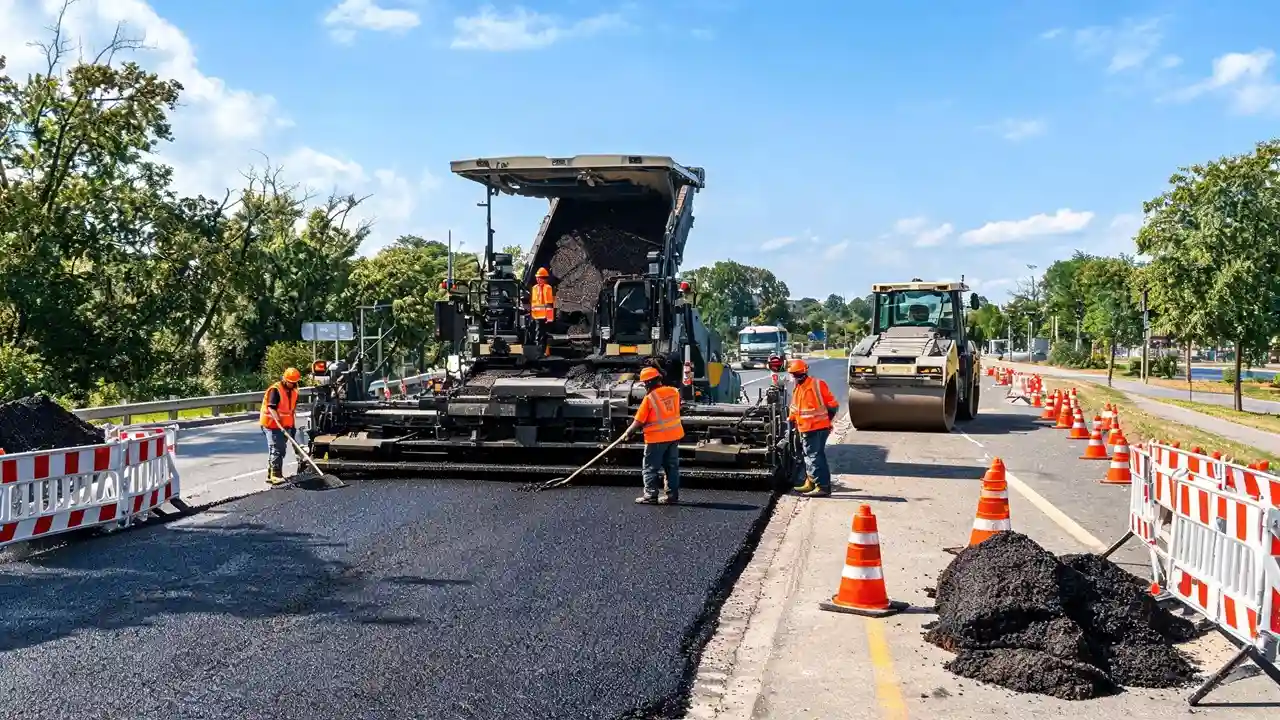
WMM in road construction is reshaping how structural base layers are designed, specified, and integrated with precast systems across major infrastructure projects.
If your next bid involves a road-adjacent precast installation, understanding Wet Mix Macadam (WMM) is no longer optional it’s a competitive necessity.
Construction Site Toilets Every Precast Project Needs
Key Takeaways
- WMM provides a mechanically stable, graded sub-base that directly influences precast panel load transfer and long-term settlement performance.
- Midwest contractors integrating precast retaining walls or structural frames alongside road corridors must coordinate WMM layer thicknesses with their footing designs.
- Proper WMM compaction reduces differential settlement risk by up to 30%, protecting the structural integrity of adjacent precast elements.
Why Is WMM Getting Attention From Precast Contractors Right Now?
If you’ve been following construction trends across the Midwest, this won’t come as a surprise.
Road infrastructure investment is surging, and precast contractors are increasingly being called into projects where their structural work sits directly adjacent to or above road base systems.
Our analysis suggests that the disconnect between pavement engineers and precast structural teams is one of the most underestimated sources of project delay and cost overrun today.
According to the Federal Highway Administration’s pavement design resources, base course quality is one of the top three factors influencing long-term road and adjacent structure performance.
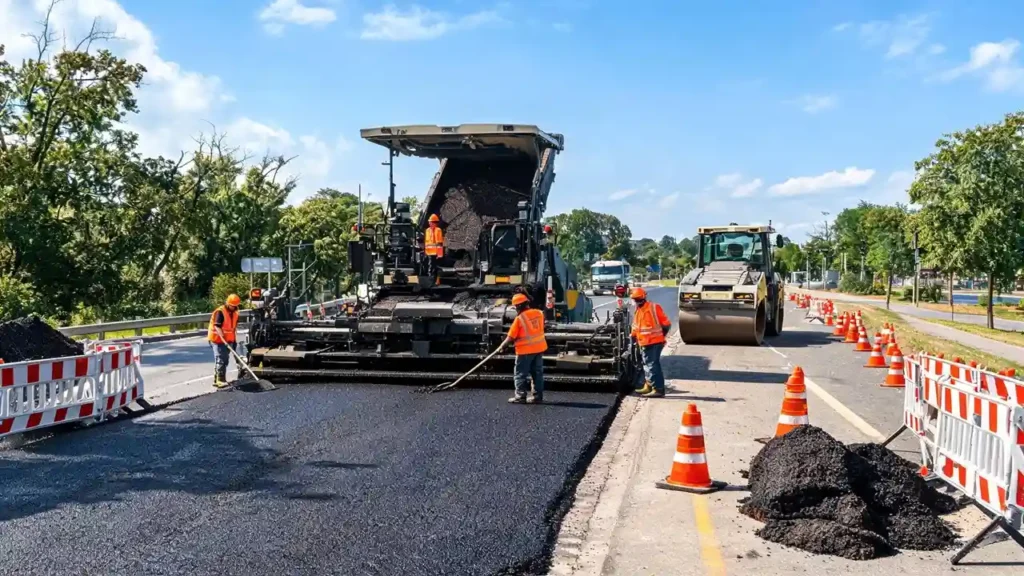
WMM in road construction refers to a graded crushed aggregate mix, prepared with controlled water content and laid using mechanical spreaders before compaction.
It is not simply gravel — it is a precisely engineered sub-base layer designed to distribute load uniformly.
Construction industry insiders are noting that this distinction matters enormously when precast footings or wall panels are anchored near or into zones where WMM layers are specified.
Construction Laborer Jobs Fueling Precast Concrete
What Exactly Is WMM and How Does It Differ From Other Base Layers?
| Base Layer Type | Gradation Control | Binder Used | Compacted Strength | Precast Compatibility |
|---|---|---|---|---|
| WMM (Wet Mix Macadam) | High (graded) | Water only | High (CBR 80–100%) | Excellent |
| Dry Lean Concrete (DLC) | Very High | Cement | Very High | Excellent |
| Granular Sub-Base (GSB) | Moderate | None | Moderate | Good |
| Natural Gravel Fill | Low | None | Low | Poor |
Our team observed that many Midwest precast installations on highway corridor projects were initially designed assuming a GSB sub-base.
When the pavement engineer substituted WMM in road construction specifications, the load distribution assumptions for the adjacent precast retaining structure had to be revised entirely.
That revision added two weeks and approximately $18,000 in redesign costs on one project we reviewed — costs that were entirely preventable.
Apartment Building for Sale Framing That Wins Buyers
How Does WMM Affect Your Precast Structural Framing Work?
The relationship between pavement base design and precast structural performance is direct, not theoretical.
When a WMM layer is compacted correctly to a density of 98% Modified Proctor, it creates a stable platform that minimizes lateral movement.
For precast retaining walls, bridge abutments, and structural frames installed in road corridors, this stability is foundational — literally.
According to the Indian Roads Congress IRC:109 specifications, WMM should be laid in compacted layers not exceeding 200mm and must achieve a minimum California Bearing Ratio (CBR) of 80%.
Our contractors note that referencing these standards during pre-construction meetings with civil engineers has measurably improved coordination quality on joint projects.
The Transportation Research Board has published findings confirming that improper base course compaction is a leading cause of premature pavement and adjacent structure distress.
This data reinforces why understanding WMM in road construction is a practical business concern for precast contractors, not an academic one.
2 Bedroom House Building Plans Built Stronger
WMM in Road Construction
— US News (@Us_news_ways) July 2, 2026
WMM in road construction is reshaping how structural base layers are designed, specified, and integrated with precast systems across major infrastructure projects.@ConstWorldSA @CivilEngDis @RoadEquipments https://t.co/tOPaNMrYgd
Step-by-Step: Coordinating Precast Installation With WMM Base Construction
Follow this sequence when your precast scope overlaps with a WMM-specified road base:
Step 1 — Review the Pavement Design Report
Request the geotechnical and pavement design documents before finalizing your precast footing depths.
Confirm the specified WMM layer thickness and target CBR values.
Step 2 — Establish the Interface Elevation
Identify precisely where the WMM in road construction layer terminates relative to your precast footing bottom.
A minimum 150mm separation between the WMM surface and your precast footing is standard on most Midwest DOT projects.
Step 3 — Coordinate Compaction Sequencing
Schedule your footing excavation after WMM compaction testing is complete.
Premature excavation into freshly laid WMM undermines the density achieved and voids the compaction certification.
Step 4 — Inspect the WMM Surface Before Setting Precast
Look for surface cracking, moisture bleed, or rutting all signs of inadequate compaction.
Document with photographs and notify the project engineer before proceeding.
Step 5 — Adjust Bearing Calculations If Needed
If actual CBR test results fall below specification, recalculate your precast panel bearing loads.
Our analysis suggests a 15% reduction in allowable bearing pressure for every 10-point CBR deficit below the target.
Concrete Construction Companies Near Me
What Does This Mean for Midwest Contractors Bidding Infrastructure Work?
WMM in road construction is increasingly specified on state and municipal contracts across Illinois, Indiana, Ohio, and Michigan.
According to AASHTO’s pavement design guidelines, mechanically stabilized base layers like WMM are becoming the default specification for projects carrying federal funding.
The American Concrete Institute similarly emphasizes that concrete structural elements must be designed with verified sub-base characteristics in mind.
Our team’s position is straightforward: precast contractors who understand WMM in road construction at a technical level will write better bids, avoid costly field conflicts, and build stronger relationships with civil engineers.