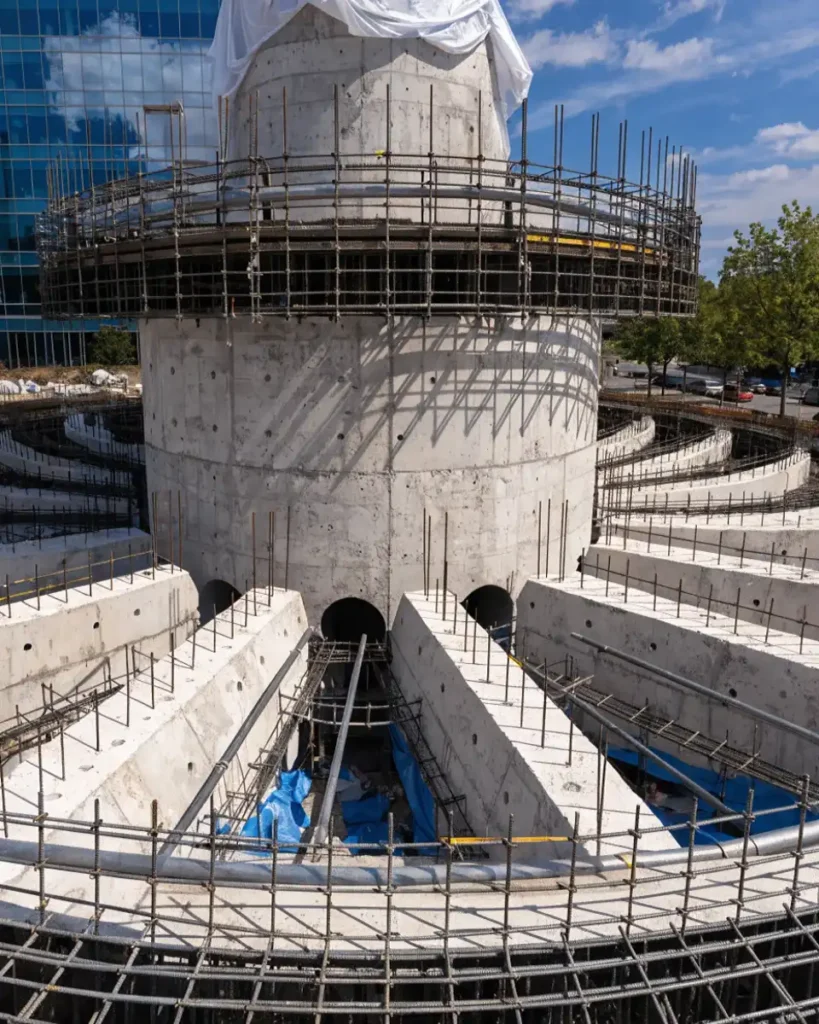
Concrete only holds the shape you give it. That shape comes from shuttering and shuttering systems, the temporary molds that carry wet concrete until it cures. For developers and property owners, weak formwork means cracked slabs, blown budgets, and failed inspections. Strong shuttering means structures that last decades.
Key Takeaways
- Shuttering and shuttering systems are the temporary molds that hold wet concrete in place until it reaches load-bearing strength.
- Material choice (timber, steel, aluminum, or plastic) directly controls finish quality, reuse count, and project cost.
- Proper bracing, curing time, and safe stripping keep crews safe and meet OSHA 1926.703 and ACI 347 standards.
Read More: Kennedy Center Tarp Facade Construction Explained
What Is Shuttering?
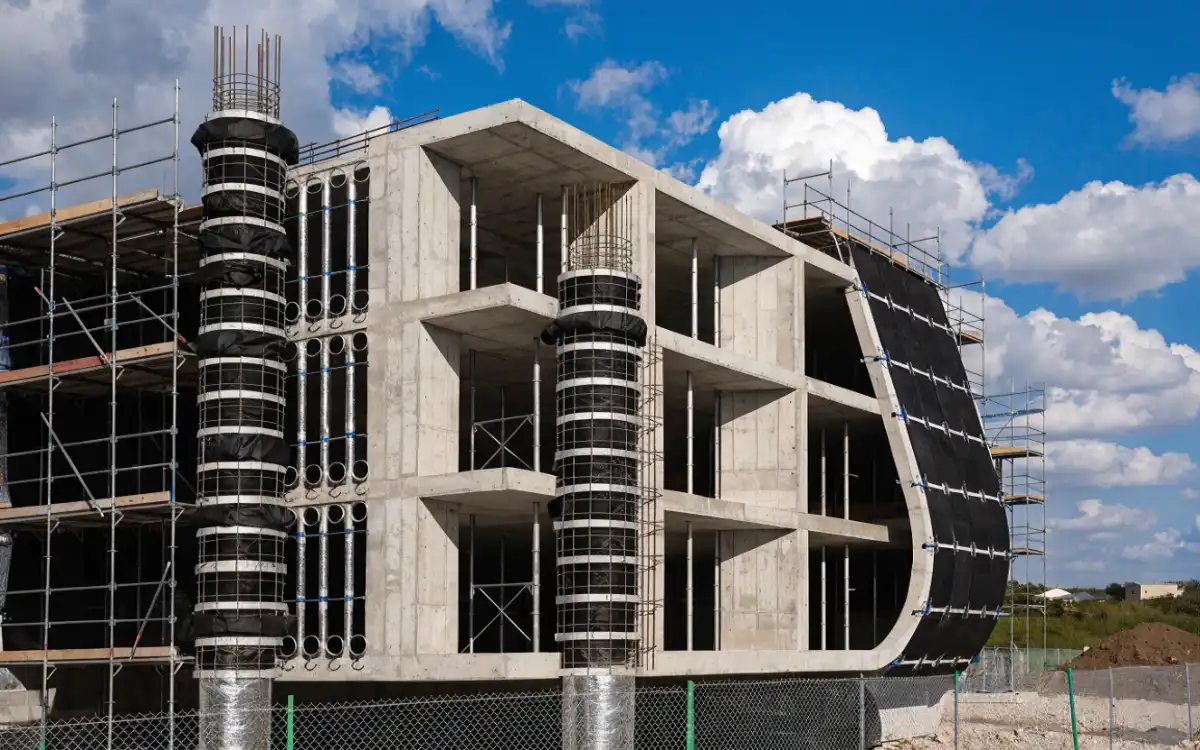
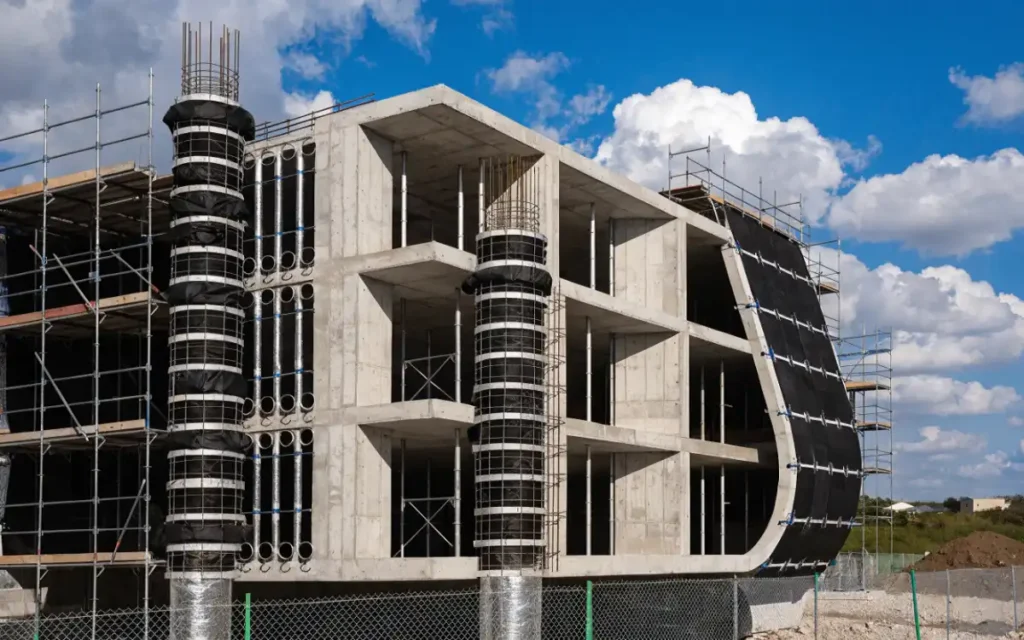
At Midwest Precast Contractor, we define shuttering as the temporary formwork that molds concrete into columns, beams, slabs, and walls. It stays in place through the pour and early cure, then gets stripped once the concrete gains strength.
Our hands-on engineering experience shows the mold is only half the job. The other half is bracing and support that carries the full wet load without deflection. A single sagging panel can ruin an entire pour.
The right shuttering delivers three things:
- Accurate dimensions that match the structural drawings
- Smooth surface finish that reduces patching later
- Safe support for the concrete and the crew above it
Types of Shuttering Systems
Industry contractors are noting a clear shift toward reusable systems. We match the shuttering type to the project, not the other way around. Below are the main options our crews deploy across Des Moines and the wider Midwest.
- Timber shuttering: Flexible and cheap for one-off custom shapes. Lower reuse count.
- Plywood shuttering: Smoother finish than raw timber, faster to assemble.
- Steel shuttering: High strength, hundreds of reuses, crisp finish for repeat work.
- Aluminum shuttering: Light enough for fast handling, strong for high-volume slabs.
- Plastic (modular) shuttering: Waterproof, lightweight, and ideal for repetitive residential pours.
If you have been tracking precast standards, this range explains why one-size formwork rarely works. Each system trades cost against durability, speed, and reuse.

Materials Comparison
The material decides the outcome. Below we compare the shuttering materials we use most, based on years of field data.
| Material | Reuse Count | Finish Quality | Weight | Best Use |
|---|---|---|---|---|
| Timber | 5–10 | Fair | Medium | Custom shapes |
| Plywood | 10–20 | Good | Light | Slabs and walls |
| Steel | 100+ | Excellent | Heavy | Repeat commercial |
| Aluminum | 100+ | Very good | Light | High-volume slabs |
| Plastic | 50+ | Good | Very light | Repetitive housing |
Plywood grading matters here. The American Wood Council outlines veneer and glue-bond requirements under PS 1 plywood standards, which we follow when specifying panels.
Read More: What Is the Supreme Law of the Land?
Load Capacity by System
Wet concrete is heavy. A full slab exerts serious pressure on every panel and prop. Load capacity drives our system selection more than any other single factor.
| System | Relative Load Rating | Deflection Control | Typical Application |
|---|---|---|---|
| Timber | Low | Moderate | Light residential |
| Plywood | Moderate | Good | Standard slabs |
| Steel | High | Excellent | Columns, deep beams |
| Aluminum | High | Very good | Large-area slabs |
Our design targets follow the American Concrete Institute guidance. The ACI 347 formwork provisions set the load and bracing rules we build to. Skipping those numbers is how formwork fails.
Installation Steps
Our crews follow a fixed sequence on every job. This keeps shuttering and shuttering work predictable, safe, and on schedule.
- Review drawings and confirm dimensions against the structural plan.
- Clean and treat panels with a release agent for easy stripping.
- Set and align the mold to exact line and level.
- Brace and prop to carry the full wet load without movement.
- Inspect joints, tightness, and support before the pour.
- Pour concrete in controlled lifts to avoid pressure spikes.
- Cure for the required time before any load transfer.
- Strip carefully once the concrete reaches target strength.
We time the strip to the cure, never the calendar. Early stripping is a top cause of surface damage and cracking.
Pros and Cons of Shuttering
Every system carries trade-offs. Here is the honest breakdown we share with clients before we quote.
Pros:
- Delivers precise concrete shapes every time
- Improves surface finish and cuts rework
- Reusable systems lower long-term cost
- Supports safe, code-compliant pours
Cons:
- Timber has a short lifespan and swells with moisture
- Steel and aluminum carry a higher upfront cost
- Poor bracing risks collapse and injury
- Labor and setup time add to the project schedule
Read More: How to Use a Router Table for Outdoor Builds
Shuttering and Shuttering Structural Guide
— US News (@Us_news_ways) August 25, 2026
Learn how shuttering and shuttering systems shape strong concrete builds. Expert tips on materials, safety, and Midwest weather performance.@engineeringcom @ConstructConnx @autodesk https://t.co/F7jxp5Z9aX
Safety Standards
Formwork failure is a life-safety issue, not just a quality one. NIOSH field reports document fatal collapses when formwork fails, which is why we treat bracing as non-negotiable.
Federal law backs this up. The OSHA 1926.703 requirements demand that formwork be designed, braced, and maintained to support all loads without failure. Our shuttering systems meet these rules on every site.
- Engineered design for every temporary structure
- Rated shoring and bracing checked before each pour
- Trained crews with 15-plus years of field experience
- Pre-pour inspection on all joints and supports
Midwest Weather Performance
Iowa winters test everything. Freeze-thaw cycles crack weak concrete and shorten its service life. Research from the National Institute of Standards and Technology confirms that freeze-thaw cycles damage structural integrity when curing is rushed.
That is why our shuttering work protects the cure window. Proper molds hold concrete steady while it gains freeze-resistant strength.
| Condition | Risk to Concrete | Our Control Method |
|---|---|---|
| Freeze-thaw | Surface cracking | Extended cure, insulated forms |
| High humidity | Slow set | Controlled release agents |
| Wind exposure | Rapid drying | Curing blankets |
| Summer heat | Shrinkage cracks | Timed lifts, moisture control |
Weather-tough building is the core of what we do. Building envelope guidance from the IIBEC resource library reinforces our moisture-control approach.
Formwork vs. Shuttering
People often ask if these terms differ. In practice, they overlap heavily. The distinction is mostly regional.
| Term | Common Meaning | Region |
|---|---|---|
| Shuttering | The mold panels and surface | UK, Asia |
| Formwork | The full mold and support system | US, Canada |
At Midwest Precast Contractor, we use both terms for the same temporary molding process. What matters is the engineering behind it, not the label. The concrete does not care what you call it.
Read More: Disneyland Entrance Construction Update Tech Signal
Cost Analysis
Cost depends on material, reuse, and labor. Cheap upfront often means expensive over time. Here is how the numbers typically compare on our projects.
| System | Upfront Cost | Cost Per Reuse | Best Value For |
|---|---|---|---|
| Timber | Low | High | Small custom jobs |
| Plywood | Low-medium | Medium | Mid-size builds |
| Steel | High | Very low | Repeat commercial |
| Aluminum | High | Low | High-volume slabs |
| Plastic | Medium | Low | Repetitive housing |
For repeat pours, steel and aluminum win on total cost. For one-off shapes, timber still holds its place. We size the shuttering to your build, not to a template.
Frequently Asked Questions
What is shuttering in construction?
It is the temporary mold that holds wet concrete until it cures into a load-bearing shape.
How long should shuttering stay in place?
It varies by element and mix. Slabs may need several days, while vertical forms come off sooner. We time it to strength, not the clock.
Is shuttering the same as formwork?
Yes, in most US usage. Shuttering and shuttering systems are simply the concrete molding process under a different regional name.
Which shuttering material lasts longest?
Steel and aluminum lead on reuse, often exceeding 100 cycles with proper care.
Do you serve areas outside Des Moines?
Yes. We build across Ankeny, West Des Moines, Urbandale, Johnston, Waukee, Ames, and nearby Midwest communities.
Build With Midwest Precast Contractor
Strong concrete starts with strong molds. With 15-plus years of field experience, our crews deliver engineered shuttering, precise pours, and on-time delivery built for Midwest conditions. Call +1 (414) 285-5933 for a free consultation and let us shape your next project the right way.