Why You Need a Professional Building Contractor
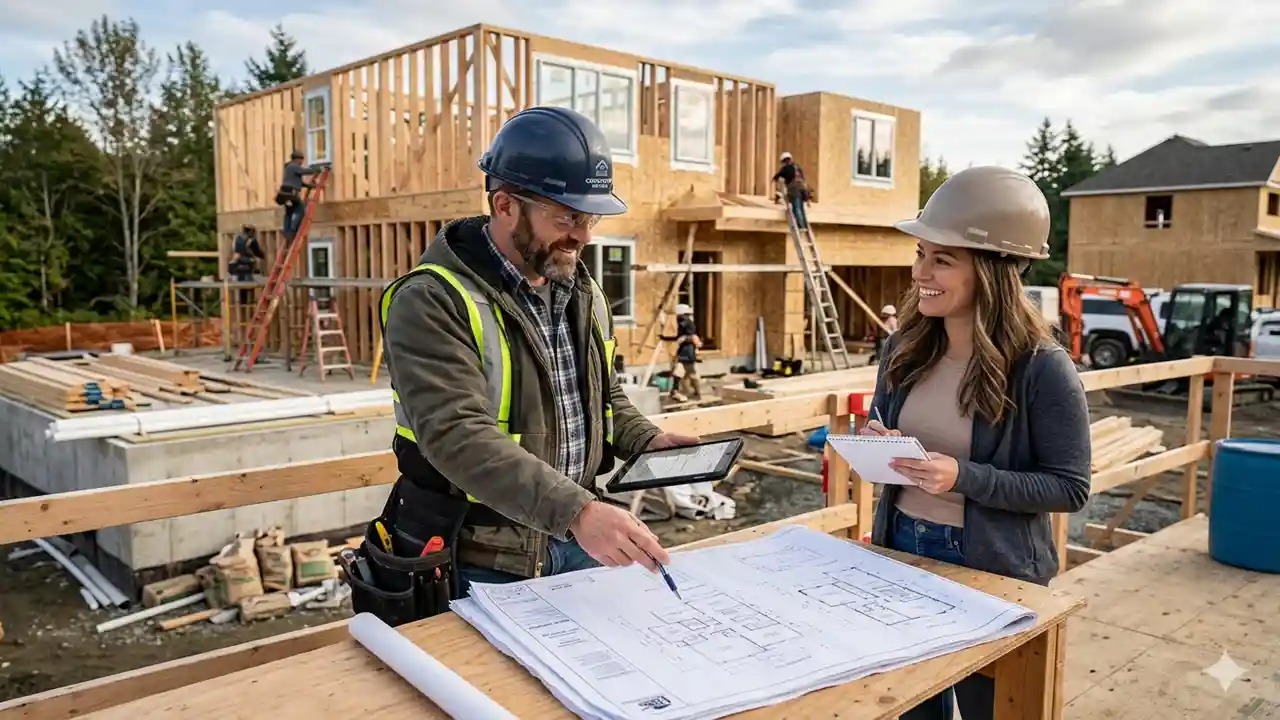
Many property owners consider “owner-building” to save costs, but the reality of construction is often more complex than it appears. A licensed building contractor acts as the engine of your project. They aren’t just there to swing hammers; they are project managers, legal buffers, and quality controllers.
Expertise and Project Management
A contractor manages the “big picture.” This includes scheduling specialized trades like electricians and plumbers at exactly the right time to avoid delays. Without this bird’s-eye view, a project can easily stall, leading to inflated costs.
Navigating Building Codes and Permits
Every region has strict zoning laws and safety codes. A seasoned building contractor understands these local regulations and handles the permit application process, ensuring your building is legal and safe. This expertise prevents the nightmare scenario of having to tear down completed work because it wasn’t up to code.
Key Services Offered by Construction Professionals
When you hire a building contractor, you aren’t just paying for labor; you’re paying for a comprehensive suite of services designed to bring a vision to life.
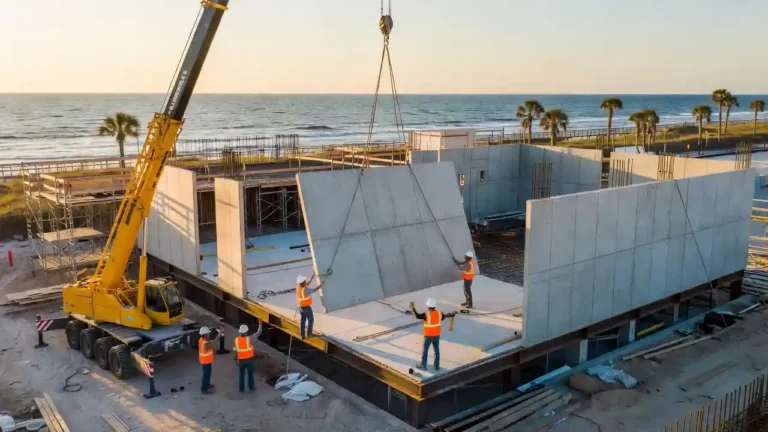
Why Precast Beats a Traditional Concrete Block Wall for Speed and Strength?
Pre-Construction Planning
Before any ground is broken, your contractor works on cost estimation, site evaluation, and material sourcing. This phase is crucial for setting a realistic budget and timeline.
Subcontractor Coordination
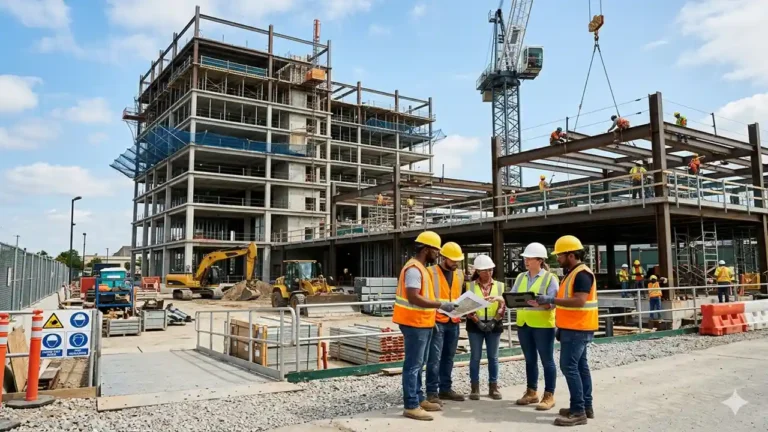
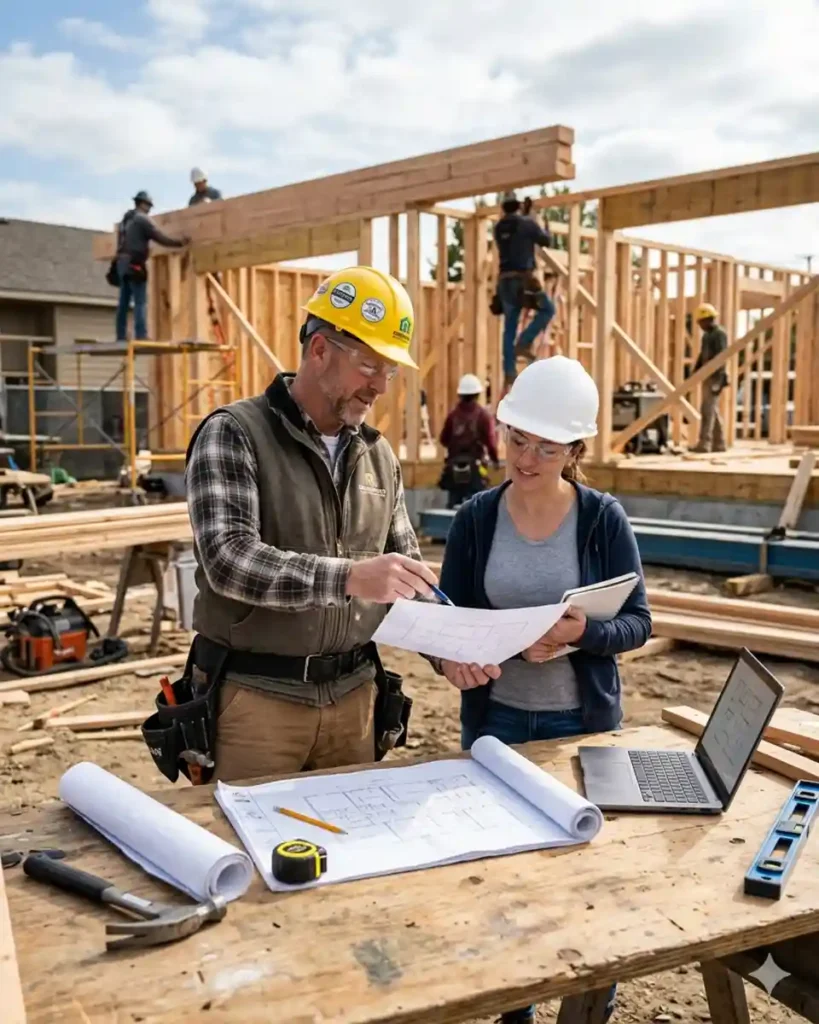
Most major builds require a variety of specialists. Your general building contractor maintains a network of trusted subcontractors. They take on the responsibility of vetting these workers, checking their insurance, and overseeing their performance on-site.
Site Supervision and Safety
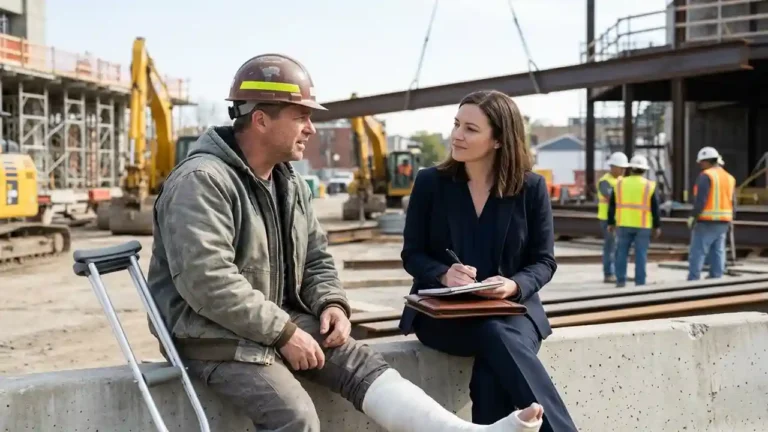
Construction sites are inherently dangerous. A professional contractor ensures that all safety protocols are followed, protecting both the workers and you, the property owner, from liability.
How to Choose the Right Building Contractor for Your Project
Choosing a partner for your build is a decision that will impact your life for months or even years. It’s not just about the lowest bid; it’s about find the right fit for your specific needs.
Building Contractor: Your Essential Guide to a Successful Projecthttps://t.co/1Kl7DHI0Hz
— Atholton News (@atholtonnews55) April 17, 2026
1. Verify Licenses and Insurance
Never compromise on this. A legitimate building contractor should carry general liability insurance and workers’ compensation. Ask for copies of these documents and verify their license status with your local state or city board.
2. Check Portfolios and References
Don’t just take their word for it. Look at past projects that are similar in scope to yours. If you’re building a modern glass house, a contractor who only does traditional brickwork might not be the best fit. Call at least three previous clients and ask:
- Was the project finished on time?
- Did they stay within the budget?
- How did they handle unexpected problems?
3. Communication Style
You will be talking to this person frequently. If they take three days to return a call during the bidding process, expect the same (or worse) once the project starts. Choose someone who is transparent and responsive.
Inside the Modern Concrete Plant
Understanding the Costs: How Contractors Quote
One of the biggest pain points for homeowners is the “moving target” of construction costs. To avoid surprises, you need to understand the two main types of contracts:
- Fixed Price Contracts: The building contractor provides a total price for the entire project. This is great for budgeting but may include a premium to cover the contractor’s risk of rising material costs.
- Cost-Plus Contracts: You pay for the actual cost of materials and labor, plus a pre-agreed percentage for the contractor’s overhead and profit. This is more transparent but requires the owner to stay on top of fluctuating costs.
Pro Tip: Always include a “contingency fund” of 10-15% in your budget. In construction, the unexpected is the only thing you can truly count on.
Common Challenges in Construction (and How to Solve Them)
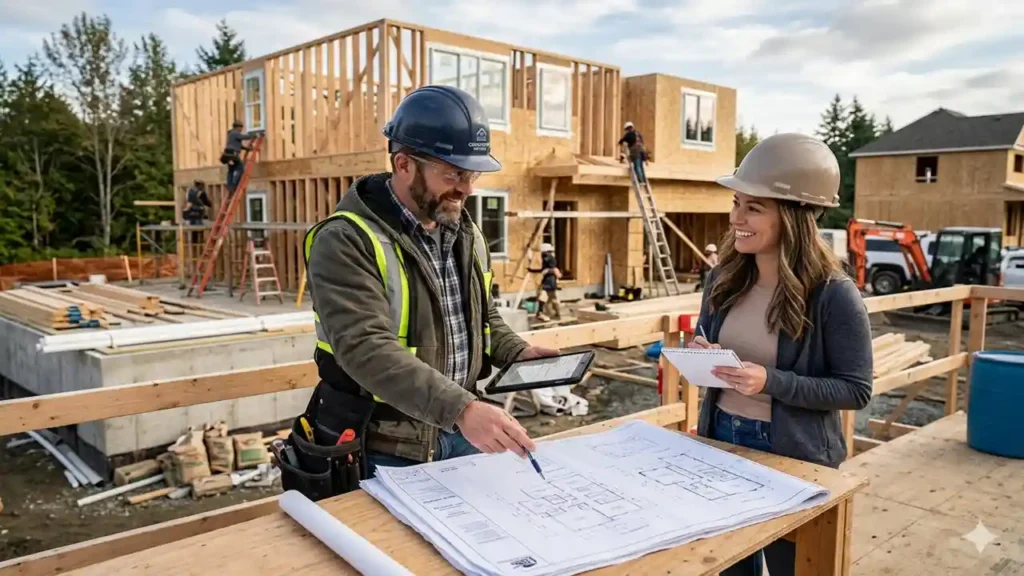
Even with the best building contractor, challenges will arise. The goal isn’t to avoid them entirely, but to manage them effectively.
Material Shortages and Delays
Global supply chains can be unpredictable. To mitigate this, work with your contractor to select and order “long-lead” items like custom windows or specialized flooring—well in advance.
Change Orders
A change order happens when you decide to switch a finish or move a wall after the contract is signed. These are the primary cause of budget overruns. Minimize these by spending extra time in the design phase before any physical work begins.
Top Concrete Contractor Services Transforming America’s Infrastructure
Weather Interference
Rain, snow, or extreme heat can halt progress. A professional building contractor builds “weather days” into the schedule to ensure the projected completion date remains as accurate as possible.
What is the difference between a general contractor and a building contractor?
While the terms are often used interchangeably, a building contractor typically focuses specifically on the physical construction and structural integrity of buildings, whereas a general contractor might handle broader renovations, maintenance, and various types of construction management.
How long does a typical home build take?
On average, a custom home takes between 8 to 12 months to complete. However, factors like site preparation, permit approvals, and weather can extend this timeline.
Should I buy my own materials to save money?
Generally, no. A building contractor usually gets trade discounts that aren’t available to the public. Additionally, if you buy the materials and they arrive damaged or late, you are responsible for the delay, not the contractor.
Building Your Future
Finding the right building contractor is the difference between a project that is a dream and one that is a nightmare. By focusing on clear communication, verifying credentials, and understanding the phases of construction, you set the stage for a smooth and successful build.