Why Choosing the Right Concrete Cement Mixers Matters
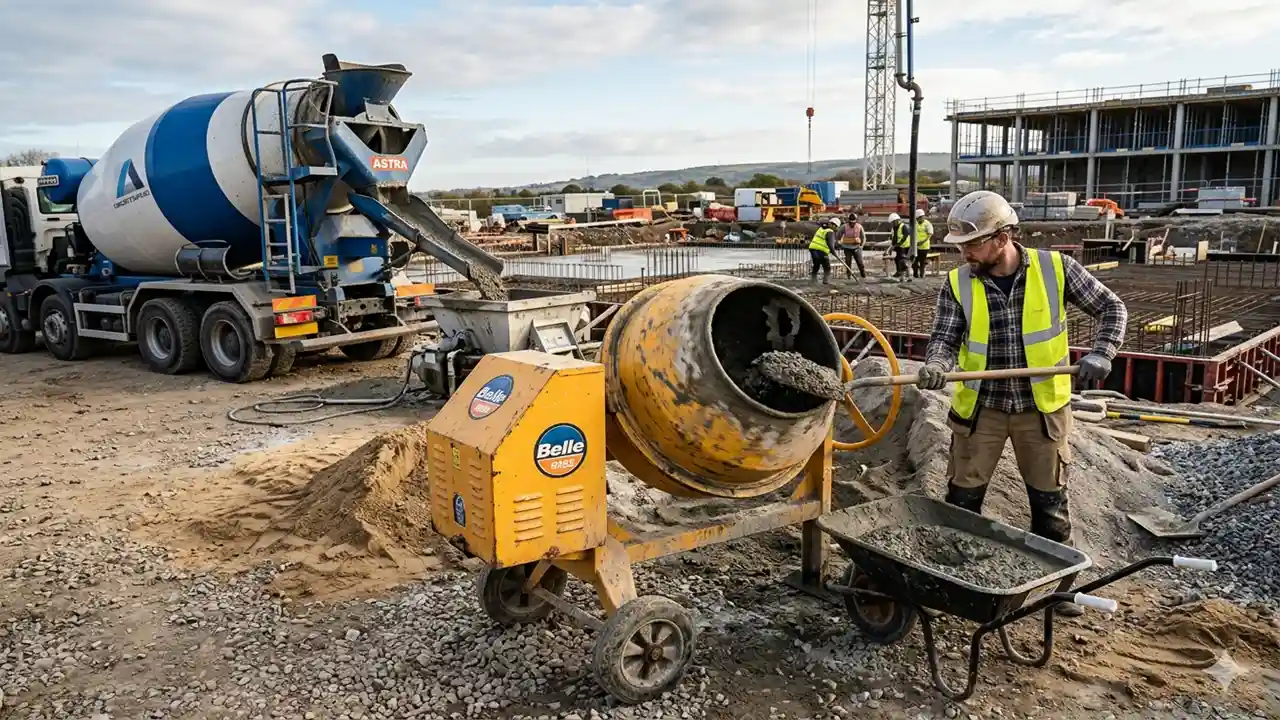
In the world of construction, time is literally money. Using manual labor to mix large volumes of concrete is not only exhausting but often leads to “cold joints” or inconsistent batches that can compromise the structural integrity of your build. High-quality concrete cement mixers ensure that the aggregate, cement, and water are distributed uniformly, creating a chemical bond that lasts for decades.
Choosing the wrong size or power source can lead to delays. A mixer that is too small will slow down your crew, while one that is unnecessarily large for a small residential path will waste fuel and be difficult to maneuver.
Types of Concrete Cement Mixers Explained
Understanding the mechanical landscape is the first step in making a smart investment. Not all mixers are created equal; they are generally categorized by their mobility and their power source.
1. Portable Batch Mixers
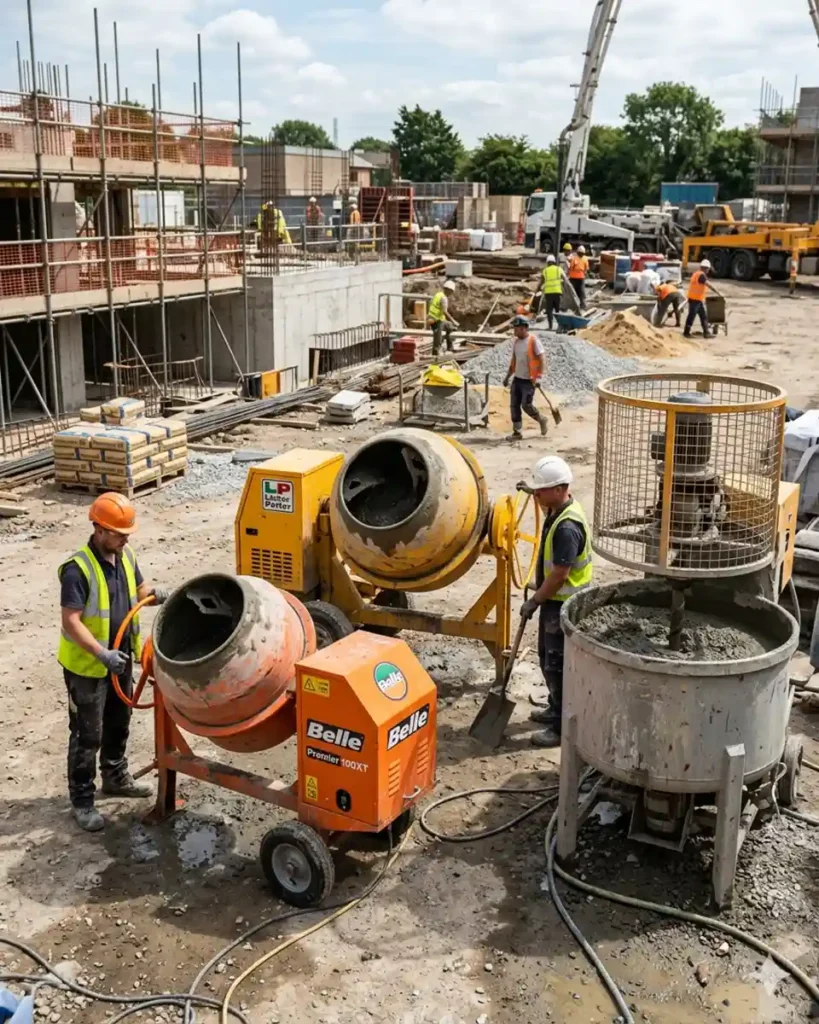
These are the most common concrete cement mixers seen on residential sites. They consist of a revolving drum and are usually mounted on wheels. They are perfect for small to medium-sized tasks like fence post installations or small slabs.
Rebaring in Concrete: The Ultimate Guide to Structural Reinforcement
2. Stationary Mixers
Typically found in “pre-cast” factories or massive industrial sites, these stay in one place. They handle enormous volumes and are designed for heavy-duty, continuous use.
3. Electric vs. Gas-Powered
- Electric Mixers: Best for indoor use or residential areas where noise is a concern. They are lighter and require less maintenance but need a constant power source.
- Gas Mixers: These are the workhorses of the industry. They offer higher torque and can be used in remote locations where electricity isn’t yet available.
Concrete Cement Mixers: The Ultimate Guide to Choosing and Using the Right Equipmenthttps://t.co/sts2z5Oyyv
— Atholton News (@atholtonnews55) April 17, 2026
Key Features to Look for Before You Buy
When shopping for concrete cement mixers, don’t just look at the price tag. Consider these technical aspects to ensure you’re getting a machine that can handle the grit of a real worksite.
How Long Does Cement Take to Dry? A Complete Guide for Success
Drum Capacity vs. Mixing Capacity
This is a common point of confusion. The “drum capacity” is the total volume of the drum, but the “mixing capacity” is usually about 60% of that. You need room for the materials to tumble; if you fill it to the brim, it won’t mix properly.
Material of Construction
- Steel Drums: Highly durable and resistant to punctures from heavy aggregate. However, they can rust if not cleaned meticulously.
- Polyethylene (Plastic) Drums: These are becoming popular because they are lighter and much easier to clean. Dried concrete usually peels right off the plastic surface.
Engine Horsepower
For heavy, stiff mixes, you need a motor with enough “oomph” to keep the drum turning. Look for a motor that offers consistent torque even when the drum is at maximum capacity.
How to Properly Operate Concrete Cement Mixers
Operating a mixer might seem straightforward, but a few professional tips can prevent mechanical failure and physical strain.
- Level Ground is Non-Negotiable: Always place your concrete cement mixers on flat, stable ground. A tilted mixer can tip over once the heavy wet concrete shifts inside the drum.
- The Order of Operations: Start the mixer first. Add half of the water, then the aggregate (gravel), then the cement, and finally the rest of the water. This prevents the cement from “balling up” or sticking to the back of the drum.
- Don’t Over-Mix: Mixing for too long can actually weaken the concrete by breaking down the aggregates or introducing too many air bubbles. Usually, 3 to 5 minutes of tumbling is sufficient.
Maintenance Tips for Longevity
If you treat your equipment well, it will return the favor. Concrete cement mixers are subject to some of the harshest conditions in the tool world grit, moisture, and heavy vibration.
- The “Wash Immediately” Rule: Never let concrete dry inside the drum. As soon as you pour your last batch, toss in a bucket of water and some coarse gravel, and let it spin for two minutes to “scour” the inside.
- Grease the Gears: Most mixers have a ring gear around the drum. Keep this lightly lubricated (unless specified otherwise by the manufacturer) to prevent grinding.
- Check the Belt: For electric and gas models, check the drive belt for fraying or slipping every few weeks.
Can U Paint Cement? The Ultimate Guide to Reviving Your Concrete Surfaces
Common Challenges and Solutions
| Problem | Likely Cause | Quick Fix |
| Drum stops turning | Overloaded or loose belt | Remove some material; tighten belt |
| Motor humming but no turn | Capacitor failure (Electric) | Replace starting capacitor |
| Excessive noise | Worn out bearings | Grease or replace drum bearings |
| Concrete sticking | Drum was dry or dirty | Wet the drum before adding dry mix |
How long do concrete cement mixers last?
With proper cleaning and engine maintenance, a high-quality steel-drum mixer can last 10 to 15 years. Plastic-drum versions also have a long lifespan but may need drum replacements if used with very sharp, heavy aggregates.
Can I mix mortar in a concrete mixer?
Yes, you can. However, because mortar is much stickier and lacks the large stones (aggregate) that help “scrub” the drum, you will need to be extra diligent about cleaning the machine immediately after use.
White Cement: The Ultimate Guide to Uses, Benefits, and Application Tips
Is it cheaper to rent or buy?
If you have a project lasting more than two weeks, buying one of the entry-level concrete cement mixers often pays for itself. If it’s a one-day job, renting a professional-grade unit is the more logical choice.
Ready to Start Your Project?
Investing in the right equipment is the difference between a job that feels like a chore and a project you can be proud of. Concrete cement mixers are the backbone of durable construction, providing the consistency you need for a professional finish.