
New construction communities live and die by the pace and quality of their foundations, and precast concrete is reshaping how Midwest developers hit their deadlines.
At Midwest Precast Contractor, we support builders across Des Moines, Milwaukee, Ankeny, and West Des Moines with precast solutions built for large-scale residential work. We’ve seen how the right approach saves weeks per phase.
This guide breaks down the methods, costs, and steps that keep multi-home projects moving.
Key Takeaways
- Precast concrete cuts weather delays and speeds up foundation timelines across entire developments.
- Planning and infrastructure matter as much as the homes themselves in successful communities.
- Durability protects long-term value for both builders and future homeowners.
The Problem With Traditional Site-Built Methods
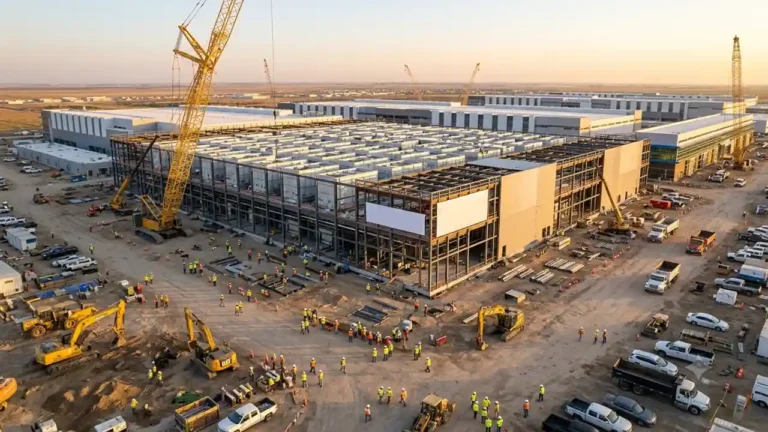
Pouring foundations one lot at a time is slow. Crews wait on weather, cure times, and inspections before moving to the next home. In a 40-home development, those small delays stack into months.
Quality also swings from lot to lot. On-site pours depend on temperature, moisture, and labor conditions that change daily across a big site.
Our crews observed this firsthand on Midwest projects where spring rains pushed schedules back week after week, driving up labor and equipment costs.
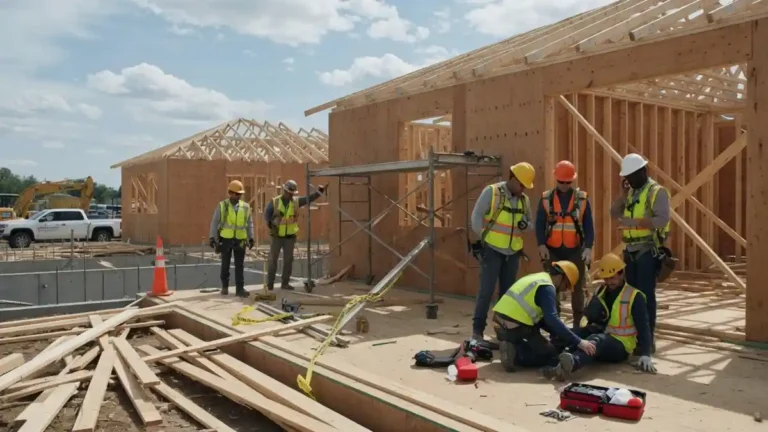
Safety adds another layer. OSHA notes that construction is a high-hazard industry that requires careful planning and control to protect workers. Sprawling sites with many active pours multiply those risks.
UNESCO Building V Completed 1970: A Concrete Lesson
How Precast Powers Modern New Construction Communities
Precast concrete flips the traditional model. Components are cast in a controlled plant, then delivered ready to set. This changes the math for large developments in two big ways.
Speed and Durability
Factory casting happens rain or shine. While one crew preps a lot, panels for the next are already curing indoors. That parallel workflow shrinks timelines dramatically.
Controlled conditions also mean consistent strength across every unit. Each panel meets the same spec, so homeowners get reliable quality throughout the community. Modern builders like Clarity Homes emphasize this too — their Parker Ridge community highlights how custom-designed homes benefit from thoughtful, detail-driven construction, a principle precast supports at scale. See the approach at Clarity Homes.
Bringing Survey-Grade Precision to Live Construction Sites
Planning and Infrastructure
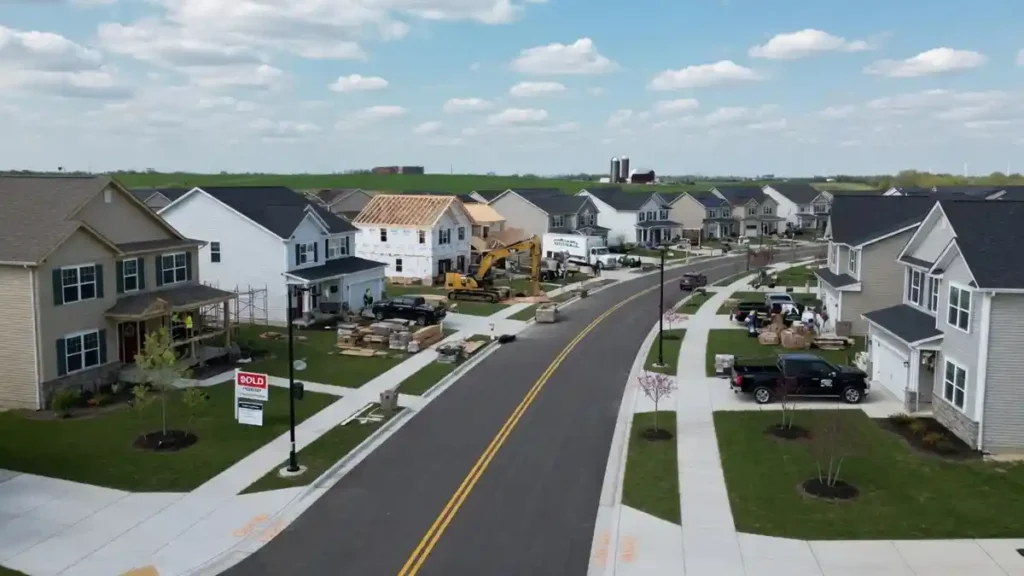
Great communities start before the first home. Site planning, drainage, utilities, and road layout set the stage for everything that follows.
Precast fits neatly into phased development. Deliveries can match your build sequence, so materials arrive as each section becomes ready. That keeps storage costs low and sites clear.
Traditional vs. Modern Methods
| Factor | Traditional Site-Built | Modern Precast |
|---|---|---|
| Weather impact | High delays | Minimal |
| Quality consistency | Varies by lot | Uniform |
| Speed per phase | Slower | Faster |
| Labor on site | Heavy | Reduced |
| Waste | Higher | Lower |
Precast Methods for Community Builds
| Type | Mechanism | Best Use Case |
|---|---|---|
| Precast walls | Factory-cast panels set on site | Foundations and basements |
| Structural framing | Load-bearing precast members | Multi-unit buildings |
| Formwork systems | Reusable molds shape pours | Repeating home designs |
2026 Cost Snapshot
Costs vary by scope, but Midwest community support typically runs $18,000–$45,000 per home for precast foundation and structural work in 2026. Larger phased contracts often land at the lower end per unit.
A rough breakdown:
- Foundation and structure: ~60%
- Finishing: ~25%
- Design and permits: ~15%
Always confirm figures with a site-specific quote.
Step-by-Step Process
- Site assessment — evaluate soil, drainage, and layout across the development.
- Design coordination — align precast specs with your floor plans and phasing.
- Factory casting — produce panels and components in controlled conditions.
- Scheduled delivery — components arrive matched to your build sequence.
- On-site setting — crews position and secure units quickly.
- Inspection and handoff — verify quality before the next phase begins.
New Construction Communities Complete Guide for Midwest Builders
— US News (@Us_news_ways) September 10, 2026
New construction communities live and die by the pace and quality of their foundations, and precast concrete…@hcraontario @HomeBuildersFed @NahBabyNahNah https://t.co/B0DVrKP7Pn
Pros and Cons
Pros
- Faster timelines across full communities
- Consistent, reliable quality
- Fewer weather delays
- Lower on-site labor needs
Cons
- Higher upfront coordination
- Requires crane access and staging space
- Less flexibility for last-minute design changes
Real-World Example
A Midwest developer planned a 52-home community on a tight two-year timeline. By switching foundation work to precast, the team cut foundation phases from roughly 10 days to 4 days per section. Across the full build, that saved an estimated 11 weeks and reduced weather-related rework by nearly 30%. The result: homes delivered on schedule and steady buyer confidence throughout the sales cycle.
How Barhale Trant Utilities Drives Civil Infrastructure
How Midwest Precast Contractor Applies This
Our core services map directly to community-scale needs.
Precast Concrete delivers ready-to-set foundations and panels that keep phases moving. Structural Framing provides load-bearing strength for multi-unit and single-family builds alike. Formwork Systems shine on repeating designs, where reusable molds speed up production and hold tight tolerances.
Together, these services help Des Moines and Milwaukee builders deliver quality at scale.
Common Mistakes to Avoid
- Skipping early planning for utilities and drainage, which causes costly rework.
- Ignoring delivery sequencing, leading to crowded sites and stored materials.
- Underestimating crane and staging needs for precast components.
- Choosing lowest bid over proven quality, which risks long-term durability.
FAQ
What makes precast ideal for new construction communities?
It speeds up timelines and keeps quality consistent across every home in the development.
Are precast homes durable in Midwest weather?
Yes. Factory-controlled casting produces strong, weather-resistant components built for freeze-thaw cycles.
How much do new home communities cost to build with precast?
Expect roughly $18,000–$45,000 per home for precast structural work in 2026, depending on scope.
Can precast fit phased community development?
Absolutely. Deliveries can match your build sequence, so materials arrive exactly when each section is ready.
Do new construction developments save time with precast?
Yes. Parallel factory casting and fast on-site setting can trim weeks off large projects.
Fixing the Bellevue School District HVAC Delay
Ready to Build Smarter?
Successful new construction communities start with the right foundation partner. Midwest Precast Contractor brings precast concrete, structural framing, and formwork systems to builders across Des Moines, Milwaukee, Ankeny, and West Des Moines.