
Most home additions fail before the first wall goes up. Not because of bad design, but because the foundation and structural system can’t handle Midwest freeze-thaw cycles. That’s where the right home addition contractors make or break your investment.
At Midwest Precast Contractor, we’ve spent years building durable additions across Des Moines, Ankeny, West Des Moines, and Milwaukee. We know what holds up when the temperature swings 60 degrees in a week.
This guide walks you through methods, costs, and the questions to ask before you hire anyone.
Key Takeaways
- Structural quality matters more than finishes a cracked foundation ruins even a beautiful addition.
- Precast concrete offers faster builds and better resistance to Midwest freeze-thaw damage.
- Choosing experienced home addition contractors early saves you from costly rework later.
Earman River Bridge Widening Cost North Palm Beach
The Problem With Traditional Additions
Conventional additions rely on poured-in-place foundations cured on-site. In our climate, that’s risky. Concrete poured in cold weather cures unevenly, and spring frost heave can shift footings within a few seasons.
Our crews observed this firsthand on a West Des Moines rebuild: an addition built just four years earlier had a sunroom floor pitching two inches because the footing was poured during a November cold snap.
The American Concrete Institute is clear on why. The ACI notes that concrete placed and cured in cold conditions can lose significant strength if it isn’t protected, leaving structures vulnerable to premature failure.
How Modern Home Addition Contractors Build Better
The best contractors now separate structure from finishing, controlling the quality of each stage. This reduces weather delays and gives you a stronger core.
Controlled Fabrication Off-Site
Precast concrete components are cast in a controlled plant, cured to full strength, then delivered ready to install. No guessing about weather. No waiting weeks for curing. This is where quality gets locked in.
Faster On-Site Assembly
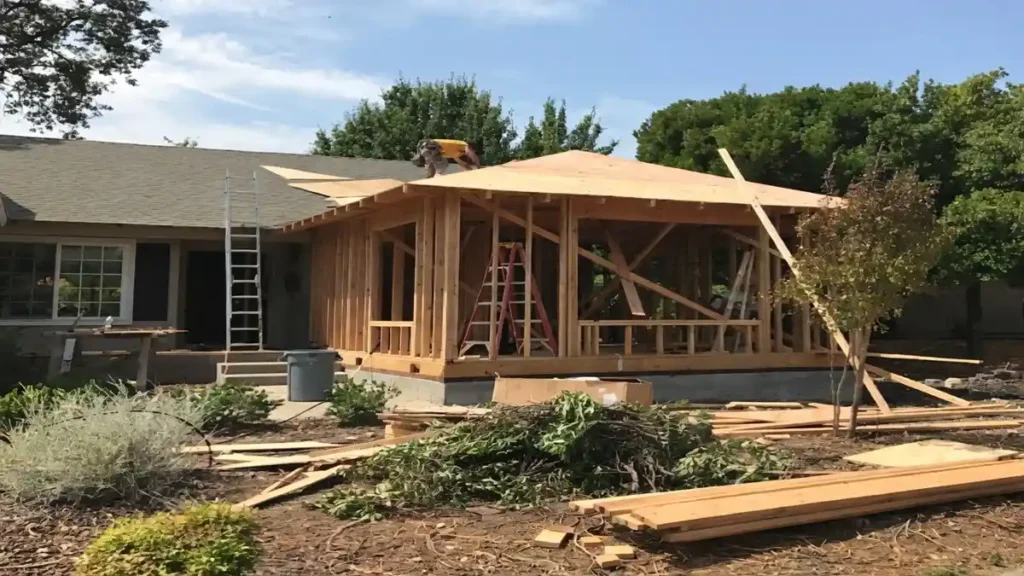
Once panels arrive, crews assemble the shell in days, not weeks. That means less exposure to rain and cold, and a quicker path to enclosing your addition.
When comparing options, do your homework. Houzz points out that homeowners can review local pros, read verified reviews, and match with specialists by project type before hiring.
Tilman Fertitta Las Vegas Hotel Halted Major Construction Project
Old vs. Modern Methods
| Factor | Traditional (Poured-in-Place) | Modern (Precast) |
|---|---|---|
| Curing time | 2-4 weeks on-site | Cured before delivery |
| Weather risk | High | Low |
| Build speed | Slow | Fast |
| Freeze-thaw resistance | Moderate | Strong |
| Quality control | Variable | Consistent |
Addition Types and Methods
| Type | Mechanism | Best Use Case |
|---|---|---|
| Precast panel addition | Factory-cast walls set on-site | Additions needing speed and durability |
| Structural framing addition | Steel or wood frame system | Multi-story or open-plan spaces |
| Formwork slab addition | Engineered forms for foundations | Uneven or sloped Midwest lots |
2026 Cost Snapshot
Expect $180 to $320 per square foot for a quality addition in the Des Moines and Milwaukee region in 2026. A typical 400-square-foot addition runs $72,000 to $128,000.
Here’s the rough cost breakdown:
- Foundation and structure: 45%
- Finishing (interior, roofing, windows): 40%
- Design and permits: 15%
The Step-by-Step Process
- Consultation and site review — contractors assess your lot, soil, and drainage.
- Design and engineering — plans account for load, code, and freeze depth.
- Permitting — secure local approvals in your city before work starts.
- Foundation and structure — set precast footings or panels for a stable core.
- Framing and enclosure — build out and seal against the elements fast.
- Finishing and inspection — complete interiors and pass final code review.
Home Addition Contractors for Construction Projects
— US News (@Us_news_ways) September 21, 2026
Choosing the right home addition contractors comes down to structure, not just style. In the Midwest, freeze-thaw cycles punish…@joelandcompany @CNplus @HomeAdditionNE https://t.co/WVEdMK8HH2
Pros and Cons
Pros
- Faster build timelines with fewer weather delays
- Stronger resistance to freeze-thaw cracking
- Consistent, plant-controlled quality
- Long-term durability lowers repair costs
Cons
- Higher upfront cost than basic poured methods
- Requires crane access for panel delivery
- Fewer contractors specialize in precast
Construction Debris Removal for Midwest Job Sites
Real-World Case Study
A homeowner in Ankeny needed a 500-square-foot family room addition. The previous contractor’s poured foundation had failed within three years, cracking along two walls.
We rebuilt using precast footings and panels. The structural shell went up in six days, compared to the three weeks quoted for a poured rebuild. Two winters later, inspection showed zero settling or cracking — and the homeowner reported heating bills dropped 18% thanks to tighter panel seals.
How Midwest Precast Contractor Applies This
Our approach is built for Midwest conditions. Through our services, we combine three core strengths:
- Precast Concrete: plant-cured components that resist freeze-thaw damage and install fast.
- Structural Framing: engineered framing that carries loads safely for single or multi-story additions.
- Formwork Systems: precise forms that deliver stable foundations even on sloped or uneven lots.
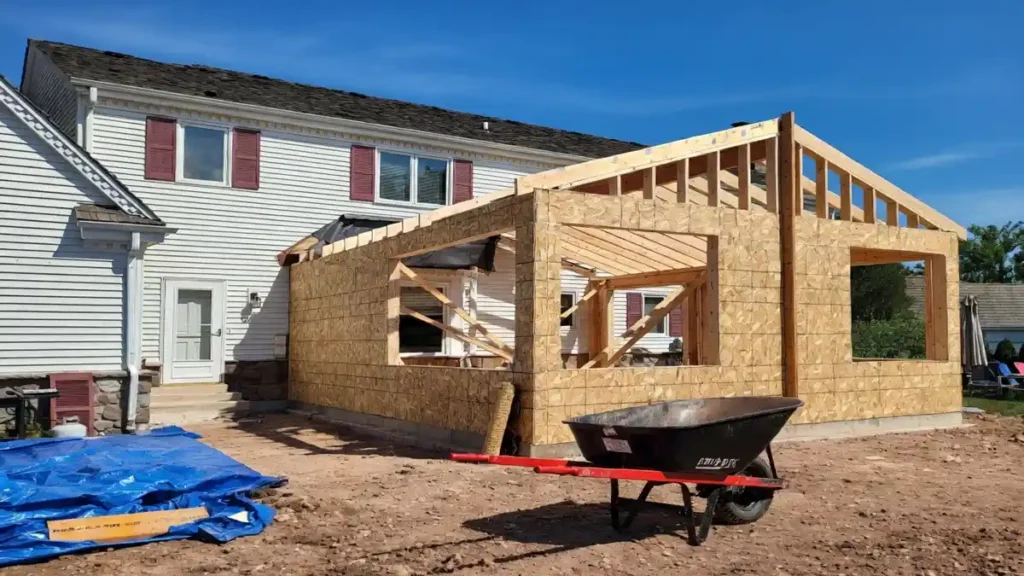
Together, these give your addition a core that lasts decades, not seasons.
Common Mistakes to Avoid
- Pouring foundations in cold weather without protection, leading to weak, crack-prone concrete.
- Hiring on price alone rather than checking structural experience and reviews.
- Skipping soil and drainage analysis, which causes settling and moisture problems later.
- Ignoring freeze depth in the design, risking frost heave and shifting.
Frequently Asked Questions
What do home addition contractors do?
They design, permit, and build extensions to your home. The best ones manage both structure and finishing for a lasting result.
How long does an addition take?
Precast additions can be structurally complete in under two weeks. Full projects usually take one to three months.
Are precast home additions more expensive?
Slightly higher upfront, but they save money over time with fewer repairs and better energy efficiency.
How do I choose the right home addition contractors?
Check reviews, verify structural experience, and confirm they understand Midwest freeze-thaw challenges.
Do additions need permits in Des Moines and Milwaukee?
Yes. Every addition requires local permits, and a good contractor handles the process for you.
Lake Elsinore Megaprojects 2025 2026: The Ultimate Guide
Final Thought
Choosing the right home addition contractors comes down to structure, not just style. In the Midwest, freeze-thaw cycles punish shortcuts so the foundation and framing you start with determine how long your addition lasts.
Midwest Precast Contractor brings precast concrete, structural framing, and formwork systems together to build additions that hold up across Des Moines, Ankeny, West Des Moines, and Milwaukee.