
A $400,000 penalty tells you exactly what happens when wastewater infrastructure falls behind regulations. Here’s how to build so it never happens to your project.
A city treats its wastewater for years, assumes it’s fine, then gets hit with a six-figure federal penalty. That’s the short version of the driggs idaho wastewater epa fine a case study in what aging, non-compliant infrastructure actually costs. The gap between “seems fine” and “actually compliant” is where the money disappears.
Municipal and commercial projects across the Midwest face the same pressure. Water systems, treatment structures, and containment basins all live under the Clean Water Act, and enforcement is not slowing down.
At Midwest Precast Contractor, we build wastewater and containment structures for clients across Des Moines, Milwaukee, Ankeny, and West Des Moines. We’ve seen how the right structural approach turns a compliance risk into a durable asset.
Key Takeaways
- The Driggs penalty reached $400,000 — a direct cost of Clean Water Act violations tied to wastewater discharge.
- Precast concrete structures resist the cracking and leaks that trigger enforcement in poured-in-place systems.
- Compliance is a design decision, not an afterthought it starts with the foundation and formwork.
City of Umatilla FL Megaprojects 2024-2026 Guide to Infrastructure Construction
The Problem With Conventional Wastewater Construction
Conventional wastewater construction fails slowly, then all at once. Cast-in-place concrete cures on site under variable weather, uneven curing conditions, and inconsistent consolidation which produces micro-cracks that leak contaminants years later.
Those leaks are what regulators find. A tank that passes inspection on day one can violate discharge limits after a decade of freeze-thaw cycles.
Our crews observed this firsthand on a retrofit near Milwaukee: a poured basin from the 1990s showed hairline fractures along every cold joint, each one a potential path for untreated seepage into groundwater.
The EPA is direct about the stakes. The agency emphasizes that untreated or under-treated wastewater discharge threatens public health and water quality, and that municipalities remain responsible for maintaining compliant systems regardless of infrastructure age.
How the Driggs EPA Fine Actually Happened
The Driggs fine happened because the city’s wastewater system discharged pollutants in violation of its permit limits. The penalty was not a surprise inspection gone wrong it was the end of a pattern of exceedances the system could not correct.
The Clean Water Act Enforcement Mechanism
The Clean Water Act sets enforceable discharge limits through NPDES permits (National Pollutant Discharge Elimination System). Exceed those limits, and each violation stacks toward a penalty.
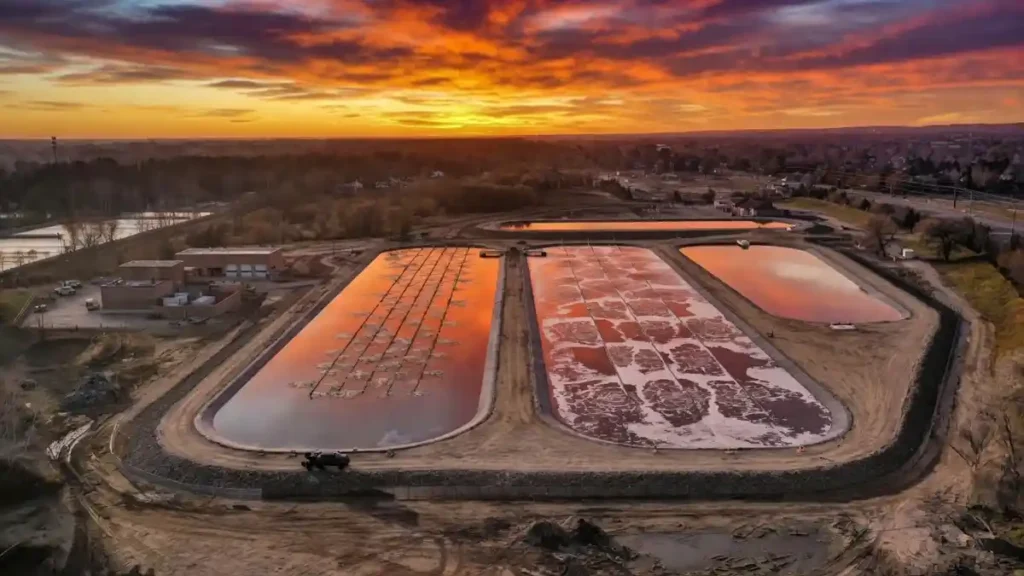
According to the EPA’s announcement, the City of Driggs, Idaho paid a $400,000 penalty for Clean Water Act violations and agreed to upgrade its wastewater treatment to meet permit requirements. The upgrade cost sits on top of the fine.
Why Structural Integrity Drives Compliance
Structural integrity is the root of discharge compliance. A treatment structure that cracks, settles, or leaks moves untreated water into the environment no matter how good the treatment chemistry is.
Precast components cured in controlled plants deliver consistent density and fewer joints. Fewer joints mean fewer failure points.
Westville Correctional Facility Westville IN 46391 Precast Construction Lessons for the Midwest
Old vs. Modern Compliance Approach
| Factor | Traditional (Cast-in-Place) | Modern (Precast) |
|---|---|---|
| Curing conditions | On-site, weather-dependent | Controlled plant environment |
| Joint count | High | Minimized |
| Leak risk over time | Elevated | Reduced |
| Inspection consistency | Variable | Repeatable, documented |
| Compliance lifespan | 10-15 years | 30-50 years |
Structural Methods for Wastewater Infrastructure
| Type | Mechanism | Best Use Case |
|---|---|---|
| Precast tanks | Factory-cured monolithic sections | Treatment basins, holding tanks |
| Structural framing | Load-bearing precast frames | Treatment plant buildings |
| Formwork systems | Precision molds for on-site pours | Custom foundations, transitions |
2026 Cost Overview
Compliant precast wastewater structures in 2026 run roughly $180–$320 per square foot, depending on capacity and site conditions. The breakdown:
- Foundation and structure: 60%
- Finishing and sealing: 25%
- Design and permits: 15%
The permit share is small but skipping it is what generates fines many times larger.
Step-by-Step: Building for Compliance
- Review the permit limits before design begins, so the structure targets actual discharge requirements.
- Engineer the load and containment to match capacity plus a safety margin for peak flow.
- Fabricate precast components in a controlled plant for consistent density and cure.
- Set and seal joints using proven waterstop methods to eliminate seepage paths.
- Inspect and document each stage, building a compliance record regulators accept.
- Commission and test the system against permit thresholds before it goes live.
Driggs Idaho Wastewater EPA Fine Lessons for Compliant Infrastructure
— US News (@Us_news_ways) September 18, 2026
That's the short version of the driggs idaho wastewater epa fine a case study in what aging, non-compliant infrastructure…@WaterSenseEPA @awwa @WaterOnline https://t.co/Y99TmI7yKE
Pros and Cons of the Precast Approach
Pros
- Consistent, plant-controlled quality
- Faster installation with less weather delay
- Fewer joints and long compliance lifespan
- Documented, repeatable inspection trail
Cons
- Higher upfront material cost than raw pours
- Requires crane access and staging space
- Less on-site shape flexibility for odd geometries
Mayo Clinic North Phoenix Expansion Construction Approved for Large-Scale Healthcare Builds
Case Study: A $400K Lesson Applied
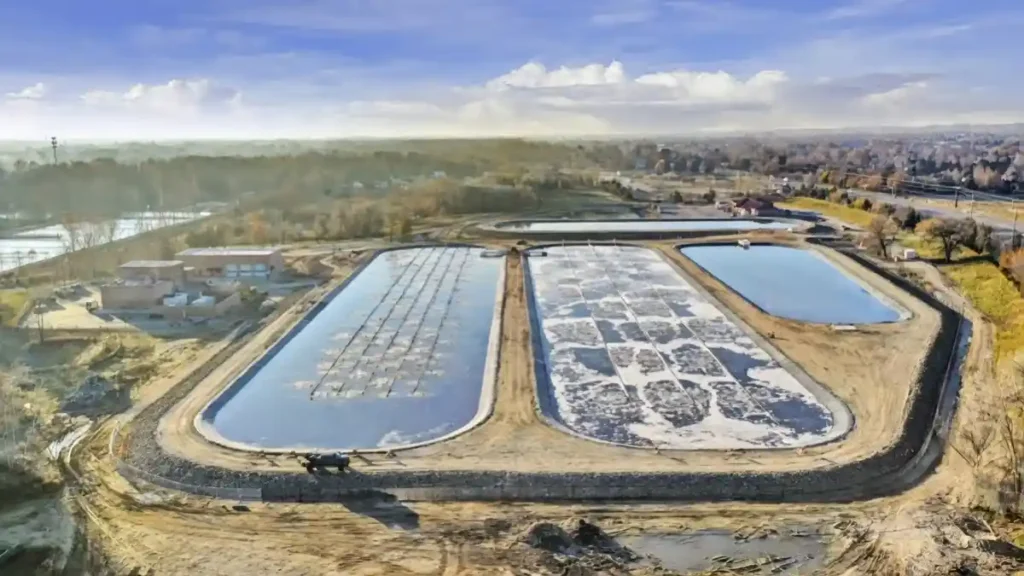
The Driggs case is the clearest example. The city paid a $400,000 penalty and then agreed to fund treatment upgrades — a combined outlay that far exceeds the cost of building compliant infrastructure the first time. A precast treatment basin sized for that community would have added a fraction of that penalty to the original project budget, while extending the compliance lifespan by decades.
How Midwest Precast Contractor Applies This
Our three core services map directly to compliance risk. Precast Concrete delivers the low-joint, high-density tanks that resist the leaks regulators flag. Structural Framing supports treatment buildings and elevated components with engineered load paths. Formwork Systems handle the custom transitions and foundations where standard precast won’t fit.
Together, they let us build wastewater infrastructure that holds up to inspection for the long haul. Explore the full range on our services page.
Common Mistakes to Avoid
- Treating permits as paperwork instead of design inputs — the Driggs case shows the cost.
- Relying on cast-in-place for containment when precast reduces joint failures.
- Skipping documentation during construction, leaving no record for regulators.
- Under-sizing for peak flow, which pushes systems past permit limits.
FAQ
What caused the Driggs Idaho wastewater EPA fine?
Clean Water Act discharge violations. The city exceeded its permit limits and paid a $400,000 penalty.
How much was the Driggs Idaho wastewater EPA penalty?
$400,000, plus an agreement to upgrade its wastewater treatment system.
Can precast concrete prevent EPA wastewater fines?
It reduces the leaks and cracks that trigger violations, lowering compliance risk significantly.
Does the Driggs EPA case apply to Midwest projects?
Yes. The Clean Water Act applies nationwide, including across Iowa and Wisconsin.
How long do precast wastewater structures last?
Typically 30 to 50 years, well beyond the 10-15 years common in cast-in-place systems.
New Construction Sarasota Modern Precast Building
Conclusion
The driggs idaho wastewater epa fine is a $400,000 reminder that compliance is built into the structure — or it isn’t there at all. Precast concrete, structural framing, and formwork systems give you infrastructure that passes inspection for decades, not years.