
Underground work rewards teams that respect ground pressure and punishes those that assume it will hold. On July 9, 2025, the wilmington tunnel collapsed 370 feet below Los Angeles, halting a $630 million wastewater project and forcing 27 workers to climb five miles to safety.
That failure was not sudden. Warning signs appeared five months earlier. The crews and engineers had data — the collapse still happened.
At Midwest Precast Contractor, we build durable underground and structural systems across Des Moines, Milwaukee, Ankeny, and West Des Moines. Here is what this incident teaches every underground team.
Key Takeaways
- Ground pressure caused segment ring “squeezing” and cracking months before the breach early signals matter.
- The collapse happened 4,100 feet away from the first squeezing zone, proving damage travels.
- Modern precast liner systems with monitoring reduce the risk that stopped this project cold.
The Problem With Conventional Tunnel Construction
Conventional tunnel construction underestimates how aggressively soil pushes back. When a tunnel bores through soft or high-pressure ground, the surrounding earth exerts force on the liner from every direction — and that force never rests.
Traditional methods often treat the liner as a static shell. It is not. Segment rings flex, oval, and crack under sustained load, especially near active fault zones like the Palos Verdes and Cabrillo zones the Clearwater tunnel crossed.
Our crews observed the same principle on Midwest soil projects: ground behaves differently at depth than borings predict. What looks stable at 30 feet can squeeze hard at 300.
OSHA is direct on this point excavation and underground work rank among the most hazardous operations in construction, and protective systems must match the actual soil conditions, not the plan on paper. That gap between plan and reality is where collapses start.
What Newpathconstruction Com Leadership Team Teaches Owners
Core Explanation: Why the Wilmington Tunnel Collapsed
The wilmington tunnel collapsed because ground pressure exceeded what the segment rings could carry. Two mechanisms drove the failure.
Ground Pressure Mechanics
Ground pressure is the sustained force soil and groundwater exert on a tunnel structure. At 370 feet deep, that pressure is immense and constant.
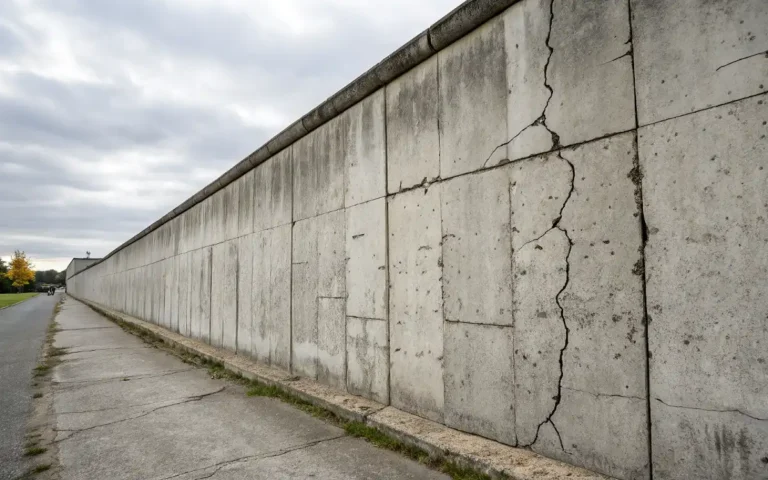
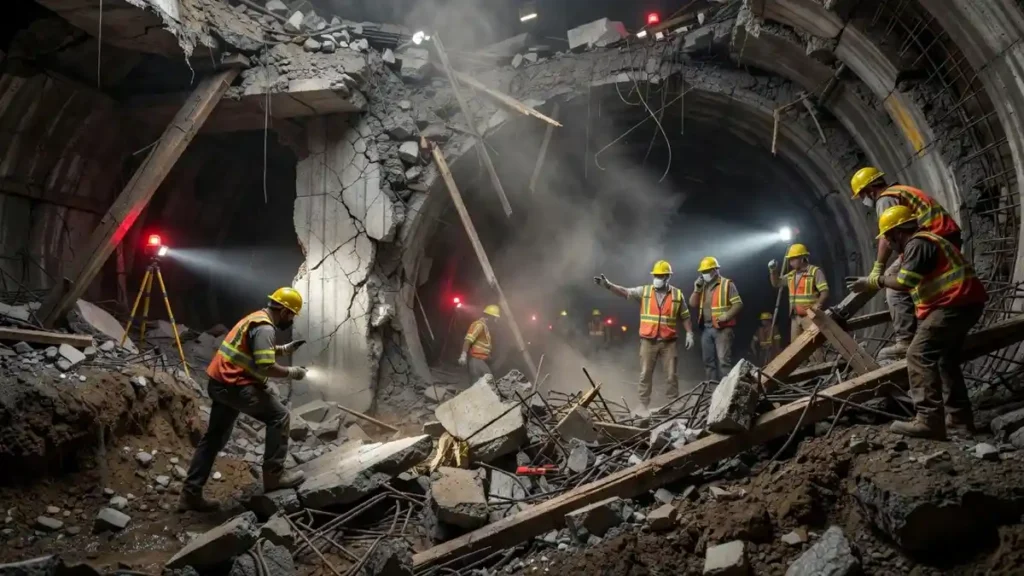
When pressure concentrates unevenly, it “squeezes” the tunnel. According to reporting from Construction Dive, the squeezing first surfaced in February 2025, deforming the segment rings into oval shapes and cracking them well before the July breach. The boring machine had advanced 4,100 feet past that zone when the tunnel gave way.
Segment Ring Failure
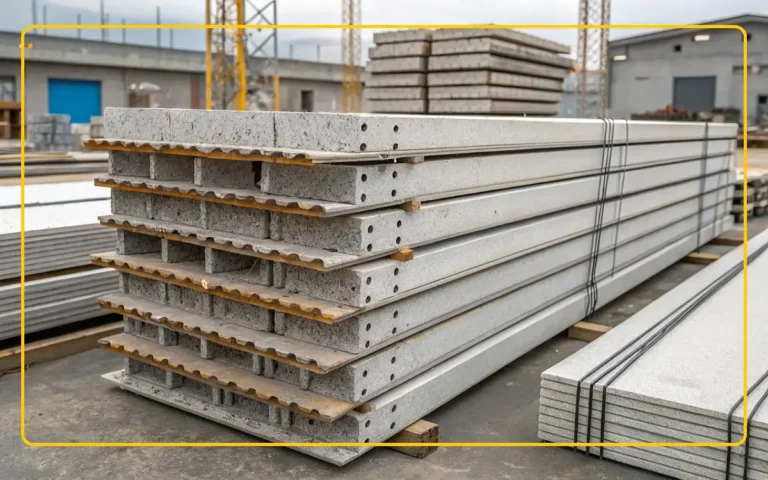
Segment rings are the precast concrete panels that form the tunnel wall. They carry load only when they stay circular.
Ovalization — the flattening of a round ring into an oval — is a warning that load has crossed safe limits. Cracking follows. CalOSHA placed a red tag on the site, and work remains at a full stop while investigators assess the breach.
Wilshire Grand Hotel Downtown LA A Build Study
Traditional vs. Modern Tunnel Liner Methods
| Factor | Traditional Method | Modern Method |
|---|---|---|
| Liner design | Static, uniform rings | Load-optimized precast segments |
| Monitoring | Periodic manual checks | Real-time sensor arrays |
| Deformation response | Reactive repairs | Predictive mitigation |
| Ground modeling | Single geotechnical survey | Continuous data updates |
| Fault-zone readiness | Standard specs | Seismic-rated systems |
Tunnel Liner Types and Best Uses
| Type | Mechanism | Best Use Case |
|---|---|---|
| Precast segmental rings | Bolted panels resist radial load | Deep bored tunnels |
| Cast-in-place liner | Poured concrete forms shell | Irregular cross-sections |
| Shotcrete lining | Sprayed concrete bonds to rock | Rock tunnels, temporary support |
| Steel-ribbed support | Ribs carry load in soft ground | High-squeeze zones |
2026 Cost Overview
Underground liner and structural work in 2026 typically ranges from $1,200 to $3,500 per linear foot, depending on depth and soil conditions.
Cost breakdown:
- Foundation/structure: 55%
- Finishing and liner: 30%
- Design/permits: 15%
Step-by-Step: Building a Safer Tunnel Liner
- Survey the ground — run continuous geotechnical testing, not a single boring.
- Model the load — calculate ground pressure at full depth before design locks.
- Select segments — match precast ring strength to the worst-case squeeze zone.
- Install monitoring — place sensors to catch ovalization early.
- Track deformation — review data daily and flag any ring flattening.
- Act on signals — mitigate the moment cracking appears, not after.
Wilmington Tunnel Collapsed Lessons Every Underground Construction
— US News (@Us_news_ways) September 14, 2026
2025, wilmington tunnel collapsed 370 feet below Los Angeles, halting a $630 million wastewater project and forcing 27 workers…@CNplus @CivilEngDis @EngNewsZA https://t.co/HknqhOhsO5
Pros and Cons of Precast Segmental Liners
Pros
- High compressive strength under sustained load
- Factory quality control before installation
- Fast, repeatable ring assembly
Cons
- Requires precise ground modeling
- Higher upfront design cost
- Vulnerable if monitoring is skipped
Replacement Windows vs New Construction Guide
Case Study: The Clearwater Project
The Clearwater Project shows the cost of missed signals. The $630 million, 7-mile tunnel broke ground in 2019 and aimed for 2027 completion.
Segment ring squeezing appeared in February 2025. Engineers reviewed it and applied mitigation — yet the tunnel still breached in July at 370 feet, 4,100 feet from the original problem zone. 27 workers escaped, but the project sits under a CalOSHA red tag with an unknown delay.
How Midwest Precast Contractor Applies This
We build underground and structural systems designed to carry real loads, not assumed ones. Our services connect directly to the lessons above.
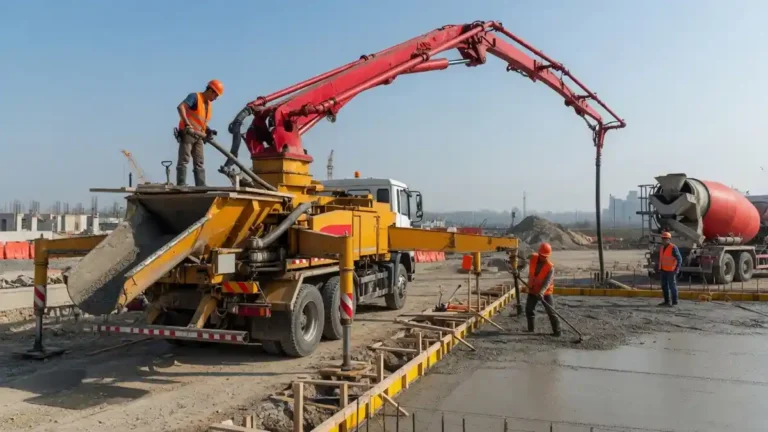
- Precast Concrete: Our factory-controlled segments deliver consistent strength for high-pressure conditions.
- Structural Framing: We engineer framing that distributes load and resists deformation.
- Formwork Systems: Our precise formwork produces true, round components that hold their shape under stress.
Common Mistakes to Avoid
- Ignoring early deformation — ovalization is a warning, not a cosmetic issue.
- Relying on one soil survey — ground changes across a route and with depth.
- Skipping real-time monitoring — periodic checks miss fast-moving failures.
- Underspecifying rings for fault zones — seismic areas demand stronger design.
Veterans Oppose Arlington Arch Construction
FAQ
Why did the Wilmington tunnel collapse?
The wilmington tunnel collapsed under high ground pressure that squeezed and cracked its segment rings. The failure struck 370 feet deep in July 2025.
Was anyone hurt when the tunnel collapsed?
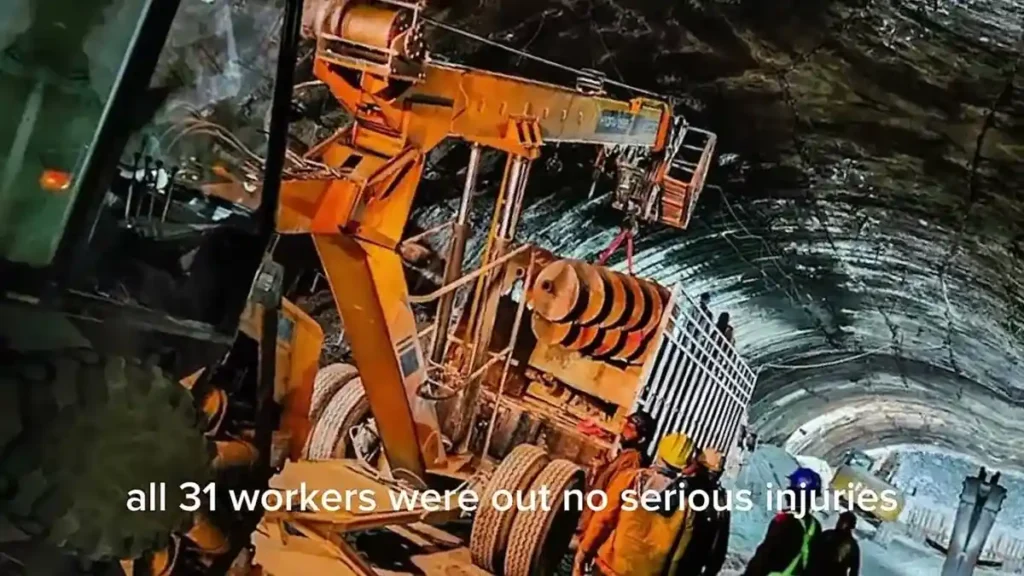
No. All 27 workers escaped by climbing over loose soil to the only entrance five miles away.
Could the Wilmington tunnel collapse have been prevented?
Squeezing appeared in February, months before the breach. Stronger monitoring and mitigation may have changed the outcome.
What is segment ring ovalization?
Ovalization is when a round tunnel ring flattens into an oval under load. It signals dangerous stress before cracking begins.
Does this affect Midwest tunnel projects?
Yes. The same ground-pressure principles apply to underground work in Iowa and Wisconsin soils.
Final Thought
The wilmington tunnel collapsed because warning signs went unanswered — a lesson every underground team should carry forward. Strong ground modeling, precast segments, and real-time monitoring turn risk into control.
Midwest Precast Contractor delivers Precast Concrete, Structural Framing, and Formwork Systems built for durability across Des Moines, Milwaukee, Ankeny, and West Des Moines.