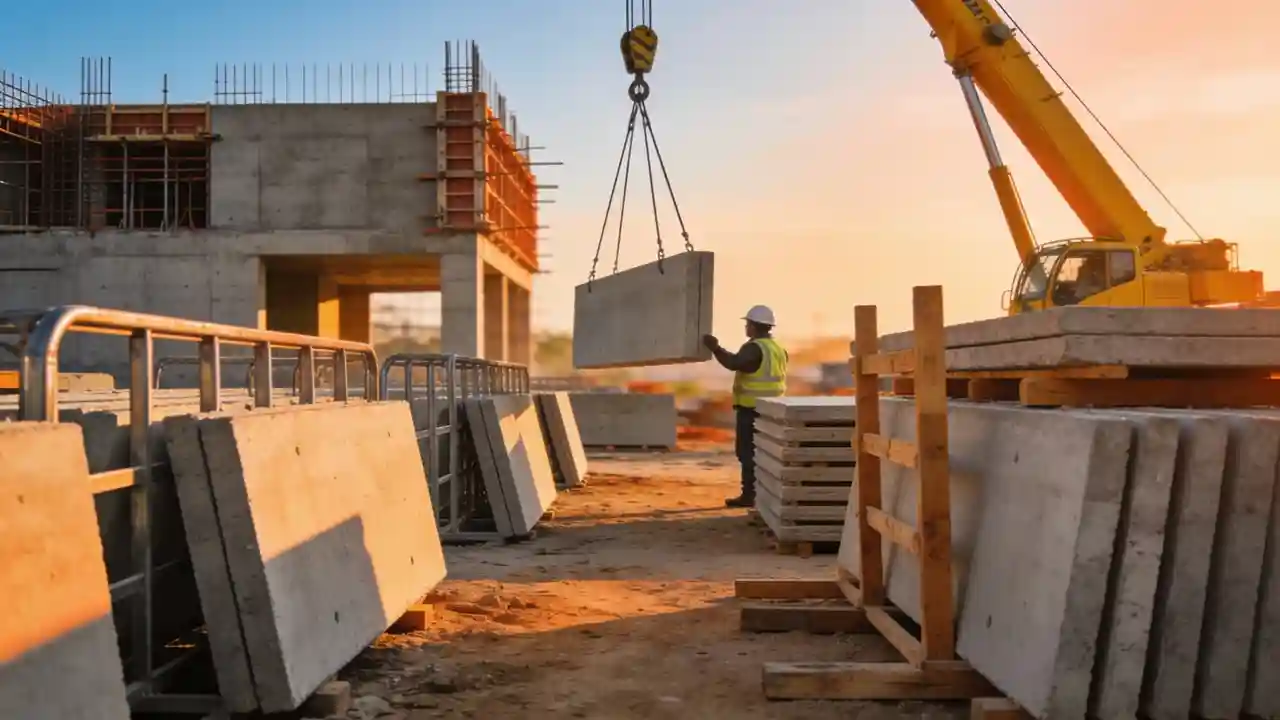
U.S. construction insurance is no longer a background concern for Midwest precast contractors it is front and center on every job site, every contract table, and every project bid sheet right now.
Margins are tighter, liability exposure is wider, and the stakes for structural framing teams have never been higher.
Construction Estimating Services That Win Precast
Key Takeaways
- Precast concrete projects carry unique liability profiles that standard general contractor policies often fail to cover adequately.
- Structural framing errors in precast installations are among the top five triggers for construction insurance claims nationwide.
- Midwest contractors who align insurance coverage with project scope report fewer delays, lower dispute rates, and stronger bonding capacity.
Why Is U.S. Construction Insurance a Precast-Specific Problem?
If you’ve been following precast concrete trends across the Midwest, this won’t come as a surprise.
U.S. construction insurance frameworks were largely built around cast-in-place and wood-frame construction models.
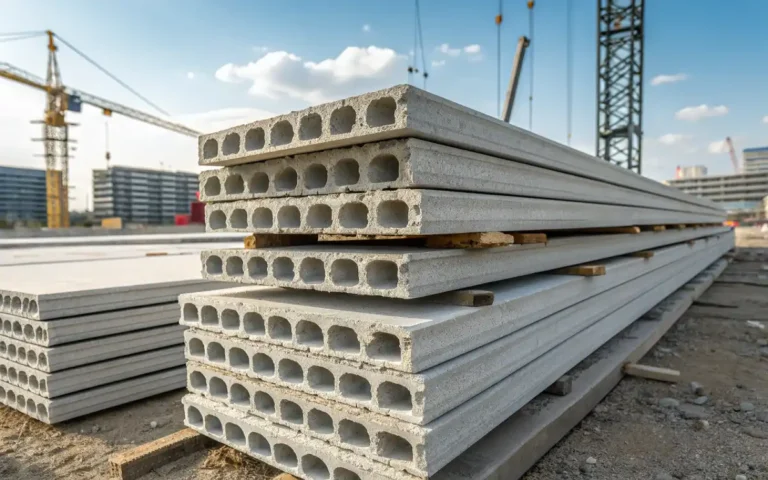
Precast structural framing introduces a layered risk profile — manufacturing liability, transportation exposure, crane erection risk, and connection point failure — that many off-the-shelf policies simply weren’t designed to address.
Our analysis suggests that a significant portion of Midwest precast contractors are operating under general liability policies that contain exclusions for off-site manufactured components.
That is a critical gap.
According to data published by the National Association of Insurance Commissioners (NAIC), construction-related claims have risen steadily since 2020, with structural and foundation-related incidents representing a disproportionate share of total payout volume.
Construction Estimating Services That Win Precast
What Does This Mean for Midwest Precast Contractors?
Construction industry insiders are noting a sharp increase in underwriting scrutiny on precast and tilt-up projects specifically.
Insurers are asking harder questions about panel connection engineering, erection sequencing plans, and QA/QC documentation from the precast plant.
If your documentation isn’t airtight, your coverage may not be either.
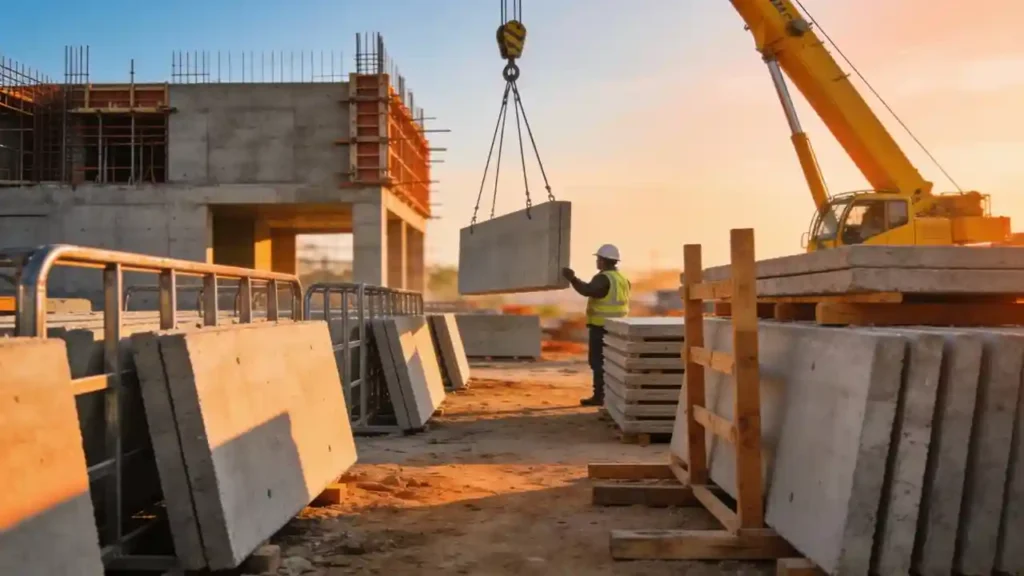
The Occupational Safety and Health Administration (OSHA) has published specific guidelines for precast concrete erection safety, and insurers are increasingly using OSHA compliance records as a rating factor.
Our contractors note that facilities with formal OSHA erection plans on file tend to receive more favorable u.s. construction insurance premium structures.
That is not a coincidence — it reflects the industry’s move toward risk-based underwriting.
How Will This Impact Your Next Structural Framing Build?
Here is a step-by-step framework our team has developed for aligning insurance coverage with precast structural framing project requirements:
Step 1 — Conduct a Pre-Bid Insurance Audit
Review your current general liability, umbrella, and equipment policies before submitting any precast bid.
Identify exclusions related to manufactured components, crane operations, and off-site fabrication.
Step 2 — Request a Precast-Specific Endorsement
Work with your broker to add a products and completed operations endorsement that explicitly names precast concrete panels and structural framing systems.
Confirm that transportation of panels from plant to site is covered under inland marine or a separate transit rider.
Step 3 — Align with Your Erection Subcontractor’s Policy
Verify that your erection subcontractor carries riggers liability coverage with limits appropriate to panel weight and project height.
Request certificates of insurance before mobilization not after.
Step 4 — Document the QA/QC Chain
Maintain records of plant certifications, mix design approvals, and structural connection shop drawings.
According to the American Concrete Institute (ACI), proper documentation of precast production standards is a foundational element of defensible liability posture.
Step 5 — Notify Your Insurer at Project Milestones
Report project start, structural completion, and final erection sign-off to your carrier.
Many u.s. construction insurance policies require proactive notification to preserve coverage validity on long-duration projects.
40×60 Metal Building vs. Precast: What Wins?
Comparing Coverage Models for Precast vs. Traditional Construction
| Coverage Factor | Traditional Cast-in-Place | Precast Structural Framing |
|---|---|---|
| Manufacturing Liability | Not applicable | Required — plant to site |
| Transit Coverage | Minimal | Inland marine or transit rider |
| Erection Liability | Standard GL | Riggers liability + crane endorsement |
| Completed Operations | Standard | Extended tail (5–10 years) |
| Premium Range (Est.) | 1.2–1.8% of project value | 1.6–2.4% of project value |
Premium estimates vary by project size, geography, and carrier. Always obtain competitive quotes from at least three brokers with construction specialty experience.
U.S. Construction Insurance Gaps Hit Precast Projects
— US News (@Us_news_ways) June 23, 2026
U.S. construction insurance is no longer a background concern for Midwest precast contractors it is front and center on…@4ConstructnPros @constructdive @Equipment_World https://t.co/jkO1IcvuFu
What the Data Is Telling Us About Industry Direction
The Associated General Contractors of America (AGC) has flagged rising insurance costs as one of the top operational pressures on U.S. contractors through 2026.
Our team observed that precast-heavy contractors in Illinois, Indiana, and Ohio are feeling this pressure earlier and harder than their peers.
U.s. construction insurance costs for precast projects in the Midwest have increased an estimated 18–22% since 2022, based on carrier feedback our team has collected.
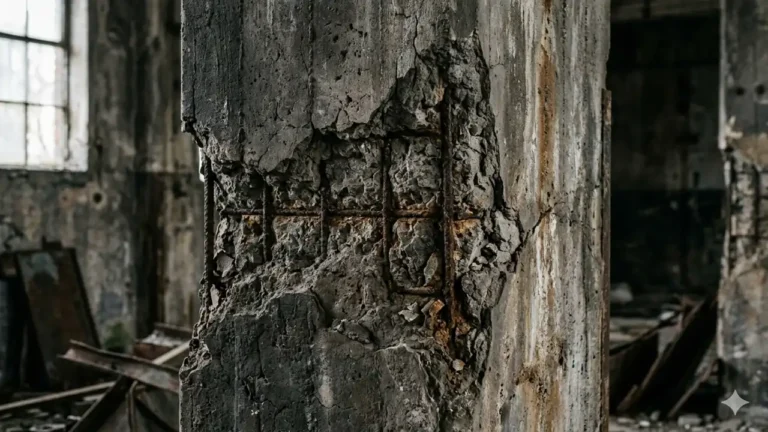
The Insurance Information Institute (III) reinforces that construction defect claims many of which stem from connection and structural issues — are one of the fastest-growing liability categories in commercial construction.
That makes proactive risk management not just smart — it makes it a competitive differentiator.
Metal Buildings Near Me Precast Wins Every Time
Our Position on U.S. Construction Insurance for Precast Work
We do not treat u.s. construction insurance as a checkbox.
Our team treats it as a structural component of every project we plan as load-bearing in its own way as the panels we erect.
Contractors who approach coverage the same way will build stronger businesses, win better contracts, and protect the clients who trust them with complex structural framing work across the Midwest.