
Modern high-performance building requires precision when integrating heavy components.
Effective tie rod construction serves as the backbone for structural integrity in massive precast projects.
We prioritize these elements to ensure that lateral loads are handled with absolute technical rigor.
Without robust reinforcement, even the most advanced architectural designs risk long-term fatigue.
- Tie rod construction provides essential tensile strength to anchor heavy precast panels.
- Integrating these systems significantly reduces the risk of structural shear during seismic events.
- Correct installation methods can shorten project timelines by streamlining wall alignment processes.
Commercial Floor Care Services
Why is structural alignment critical for Midwest contractors?
If you have been following precast concrete trends across the Midwest, this won’t come as a surprise.
The shift toward pre-engineered systems has made site assembly faster but also more demanding regarding structural tolerances.
Our analysis suggests that the precision of your hardware determines the lifespan of the entire assembly.
Construction industry insiders are noting that failing to account for load paths often leads to costly rework.
According to the latest technical bulletins from the American Concrete Institute, the shift in structural connectivity is accelerating faster than predicted.
When we manage tie rod construction in high-load areas, we avoid the structural instability that plagues inferior site practices.
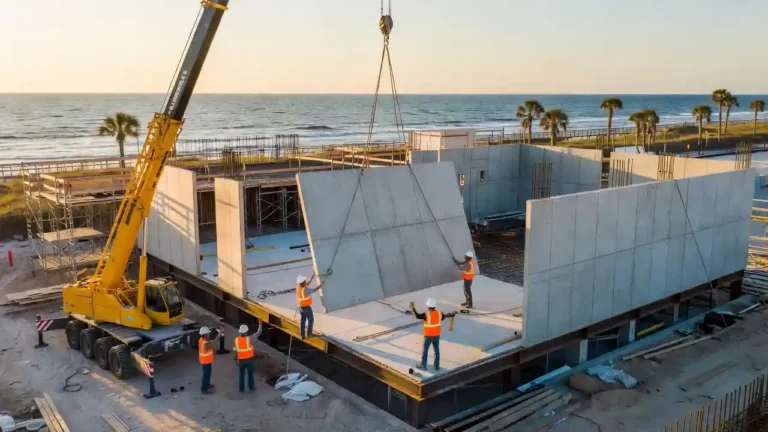
We often use these components to bridge the gap between foundation footings and vertical panels.
This creates a continuous load path that the National Institute of Standards and Technology identifies as vital for structural resilience.
Contact Cement Precast Concrete Framing
What are the key performance metrics for hardware?
Selecting the right grade of steel is just as important as the placement itself.
We categorize these components based on their tensile strength and corrosion resistance profiles.
If your project is located in harsh climates, you must prioritize materials that exceed standard weathering requirements.
| Component Type | Material Grade | Typical Load Capacity | Best Use Case |
| Carbon Steel Rod | ASTM A36 | High (Standard) | Interior structural bracing |
| Stainless Steel Rod | Grade 304/316 | High (Corrosive) | Exterior precast anchoring |
| Threaded Bar | ASTM A193 B7 | Very High | Heavy-duty framing ties |

How do we execute precision installation on site?
Proper tie rod construction requires a disciplined approach to prevent misalignment during the concrete pour.
Our team follows a strict sequence to ensure that the hardware remains perfectly vertical and properly tensioned.
Follow these steps to maintain high standards on your next job site.
- Survey the foundation footprint to verify exact anchor bolt locations.
- Install the tie rod construction assembly, ensuring the rod is plumb within a 1/16-inch tolerance.
- Secure the base plate to the slab using high-strength epoxy or mechanical expansion anchors.
- Verify the torque specifications against the project engineering plans before proceeding.
- Inspect the connection points for any debris that could impede the seating of the precast panel.
Cement mixer mixer Precast Concrete Precision
How will this impact your next build?
We observe that many contractors rush the anchoring phase to meet aggressive schedules.
This is a mistake that compromises the safety of the structure.
Proper tie rod construction allows for better load distribution across the entire frame.
When the vertical members are secured correctly, they act in unison to resist wind and gravity loads.
Studies published by the American Society of Civil Engineers suggest that systematic hardware checking reduces failures by over 40% during the first year.
We find that investing time in the setup phase is the only way to avoid the financial headache of onsite modifications.
Are you prepared for modern structural demands?
The demand for taller, more slender precast structures continues to rise across the region.
This evolution requires us to rethink our approach to traditional bracing methods.
We must treat tie rod construction as a sophisticated engineering discipline rather than a simple hardware task.
By focusing on the structural framing integrity from the start, we ensure long-term client satisfaction.
Research from the Precast/Prestressed Concrete Institute reinforces that connection details remain the primary point of failure in modern assembly.
Our team emphasizes that tie rod construction is not merely about holding a panel in place.
It is about creating a holistic connection that works with the physics of the building.
As we look ahead, mastering these details will distinguish top-tier builders from the rest of the market.