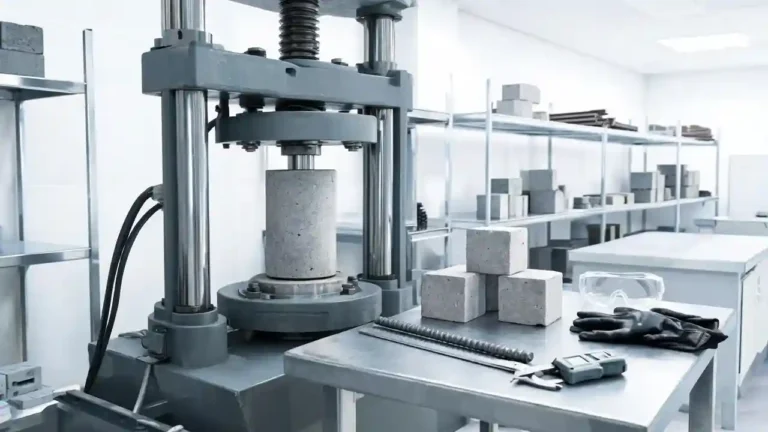

While specialized industrial epoxies and polyurethanes typically dominate structural applications, contact cement often plays a specific, albeit limited, role in auxiliary site preparations.
Our team observes that while contact cement is excellent for thin-layer bonding, choosing the wrong adhesive for load-bearing structural framing can lead to catastrophic bond failure.
Road Construction Equipment Future-Proofing Builds
Key Takeaways for Your Project
- Structural Limits: Traditional contact cement is designed for non-structural surfaces; always consult an engineer for load-bearing precast concrete connections.
- Surface Integrity: Successful bonding relies heavily on substrate cleanliness, requiring the removal of all laitance and contaminants before applying any adhesive.
- Material Selection: Industry standards favor high-strength epoxies or polyurethane flexible joints over standard contact cement for connecting large-format concrete components.
What does this mean for Midwest contractors?
Construction industry insiders are noting a shift toward more sophisticated bonding technologies to replace traditional mechanical fasteners in non-load-bearing enclosures.
If you’ve been relying on contact cement for heavy-duty assembly, our analysis suggests it is time to re-evaluate your technical specifications.
The precast concrete market is moving toward high-performance polymers that offer better thermal expansion compensation than solvent-based adhesives.
When we look at modern structural framing, the focus is on durability and long-term environmental resistance.
According to research on industrial adhesives, the operating temperature and stress profile of the application are the most critical variables for long-term joint survival.
Trading Community Architecture Architectural Precast
How do we select the right bond for concrete?
When deciding between adhesives, we must consider the mechanical properties of the substrate.
Contact cement lacks the gap-filling and structural load-transfer capabilities required for most precast concrete installations.
Our contractors note that using a product meant for cabinetry or flooring on a primary structural wall can compromise the building envelope.
| Adhesive Type | Typical Use Case | Load-Bearing Capacity |
| Contact Cement | Laminates, trim, light fixtures | Low (non-structural) |
| Epoxy Resin | Steel-to-concrete rebar anchoring | High (structural) |
| Polyurethane | Flexible bridge/enclosure joints | Moderate to High |
Site Installation Steps for Adhesive Bonds
To ensure the longevity of any adhesive bond applied to precast concrete, follow these field-tested procedures:
- Preparation: Grind or sandblast the concrete surface to reach sound, porous material, ensuring it is free of dust and laitance.
- Cleaning: Use appropriate solvents or air-blast equipment to remove all fine particulates that would inhibit adhesion.
- Application: Apply the adhesive in continuous beads rather than full-surface coatings to allow for proper curing and moisture escape.
- Curing: Maintain ambient temperatures between 5°C and 40°C, and provide temporary mechanical support until the bond reaches its required strength.
Construction Accident Attorney Safety Guide

Will contact cement impact your next build?
We frequently see teams tempted by the fast-tack nature of contact cement for speed.
However, in our cold-climate region, the freeze-thaw cycle often exposes the weaknesses of low-grade adhesives.
If you are planning an architectural build, ensure your project documents specify the correct grade of adhesive, as contact cement rarely meets the high-performance requirements for exterior enclosures.
Our analysis suggests that investing in specialized epoxy or polyurethane systems significantly reduces maintenance costs over the life of the structure.
Ultimately, the longevity of your structural framing depends on choosing a bond that can handle the specific thermal and load stresses of the Midwest climate.