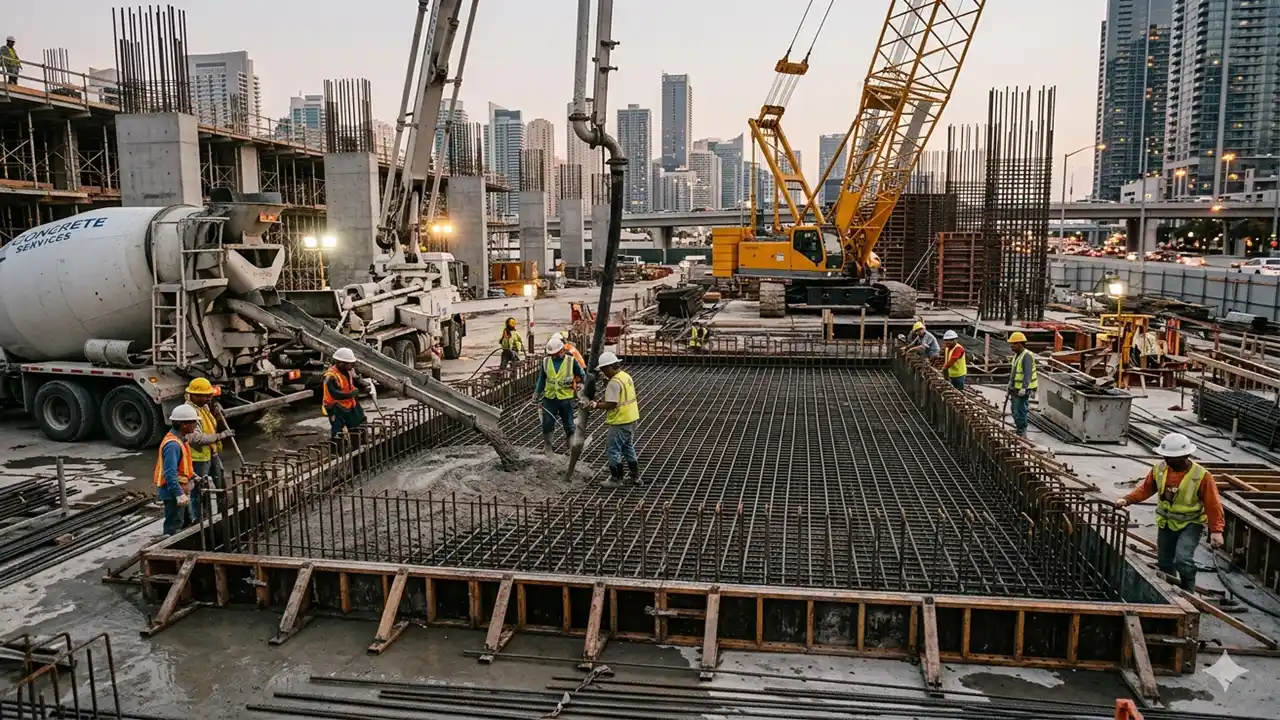
If you are entering the construction field, planning to build your dream home, or studying civil engineering, understanding the rcc full form is your first essential step.
In this comprehensive guide, we will break down the true meaning of the rcc full form, look into its core components, explore why it is indispensable in modern building projects, and answer the most common questions about its practical usage.
United Equipment Rentals: The Construction Fleet Optimization
What is the RCC Full Form in Construction?
The rcc full form stands for Reinforced Cement Concrete. It is a specialized composite building material designed to combine the unique strengths of two distinct elements: concrete and steel reinforcement bars (commonly called rebars).
While plain cement concrete is incredibly strong under compression (pushing forces), it is surprisingly weak under tension (pulling or stretching forces). To prevent a building from cracking or collapsing when stretched, engineers embed high-strength steel bars inside the concrete matrix.
By understanding the rcc full form, you get a clear picture of how modern engineering solves structural vulnerability. This strategic union creates a material capable of handling all types of structural stress, making it the backbone of global infrastructure.
The Core Components of Reinforced Cement Concrete
To fully appreciate the mechanism behind the rcc full form, it is important to analyze the individual materials that make up this structural powerhouse. Each component plays a vital role in ensuring the longevity of a build.
1. The Concrete Matrix (The Body)
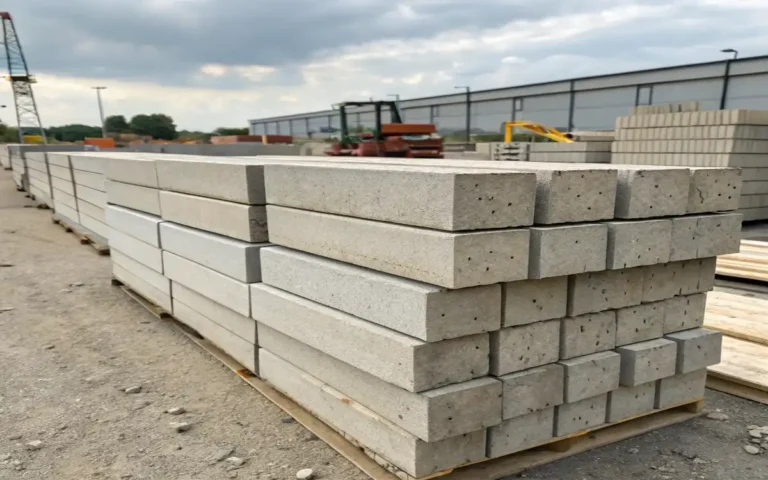
Concrete itself is a precise mixture of cement, fine aggregates (sand), coarse aggregates (gravel or crushed stone), and water. As the cement hydrates, it binds the aggregates into a rock-hard mass. This matrix provides excellent compressive strength and fireside protection for the inner steel.
2. Steel Reinforcement (The Bones)
Steel rebars are placed inside the formwork before the liquid concrete is poured. Steel is chosen because its coefficient of thermal expansion is nearly identical to that of concrete. This means they expand and contract at the same rate when weather temperatures change, preventing internal cracking.
Why is RCC Essential? Compression vs. Tension Explained
To understand why the industry relies so heavily on the rcc full form, we have to look at structural mechanics. Plain concrete can easily support the downward weight of heavy roofs and floors. However, when subjected to lateral loads—like heavy winds, earthquakes, or moving vehicles—the material experiences bending.
Bobcat Skid Steer Guide to Versatility and Power
The Structural Problem: When a beam bends, the top half undergoes compression while the bottom half experiences intense tension. Plain concrete will snap instantly on the tension side.
By placing steel rebars exactly where those pulling forces occur, Reinforced Cement Concrete bridges the gap. According to structural guidelines maintained by organizations like the American Concrete Institute, this composite action ensures that structural elements fail gracefully rather than catastrophically, giving occupants plenty of warning if a structure is overloaded (American Concrete Institute, 2019).
Key Advantages of Using RCC in Modern Building
The global popularity of the rcc full form is rooted in its incredible versatility and reliability. When properly mixed and installed, it offers distinct benefits over alternative building mediums like timber or structural steel alone.
| Advantage | Practical Benefit |
| High Durability | RCC structures can last for over a century with minimal maintenance. |
| Excellent Moldability | While liquid, it can be poured into complex architectural forms, arches, and custom shapes. |
| Fire Resistance | Concrete acts as a natural insulator, protecting internal steel from warping during fires. |
| Cost-Efficiency | The raw materials (sand, gravel, water) are widely available locally, lowering transport costs. |
Furthermore, modern research published by the Multidisciplinary Digital Publishing Institute (MDPI) highlights that optimizing concrete slab configurations can significantly reduce the embodied carbon footprint of large-scale infrastructure projects, making modern RCC systems highly adaptable to green building initiatives (MDPI, 2025).
Common Applications of RCC in Engineering
Look around, and you will see the rcc full form brought to life in almost every piece of civil infrastructure. Its high load-bearing capacity makes it the default choice for major engineering feats.
Residential and Commercial Buildings
From individual home foundations to high-rise commercial structures, RCC forms the foundational framework. Columns, beams, slabs, and staircases are cast together to create a monolithic, highly stable skeleton.
Bridges, Dams, and Heavy Infrastructure
Bridges experience constant dynamic loads from passing traffic. The steel network within the Reinforced Cement Concrete handles these shifting stresses perfectly. Similarly, massive water containment systems like dams rely on the immense mass and strength of RCC to withstand immense hydraulic pressure.
Rhreporting.nic.in 2020-21 new list odisha
Maintenance and Common Pain Points of RCC Structures
While Reinforced Cement Concrete is exceptionally tough, it is not entirely indestructible. Long-term exposure to harsh environments can lead to specific structural issues that require timely remediation.
The Threat of Rebar Corrosion
If moisture or airborne chemicals penetrate the outer concrete layer, the internal steel rebars can begin to rust. As steel rusts, it expands up to six times its original volume. This internal pressure causes the surrounding concrete to crack and break away—a damaging process known as spalling.
Preventive Measures
To ensure the rcc full form delivers on its promise of lifelong durability, builders must use high-quality concrete mixes, maintain an adequate “concrete cover” (the depth of concrete protecting the steel), and implement proper waterproofing membranes in areas prone to dampness.
EY Coral Building Bagmane World Technology Center
Conclusion: Building the Future with Certainty
Understanding the rcc full form Reinforced Cement Concrete unveils the brilliant engineering logic that keeps our modern world standing securely. By pairing the crushing resistance of concrete with the flexible elasticity of steel, RCC remains an irreplaceable asset to global civil engineering.