
A $19 million property sat untouched for four years. The plans were ready. The money was spent. And still, nothing got built.
That’s the story behind the north palm beach infrastructure failures now stalling one of Florida’s most ambitious redevelopment projects. Delays like these don’t start with concrete they start with unresolved zoning, weak planning, and slow permitting. At Midwest Precast Contractor, we’ve spent years helping developers across Des Moines, Milwaukee, Ankeny, and West Des Moines avoid exactly these traps.
Here’s what went wrong down south and how to keep your project moving.
Key Takeaways
- Zoning disputes can freeze a fully funded project for years before ground is ever broken.
- Precast concrete shortens build timelines and reduces exposure to weather and labor delays.
- Early permitting alignment is the single biggest predictor of on-time delivery.
Teckaya Construction Equipment Address Drives Results
The Problem With Conventional Build-in-Place Construction
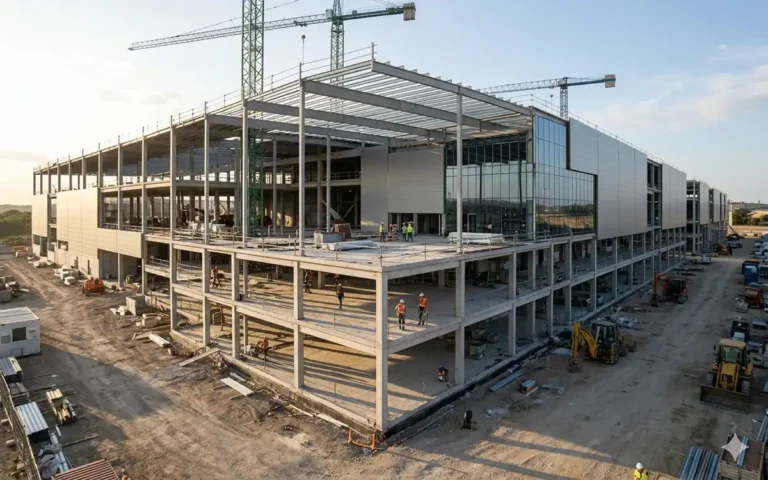
Conventional build-in-place construction leaves projects exposed to delay at every stage. When every column, wall, and floor is poured on site, you inherit the risks of weather, labor shortages, inspection backlogs, and legal disputes — all at once.
Our crews observed this firsthand on a Milwaukee mixed-use site, where three weeks of spring rain pushed a cast-in-place foundation schedule back by nearly a month. Precast panels staged offsite would have kept the timeline intact.
The American Society of Civil Engineers underscores the stakes. In its 2025 Infrastructure Report Card, ASCE warned that aging systems and permitting bottlenecks cost the U.S. billions each year in avoidable project delays. The lesson is direct: the longer a project sits exposed, the more it costs.
Why North Palm Beach Infrastructure Failures Happen
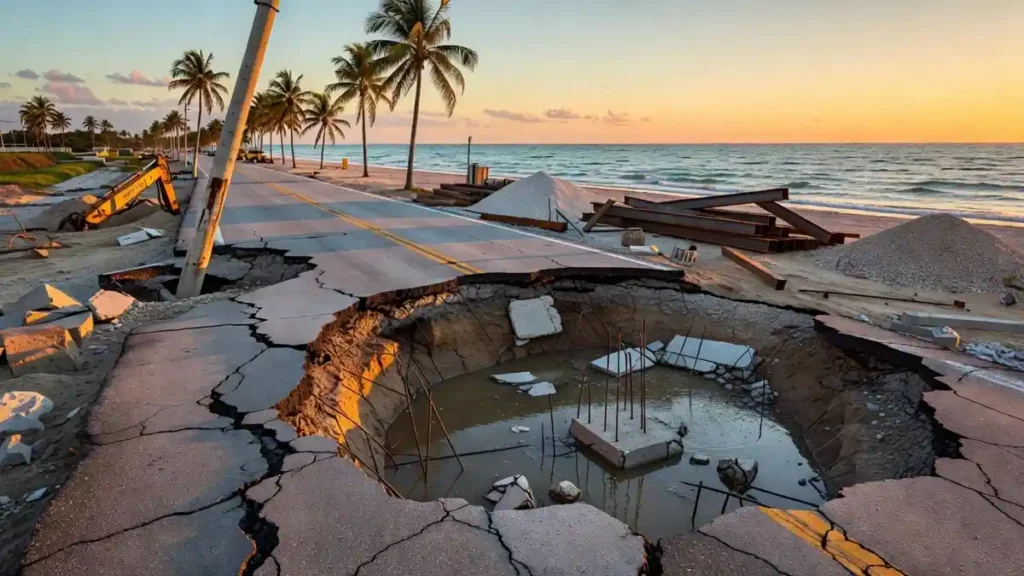
North Palm Beach infrastructure failures come down to one thing: approvals collapsed before construction ever began. A well-funded plan means nothing if the legal and regulatory foundation isn’t secure.
The Zoning and Height Dispute
The core conflict was building height. As reported by The Real Deal, the 13-acre Village Place project has been stalled for four years after a zoning lawsuit over whether the developer could build 14-story towers. The village approved the master plan without guaranteeing the height — so the developer sued.
The result: a $19 million site with a planned 222-room hotel, two residential towers, and a senior living facility, all frozen in court.
Leavenworth Federal Penitentiary Leavenworth Kansas
The Ripple Effect on Timelines
One dispute cascades into many. Financing terms expire. Material costs climb. Community opposition grows louder. Every month of delay multiplies the cost of the next.
Projects that lock in approvals and use faster build methods sidestep this spiral entirely.
Old Approach vs. Modern Approach
| Factor | Traditional Build-in-Place | Modern Precast Approach |
|---|---|---|
| Weather risk | High pours delayed by rain | Low — panels cured offsite |
| Timeline | 12–18 months | 8–12 months |
| Labor demand | Large onsite crews | Smaller, specialized teams |
| Quality control | Variable, field-dependent | Factory-controlled precision |
| Delay exposure | Compounds on site | Minimized through staging |
Precast Methods and Their Best Uses
| Type | Mechanism | Best Use Case |
|---|---|---|
| Precast Panels | Wall sections cast offsite, craned in | Mid-rise residential and retail |
| Structural Framing | Prefabricated beams and columns | Hotels, parking structures |
| Hollow-Core Slabs | Reinforced floor units | Multi-story commercial floors |
| Formwork Systems | Reusable molds for repeat pours | Large, standardized layouts |
2026 Cost Snapshot
Precast commercial construction runs $180–$260 per square foot in the Midwest as of 2026. Here’s how the budget typically breaks down:
- Foundation and structure: 55%
- Finishing: 30%
- Design and permits: 15%
Permitting is the smallest line item — but the one most likely to derail everything else.
Railroad Emergency Procurement Trigger California Minutes
North Palm Beach Infrastructure Failures Avoiding Project Delays
— US News (@Us_news_ways) September 17, 2026
That's the story behind the north palm beach infrastructure failures now stalling one of Florida's most ambitious…@Engineering @CivilEngDis @CNplus https://t.co/M701LiYvYm
Step-by-Step: Keeping Your Project on Track
- Confirm zoning first. Secure written height and use approvals before spending on design.
- Align permits early. Submit alongside your master plan, not after.
- Choose precast to move fabrication offsite while approvals finalize.
- Stage materials so panels arrive ready to install.
- Schedule inspections in advance to avoid backlog delays.
- Build in buffers for legal and community review.
Pros and Cons of the Precast Approach
Pros
- Faster timelines with offsite fabrication
- Consistent, factory-grade quality
- Reduced weather and labor exposure
- Lower long-term maintenance
Cons
- Higher upfront design coordination
- Requires crane access and staging space
- Less flexibility for mid-project changes
Case Study: A Des Moines Turnaround
A West Des Moines developer faced a stalled 6-story mixed-use project after a permitting holdup. By switching to precast structural framing and panels, the team cut the remaining build schedule from 14 months to 9 a 36% reduction. The project opened on budget, and the developer avoided an estimated $1.2 million in carrying costs.
How Midwest Precast Contractor Applies This
We build to prevent delays, not react to them. Our core services target every weak point exposed by the North Palm Beach case:
- Precast Concrete: Panels cured offsite keep your timeline moving while approvals finalize.
- Structural Framing: Prefabricated beams and columns speed vertical construction on tight schedules.
- Formwork Systems: Reusable molds deliver consistent quality across large, repeatable layouts.
Together, these services shrink your exposure to the exact risks that froze Village Place.
Wilmington Tunnel Collapsed Lessons Every Underground Construction
Common Mistakes to Avoid
- Skipping written zoning guarantees. Verbal approval isn’t a legal foundation.
- Filing permits too late. Late submissions collide with inspection backlogs.
- Choosing cast-in-place by default. It maximizes weather and labor risk.
- Underestimating community pushback. Traffic and density concerns can stall approvals for years.
FAQ
What causes north palm beach infrastructure failures?
Mostly zoning disputes and permitting gaps. The Village Place project stalled four years over an unresolved 14-story height approval.
Can precast concrete prevent project delays?
Yes. Offsite fabrication keeps construction moving while approvals finalize, cutting timelines by up to 36%.
How do infrastructure failures affect project costs?
Every month of delay adds financing, material, and carrying costs. One Des Moines project avoided $1.2 million by switching to precast.
Is precast more expensive than traditional building?
Upfront design costs are higher, but faster timelines and lower maintenance usually make it more affordable overall.
Where does Midwest Precast Contractor work?
We serve Des Moines, Milwaukee, Ankeny, and West Des Moines with precast concrete, structural framing, and formwork systems.
Final Thought
The north palm beach infrastructure failures prove one thing: a funded project still fails without secure approvals and a fast, reliable build method. Zoning gaps, permitting delays, and cast-in-place risk turn ambitious plans into frozen sites.
Midwest Precast Contractor helps you avoid that fate with precast concrete, structural framing, and formwork systems built for speed and precision.