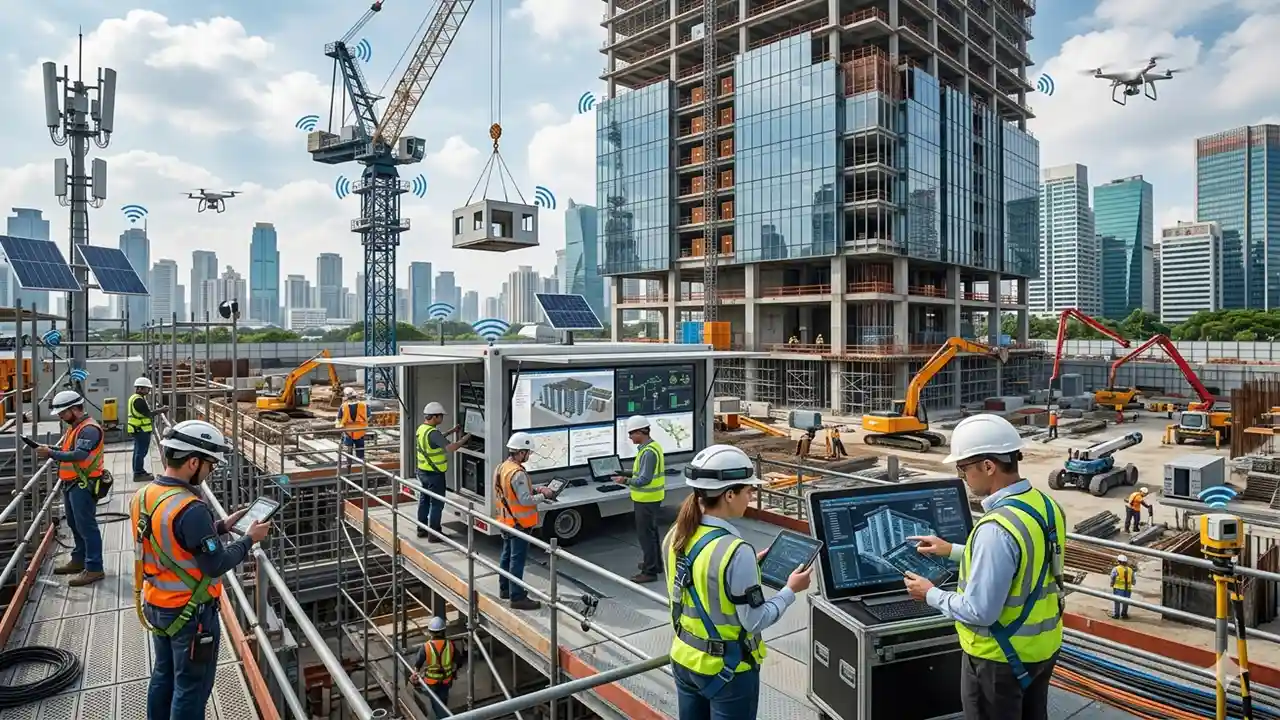
The skyline of the 21st century is changing, but not just in height or aesthetic. The real revolution is happening beneath the concrete and behind the glass. Modern construction is no longer about standing isolated structures; it is about building connected ecosystems that talk to each other, the environment, and the people who inhabit them.
What Does Building Connected Actually Mean in Modern Construction?
In the traditional sense, a building was a static object. Today, the industry has pivoted toward a dynamic model. Building connected environments refers to the integration of digital technology such as the Internet of Things (IoT), Building Information Modeling (BIM), and smart sensors into the physical fabric of a structure.
According to a recent analysis by the International Energy Agency (IEA), digitalizing the buildings sector could reduce energy use by as much as 10% by 2040. This connectivity allows a facility to monitor its own health, regulate temperature based on occupancy, and even predict when a lift or HVAC system might fail before it actually does.
Buc ee’s Monroe County construction Approval in Monroe County – Construction Begins
The Core Pillars of Connected Construction
- Interoperability: Different systems (lighting, security, plumbing) working on a single interface.
- Data Transparency: Real-time access to site progress for stakeholders.
- Human-Centric Design: Creating spaces that adapt to the physiological and psychological needs of users.
The Role of IoT and Smart Sensors in Building Connected Infrastructure
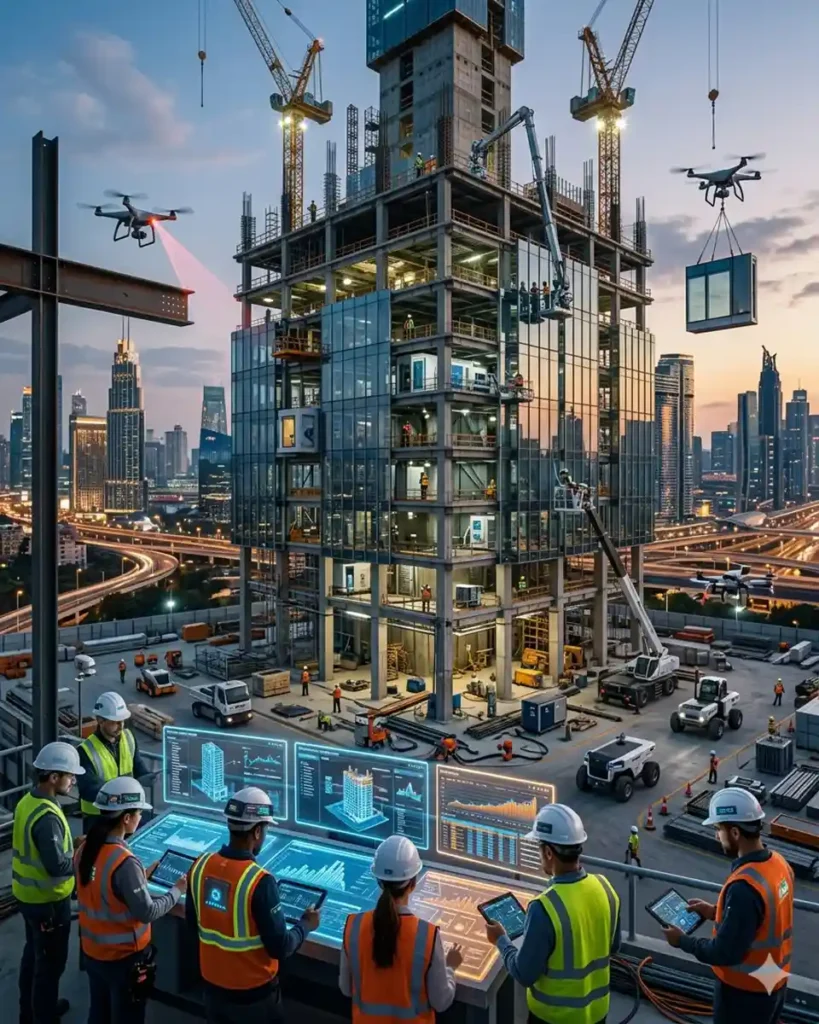
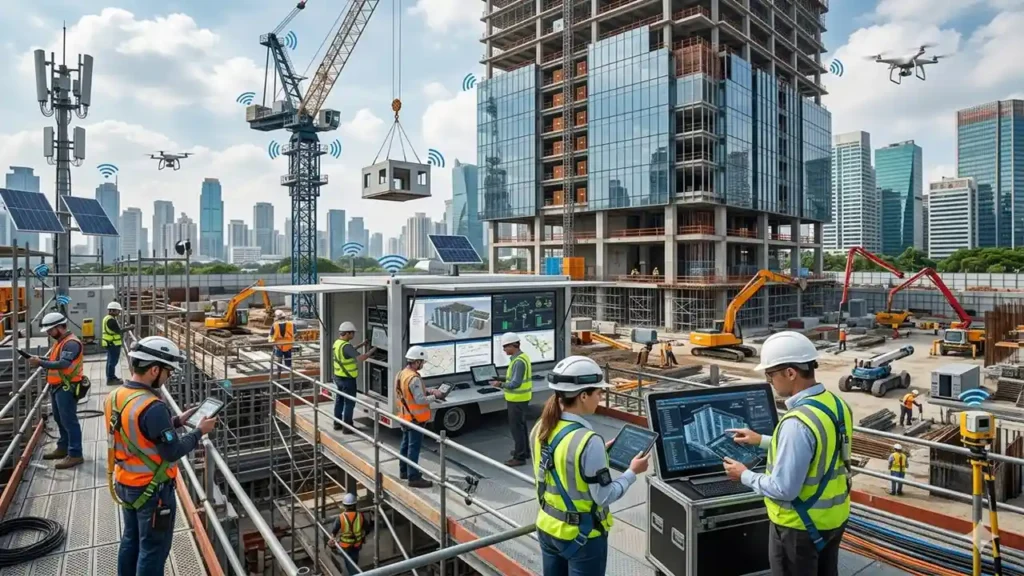
At the heart of any “smart” project is the hardware. IoT devices act as the nervous system of a modern site. By building connected sensor networks, contractors can track everything from the curing temperature of concrete to the location of high-value assets on a job site.
Enhancing Site Safety
Safety is the most critical application of this tech. Wearable devices can monitor a worker’s vitals or alert them if they enter a “red zone” where heavy machinery is operating. When every element of a site is linked, the risk of human error significantly decreases.
Predictive Maintenance
Imagine a skyscraper that tells you it has a leak before a single drop of water hits the floor. By building connected plumbing and electrical grids, property managers receive alerts for “anomalous behavior,” allowing for repairs that cost a fraction of emergency interventions.
Building Materials News: 2026 Trends and Market Insights
How BIM is Revolutionizing Collaborative Design
Building Information Modeling (BIM) is the digital twin of a physical structure. It is the roadmap for building connected projects from the ground up. Instead of 2D blueprints, architects and engineers use 3D models rich with data.
Featured Snippet: How does connected construction improve efficiency? Connected construction improves efficiency by using real-time data sharing through BIM and IoT. This reduces “rework” by identifying design clashes before construction begins, optimizes supply chains, and ensures all stakeholders are working from a single, updated digital source.
The National Institute of Building Sciences emphasizes that the use of BIM leads to better-informed decision-making throughout the life cycle of a building. When everyone from the architect to the electrician is building connected via a shared digital model, the “silo effect” vanishes.
Sustainability Through Integrated Systems
The construction industry is responsible for nearly 40% of global carbon emissions. The path to “Net Zero” relies heavily on building connected energy management systems.
Smart Grids and Renewable Integration
A connected building doesn’t just consume energy; it manages it. Smart windows can tint themselves to reduce solar heat gain, while integrated battery systems store solar energy collected during the day to power the building at night.
World of Concrete 2025: Shaping the Future of the Construction Industry
Waste Reduction
By using precision data during the design phase, firms can order exact material quantities, drastically reducing the physical waste sent to landfills. As noted in research published by Nature Communications, the optimization of structural materials through digital design is a key lever in climate change mitigation within the built environment.
Overcoming Challenges in the Shift to Connected Construction
While the benefits are clear, the transition isn’t without its hurdles. Many firms struggle with the initial cost of technology and the need for a specialized workforce.
Data Privacy and Cybersecurity
As we move toward building connected cities, the risk of cyber-attacks increases. Protecting a building’s data is now as important as locking its front door. Developers must invest in robust encryption and secure cloud platforms to ensure that smart systems aren’t exploited.
The Skills Gap
The industry needs a new generation of workers who are as comfortable with a tablet as they are with a hammer. Training programs are currently pivoting to include data literacy and software management as core construction skills.
Micro Concrete Flooring: The Ultimate Guide to Modern Seamless Surfaces
Real-World Examples: Success Stories in Connectivity
Throughout the world, “The Edge” in Amsterdam is often cited as the smartest office building ever constructed. It uses a massive network of sensors to ensure that no space is lit or heated if it isn’t being used. Employees use a smartphone app to find parking, locate colleagues, and even adjust their desk lighting.
Closer to home, many residential developers are building connected communities where smart streetlights monitor air quality and traffic flow, creating a safer and healthier environment for families. According to reports from The Verge, the integration of Matter (the new smart home standard) is making it easier than ever for different devices to communicate, regardless of the manufacturer.
Common Questions About Connected Buildings
Is building connected only for large commercial projects? No. While large-scale projects often lead the way, the technology is scaling down. “Smart homes” are essentially micro-versions of connected construction, utilizing many of the same principles of integration and automation.
Does connectivity make construction more expensive? Initially, yes. The upfront cost for sensors and software is higher. However, the long-term ROI (Return on Investment) is significantly higher due to reduced energy bills, lower insurance premiums, and fewer maintenance emergencies.
Understanding the Slump Value of Concrete: A Complete Guide to Workability
Final: Designing a Linked Future
The era of the “dumb” building is coming to an end. By building connected structures, we are creating a world that is more efficient, more sustainable, and infinitely more responsive to human needs. From the initial 3D model to the final smart sensor installed in the lobby, connectivity is the thread that binds modern construction together.
Whether you are a developer looking to future-proof your next project or a homeowner interested in the latest in smart living, the message is clear: the future is integrated.