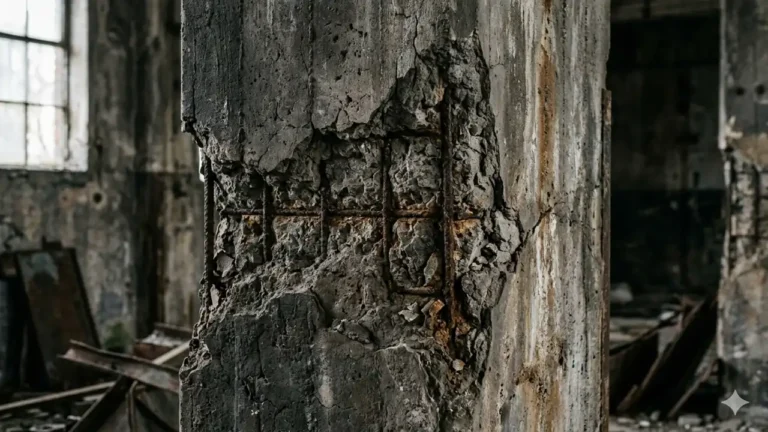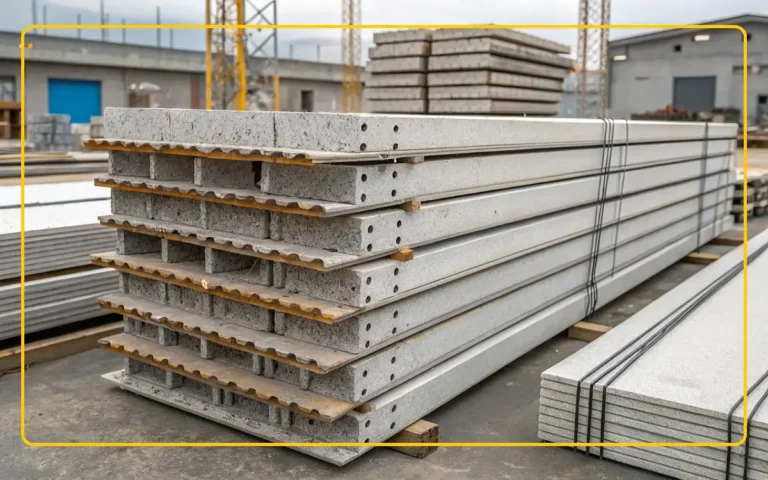

Integrated construction services are no longer a luxury reserved for mega-projects they are the defining factor separating profitable Midwest builds from costly, delayed ones.
If you’ve been following precast concrete and structural framing trends across the Midwest, this won’t come as a surprise.
Our team has watched this shift accelerate sharply over the past 24 months, and the data backs up what our contractors are seeing on the ground every week.
Swimming Pool Construction Near Me Smarter With Precast
Key Takeaways:
- Integrated construction services reduce project delivery time by up to 30% when precast concrete systems are coordinated from design through installation.
- Structural framing conflicts are the leading cause of precast rework integration eliminates most of them before a single panel is lifted.
- Contractors who adopt a unified delivery model report measurably lower per-square-foot costs across commercial and industrial builds.
What Exactly Are Integrated Construction Services in a Precast Context?
Integrated construction services describe a project delivery model where design, engineering, fabrication, and site installation are managed under one coordinated framework.
This is not simply about hiring a general contractor who subcontracts everything out.
It means the precast concrete fabricator, the structural framing team, and the project engineers are communicating in real time — from the first site survey to the final panel placement.
According to the Precast/Prestressed Concrete Institute (PCI), projects using coordinated precast delivery models consistently outperform traditional siloed approaches on both schedule and structural performance metrics.
Our analysis suggests this advantage is even more pronounced on Midwest projects where weather windows are narrow and pour schedules cannot slip.
How to Choose a Pillow Panel System
Why Does Structural Framing Alignment Matter So Much?
Here is where most mid-size contractors get into trouble.
Structural framing decisions made in isolation without input from the precast concrete team — create dimensional conflicts that only surface during installation.
Those conflicts are expensive, and they are almost always preventable.
Construction industry insiders are noting that the majority of precast rework claims originate from misaligned embedment plates, miscalculated bearing widths, or steel framing that was sized without accounting for precast panel load paths.
The American Institute of Steel Construction (AISC) has published connection design guidelines specifically addressing precast-to-steel interface detailing — a resource our team references regularly during project coordination phases.
How Do You Actually Implement Integrated Construction Services on a Precast Project?
This is the practical question most owners and contractors need answered.
Below is a step-by-step framework our team uses to structure integrated construction services across precast concrete and structural framing scopes.
Step 1: Establish a Single Point of Coordination
Assign one technical lead — not an administrative project manager, but an engineer or senior superintendent — who owns communication between the precast fabricator, structural engineer, and general contractor from day one.
Step 2: Conduct a Pre-Design Alignment Session
Before any shop drawings are released, bring the structural framing team and precast concrete producer into the same room (or virtual environment) to review load paths, connection details, and erection sequence.
This single meeting eliminates the majority of costly field conflicts.
Swimming Pool Construction Near Me Smarter With Precast

Step 3: Lock Embedment and Bearing Details Early
Embedment plates, weld plates, and bearing pad locations must be confirmed before precast panel production begins.
Changes made after casting are almost always structural and almost always expensive.
Step 4: Sequence the Erection Plan Collaboratively
The structural framing erection sequence and the precast panel placement sequence must be coordinated as one plan, not two separate schedules running in parallel.
According to OSHA’s construction standards, erection sequencing is also a direct safety requirement — integrated planning satisfies both efficiency and compliance objectives simultaneously.
Step 5: Conduct Regular Field Coordination Reviews
Hold weekly alignment reviews throughout the construction phase.
Do not wait for problems to surface — build the coordination time into the schedule.
Precast vs. Traditional Cast-in-Place: Where Integration Creates the Biggest Advantage
| Factor | Precast + Integrated Services | Traditional Cast-in-Place |
|---|---|---|
| Schedule Impact | 20–30% faster typical delivery | Weather-dependent, sequential pours |
| Structural Consistency | Factory QC, controlled curing | Variable field conditions |
| Framing Coordination | Pre-engineered connections | Field-resolved conflicts |
| Cost Predictability | Fixed fabrication cost early | Material and labor cost exposure |
| Sustainability | Less on-site waste generated | Higher material waste typical |
The National Institute of Standards and Technology (NIST) has documented that off-site fabrication models — which precast concrete fundamentally relies on — reduce total project waste by a measurable margin compared to cast-in-place methods.
That is a metric Midwest owners and developers are paying close attention to.
Treasure Hunt for Team Building in Precast Concrete Construction
Integrated Construction Services Drive Smarter
— US News (@Us_news_ways) June 29, 2026
Integrated construction services are no longer a luxury reserved for mega-projects the defining factor separating profitable Midwest.@ConstWorldSA @4ConstructnPros @BuildItMagazine https://t.co/t8Q5HuBxU5
What Does This Mean for Your Next Midwest Build?
Our contractors note that the Midwest market has been slower than coastal markets to fully adopt integrated construction services — but that gap is closing fast.
Commercial owners, industrial developers, and municipal clients are increasingly specifying integrated delivery as a contract requirement, not a preferred option.
If you are bidding a project that includes precast concrete panels, structural steel framing, or both, the question is no longer whether integrated construction services add value.
The question is whether your team is structured to deliver them.
The Construction Industry Institute (CII) has consistently found that integrated project teams reduce total installed cost by 10–15% compared to fragmented delivery models.