Concrete is known for its strength and durability, but it is not completely resistant to moisture. Water can enter through cracks, joints, penetrations and porous sections of a foundation long before a property owner discovers a visible puddle.
In some cases, a foundation may experience recurring moisture exposure for months or years before the most obvious symptoms appear. Identifying the early warning signs can help building owners address the source before it causes more extensive damage.
Why Water Collects Around Foundations
Many foundation moisture problems begin with drainage conditions outside the building. Rainwater and melting snow enter the surrounding soil, where they may collect against foundation walls.
Clogged gutters, short downspouts and ground that slopes toward the building can all increase the amount of water near the foundation. As the soil becomes saturated, it creates hydrostatic pressure against concrete walls and slabs.
Water then moves through any available opening, including wall cracks, construction joints, pipe penetrations and the joint where the wall meets the floor.
“Water follows the path of least resistance,” said Steve Karlik of Blue Umbrella Waterproofing. “A crack may appear very small from inside the building, but it can still provide a route for moisture when the soil outside becomes saturated.”
Freeze-and-thaw cycles can make these conditions worse. Moisture in the soil expands when it freezes, potentially placing additional pressure against the foundation. Spring snowmelt and heavy seasonal rain can then expose weaknesses that were less noticeable during drier periods.
Warning Signs Are Not Always Obvious
Standing water is a clear indication that something is wrong, but property owners should not wait for a flood before investigating.
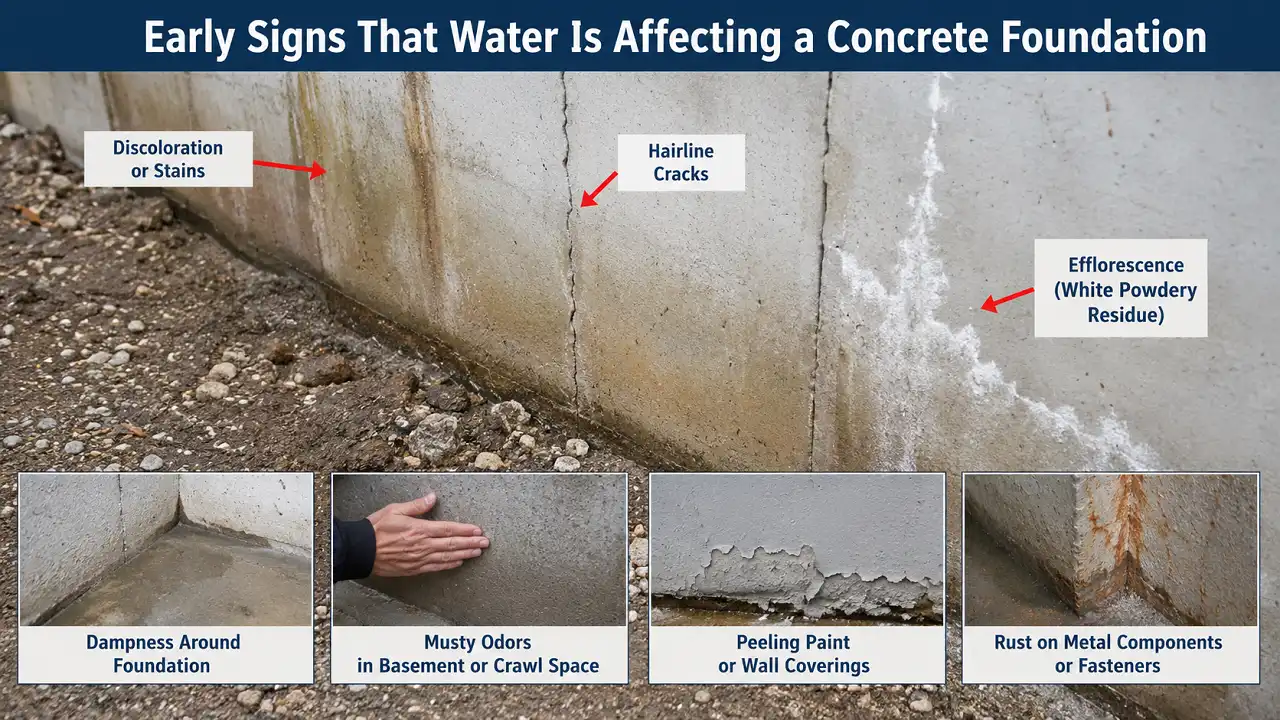
A persistent musty smell may indicate excessive moisture even when walls and floors appear dry. Paint may bubble, coatings may peel and white mineral deposits may form on concrete surfaces as water passes through the material and evaporates.
Other signs can include dark areas near the wall-floor joint, rust on metal components, warped flooring, damaged trim, high indoor humidity and recurring mold growth.
Cracks should also be monitored for changes.
“Not every foundation crack means the building has a serious structural problem,” Karlik said. “What matters is the crack’s location, direction, width and whether it is growing, leaking or showing signs of movement.”
Small shrinkage cracks are common as concrete cures. However, horizontal cracks, stair-step cracking, inward wall movement or cracks with visible displacement should be evaluated by an experienced professional.
The Solution Must Address the Water’s Source
A common mistake is treating only the visible symptom. Painting or coating the inside of a damp wall may temporarily cover staining, but it does not necessarily stop water from collecting outside or relieve pressure against the foundation.
The appropriate solution depends on how the water is reaching the building.
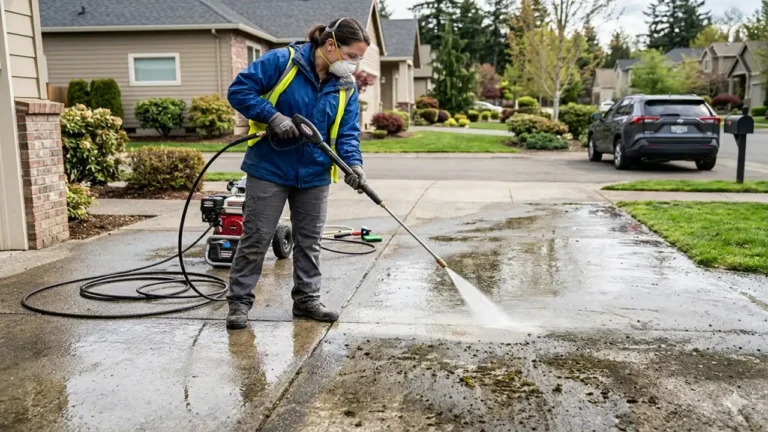
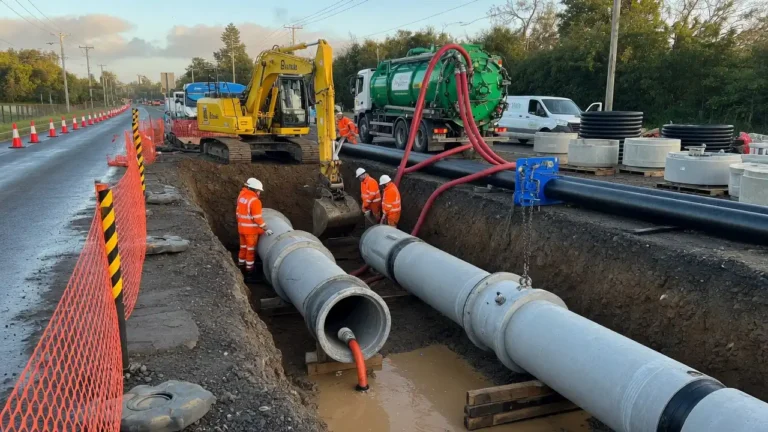
Exterior improvements may include repairing gutters, extending downspouts, correcting grading or installing drainage and waterproofing systems. Interior approaches may involve drainage channels, sump pumps, vapor barriers or targeted crack repairs.
“Waterproofing is not a one-size-fits-all service,” Karlik said. “Before recommending work, the contractor should determine where the water originates, how it is entering and whether there are drainage or structural concerns that also need attention.”
A thorough inspection should consider the condition of the walls and floor, nearby landscaping, exterior drainage, existing sump equipment and the pattern of moisture inside the building.
Precast Systems Depend on Their Connections
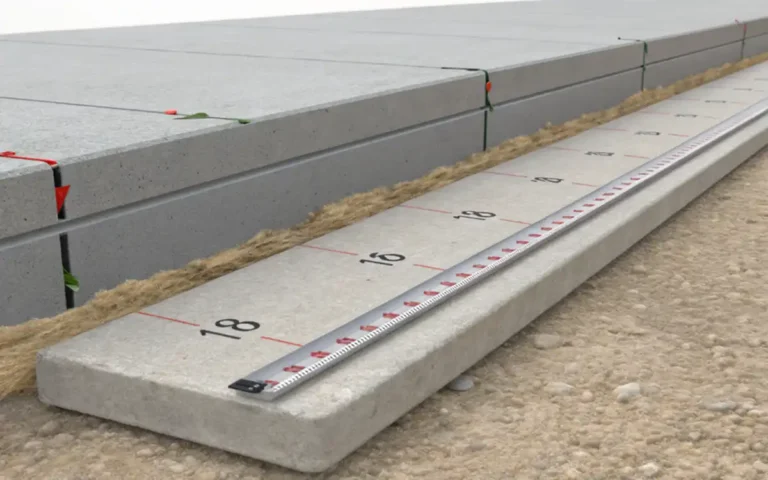
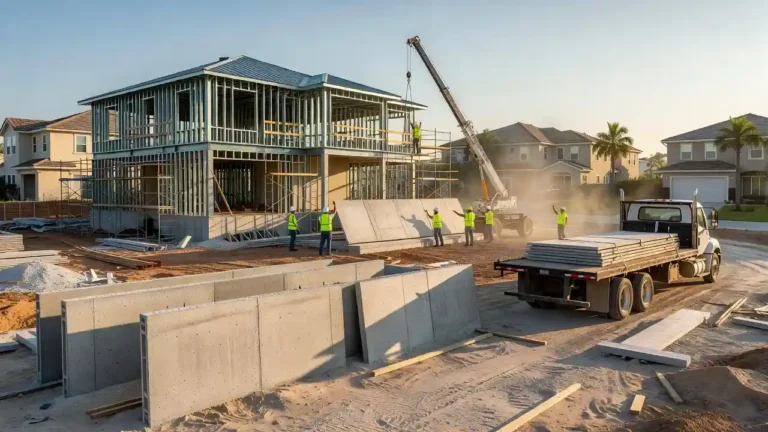
Precast concrete components are manufactured under controlled conditions, but the completed structure still depends on properly designed and maintained connections.
Joints between panels, foundations, roofs, windows and other materials must accommodate movement while preventing water entry. Sealants should be suitable for the surfaces, climate and anticipated movement.
Installation quality is equally important. Dust, moisture, poor surface preparation or incorrect joint dimensions can prevent sealants from adhering properly.
These areas should be inspected periodically, especially around windows, utility penetrations and transitions between different construction materials.
Early Intervention Reduces Disruption
Foundation water problems rarely resolve themselves permanently. A leak may disappear during dry weather and return during the next major storm or thaw.
Property owners can reduce their risk by keeping gutters clear, directing downspouts away from the structure, maintaining positive grading and testing sump pumps regularly. Cracks, damp areas and unexpected increases in basement humidity should be investigated promptly.
Preventing water intrusion protects more than the concrete itself. It can also help preserve indoor finishes, stored materials, mechanical equipment, air quality and the long-term value of the property.
The earlier the source is identified, the more options an owner is likely to have for correcting it before the damage becomes extensive.