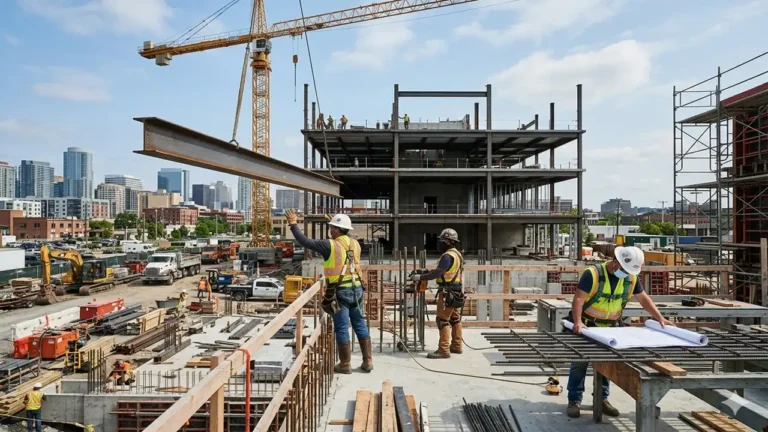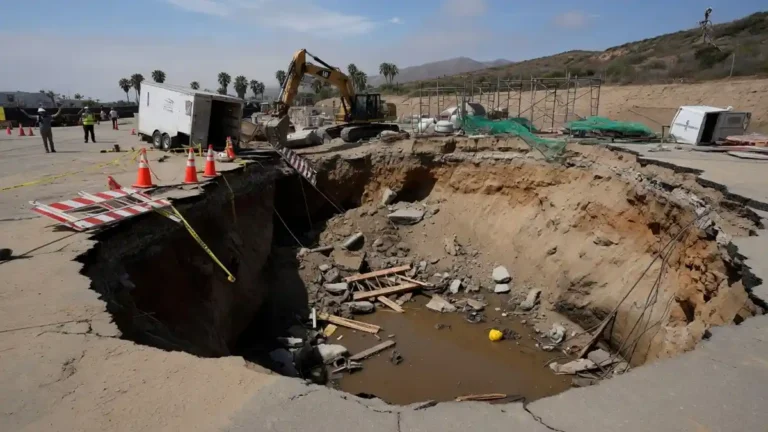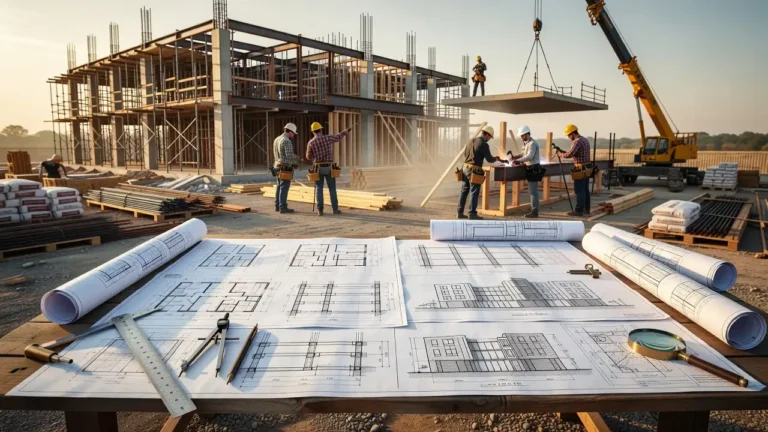
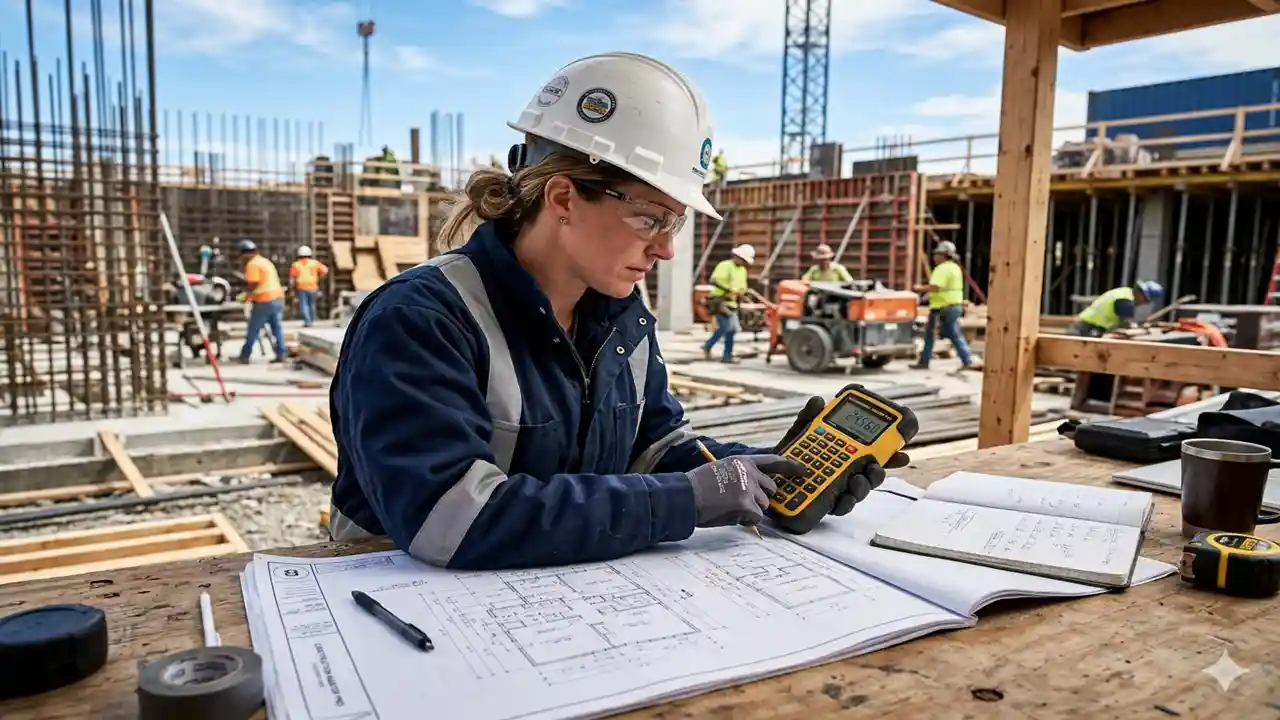
This is where a construction calculator becomes your best friend. In this guide, we will explore how these digital tools streamline your workflow, save you thousands of dollars, and ensure your project stays on schedule.
Why Every Builder Needs a Construction Calculator
In the past, builders relied on manual blueprints and heavy hand-written ledgers. Today, the margin for error is slimmer than ever due to rising material costs. A construction calculator isn’t just a basic math tool; it is a specialized engine designed to handle complex geometry and material density.
Using these tools allows you to:
- Minimize Waste: Precision estimates mean you buy exactly what you need.
- Budget Accurately: No more “hidden costs” popping up halfway through the build.
- Save Time: Instantly convert measurements from inches to feet or centimeters without manual errors.
According to research on infrastructure efficiency from the National Institute of Building Sciences, digital integration and precise planning can significantly reduce project overhead and material loss.
Notice for Illegal Construction: A Complete Guide to Handling Building Violations
Different Types of Estimators for Every Stage
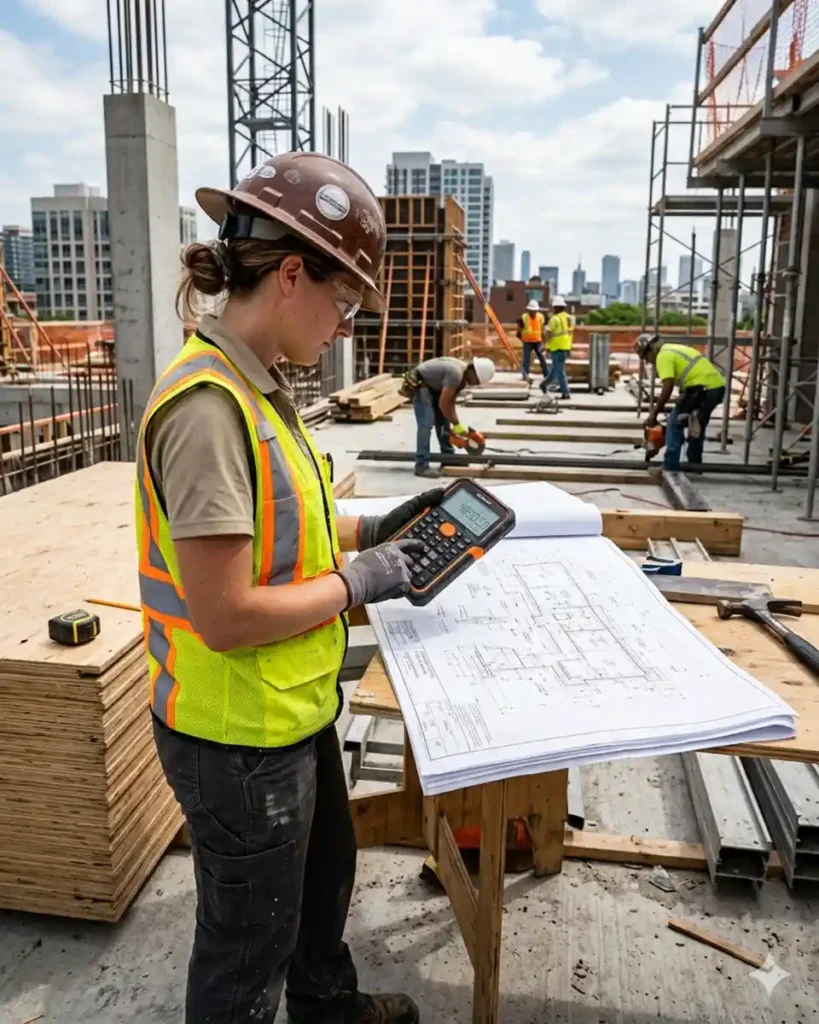
Not all construction tasks are created equal. Depending on your specific job, you may need a specialized construction calculator module.
1. Concrete and Slab Calculators
Concrete is one of the most difficult materials to estimate because it is sold by volume (cubic yards), while most people measure their space in square feet. A calculator does the heavy lifting of factoring in the depth of the pour and the necessary “overage” (usually 5-10%) to account for spillage or uneven ground.
2. Framing and Lumber Tools
Calculating the number of studs needed for a wall isn’t as simple as dividing the length by 16 inches. You have to account for top and bottom plates, headers for windows, and corner blocks. A dedicated construction calculator helps automate this logic.
3. Roofing and Siding Estimates
Roofs involve “squares” and pitches. These calculations involve trigonometry that can be daunting. Modern tools allow you to input the pitch of your roof and the total area to get an instant count of shingles or metal panels required.
Draw the Following Triangles and Construct Circumcircle for Them
How to Use a Construction Calculator for Maximum Accuracy
To get the most out of your construction calculator, you need to provide it with high-quality data. Follow these steps for the best results:
Step 1: Take Precise Measurements
Don’t round up your measurements on the job site; let the calculator do that. Use a laser measure or a high-quality tape measure to get the exact dimensions of your space.
Step 2: Account for the “Overage” Factor
No project is perfect. Boards split, tiles crack, and concrete spills. A professional-grade construction calculator will usually have a field for “Waste Percentage.” For most projects, a 10% buffer is the industry gold standard.
Step 3: Choose the Right Units
Double-check if you are working in metric or imperial. Mixing up centimeters and inches is a classic mistake that can ruin an entire material order.
Featured Snippet: What is the most accurate way to calculate construction materials? The most accurate way to calculate materials is to use a digital construction calculator that allows for “waste factor” inputs. By entering exact dimensions and adding a 5-10% buffer for errors and cuts, you ensure you have enough supplies without overspending.
Construction Companies Near Me: A Guide to Choosing the Best Local Builders
Common Pain Points a Construction Calculator Solves
One of the biggest struggles for homeowners is the “Fear of the Unknown.” Will this renovation cost $5,000 or $15,000? By using a construction calculator early in the design phase, you can generate a “Material Takeoff.”
This takeoff acts as a shopping list. When you walk into a supplier with a specific list of quantities, you are in a much stronger position to negotiate bulk pricing. Furthermore, as noted in the U.S. General Services Administration (GSA) guidelines for project management, accurate data-driven estimating is the cornerstone of avoiding “scope creep” and budget overruns.
The Technology Behind Modern Estimating Tools
We have come a long way from the bulky handheld calculators of the 1990s. Today, a construction calculator is likely an app on your smartphone or a cloud-based software.
Some of the most advanced versions now include:
- Cloud Syncing: Share estimates instantly with your foreman or client.
- Price Integration: Some calculators pull live pricing data from major hardware retailers to give you a real-time cost estimate.
- 3D Visualizations: Seeing a digital rendering of the area you just calculated helps confirm that your inputs were correct.
The American Society of Civil Engineers (ASCE) often highlights how these technological advancements are helping the industry meet higher sustainability goals by reducing the carbon footprint associated with wasted materials.
Myone Construction: The Future of Efficient High-Rise Development
Professional Tips for DIYers
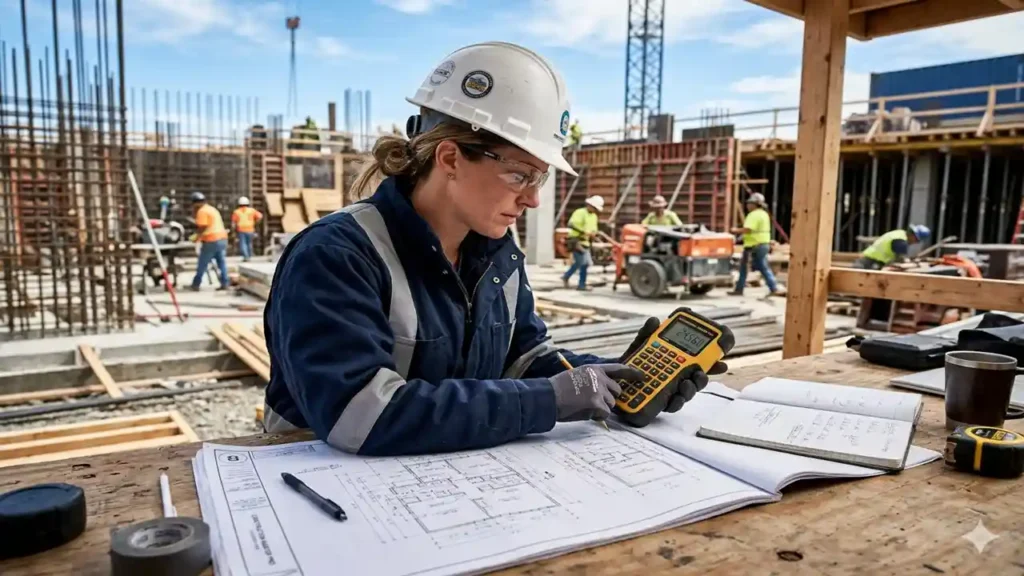
If you are using a construction calculator for the first time, keep these tips in mind:
- Check the Slope: If you’re building a driveway or a patio, remember that the ground is rarely perfectly flat. A calculator can help you determine the “fill” needed for a slope.
- Verify Local Codes: Sometimes, local building codes require more “beefy” framing (like 12-inch spacing instead of 16-inch). Make sure your calculator settings reflect these local requirements.
- Read the Manual: Many apps have “hidden” features, like calculating the number of screws or nails required based on the square footage of decking.
FAQ
Can I trust a free online construction calculator?
Yes, most free tools are based on standard mathematical formulas. However, always cross-reference the results for large-scale purchases to ensure no software glitches occurred.
Does a construction calculator account for labor costs?
Most basic versions only calculate materials. However, “Pro” versions often allow you to input an hourly rate or a “per square foot” labor charge to give you a total project estimate.
How do I calculate the area for irregular shapes?
Break the shape down into smaller rectangles and triangles. Use the construction calculator to find the area of each part, then add them together.
Final: Build Smarter, Not Harder
At the end of the day, a construction calculator is about more than just numbers it’s about confidence. It gives you the peace of mind that your budget is sound, your materials are sufficient, and your project is built on a foundation of accuracy.
Precision in the planning phase is what separates a stressful project from a successful one. By leveraging modern tools and sticking to data-driven estimates, you can focus on the craftsmanship rather than the math.
Ready to start your next build? Don’t leave your budget to chance. Download a reliable construction calculator app or use a professional web-based estimator today to get your project off on the right foot. Your wallet (and your sanity) will thank you!