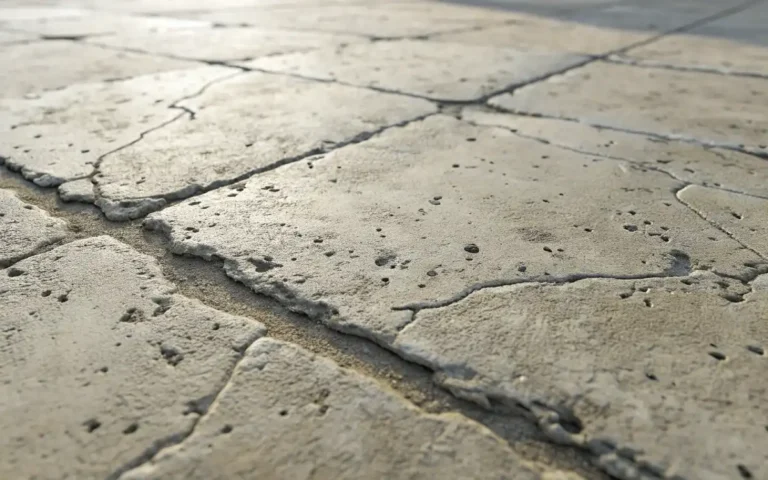
Precast structures fail in the Midwest for one reason: the wrong cement in the wrong climate. CIIIB blast-furnace cement changes that math. For developers and property owners facing freeze-thaw cycles, sulfate soils, and 50-year service demands, this slag-rich binder is the difference between cracking early and lasting a century.
Key Takeaways
- CIIIB (CEM III/B) contains 66% to 80% ground granulated blast-furnace slag (GGBS), giving it exceptional sulfate and chloride resistance.
- It generates low heat of hydration, which cuts thermal cracking risk in mass pours and improves freeze-thaw durability across Midwest winters.
- Early strength is slower, but 28-day and 56-day compressive strength typically matches or exceeds standard Portland mixes.
Explore More: Milwaukee 1/2 Impact Reshapes Precast Fastening
What Is CIIIB?
CIIIB, written formally as CEM III/B, is a blast-furnace cement defined by its high proportion of ground granulated blast-furnace slag. Unlike CEM I, which is nearly all Portland clinker, this binder replaces most clinker with GGBS, a reactive byproduct of iron production.
Our crews treat this material as a structural upgrade, not a substitute. The slag is chemically active. It refines the pore structure, lowers permeability, and slows the ingress of aggressive salts. According to NIST research on transport properties and durability, low permeability is the single strongest predictor of long-term concrete life.
Why Slag-Rich Cements Matter
- Lower carbon: Replacing clinker with slag cuts embodied CO2 significantly.
- Waste upcycling: GGBS repurposes a steel-industry byproduct.
- Chemical resistance: Strong defense against sulfate attack and chloride penetration.
Structural Benefits in Construction
Choosing this cement is a structural decision first. Because slag hydrates more slowly than clinker, it releases less heat during setting. That property protects thick sections, where trapped internal heat drives thermal cracking.
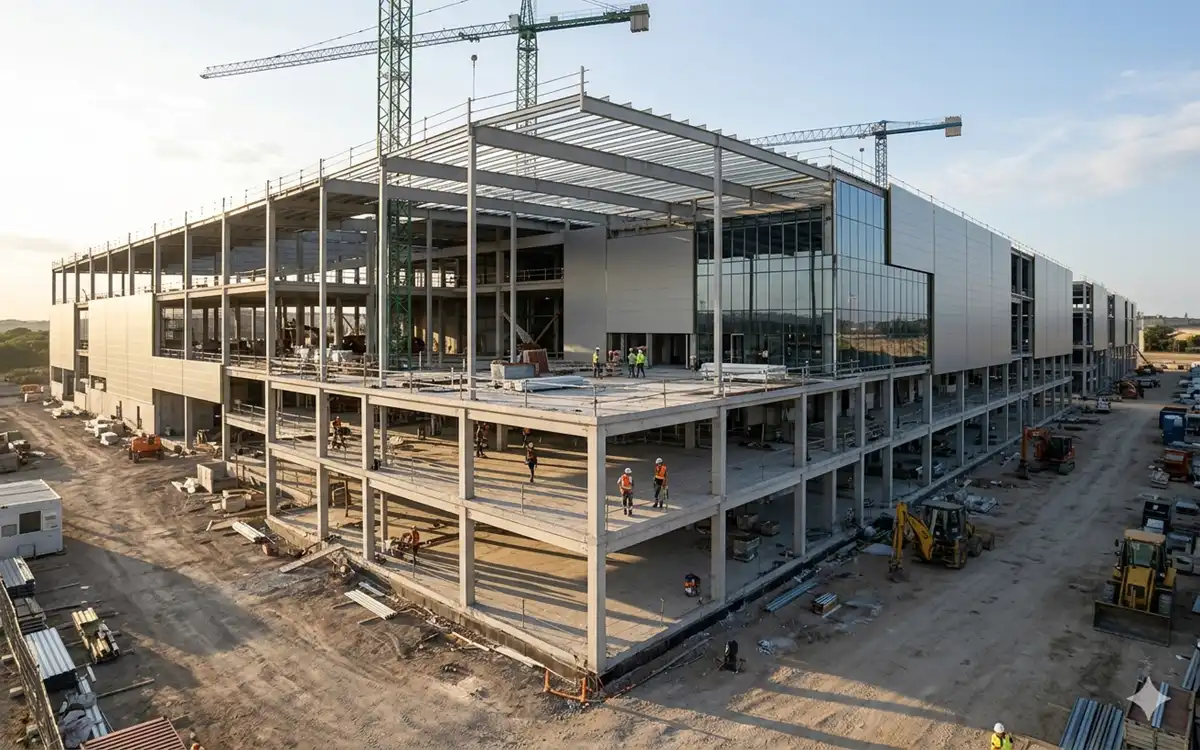
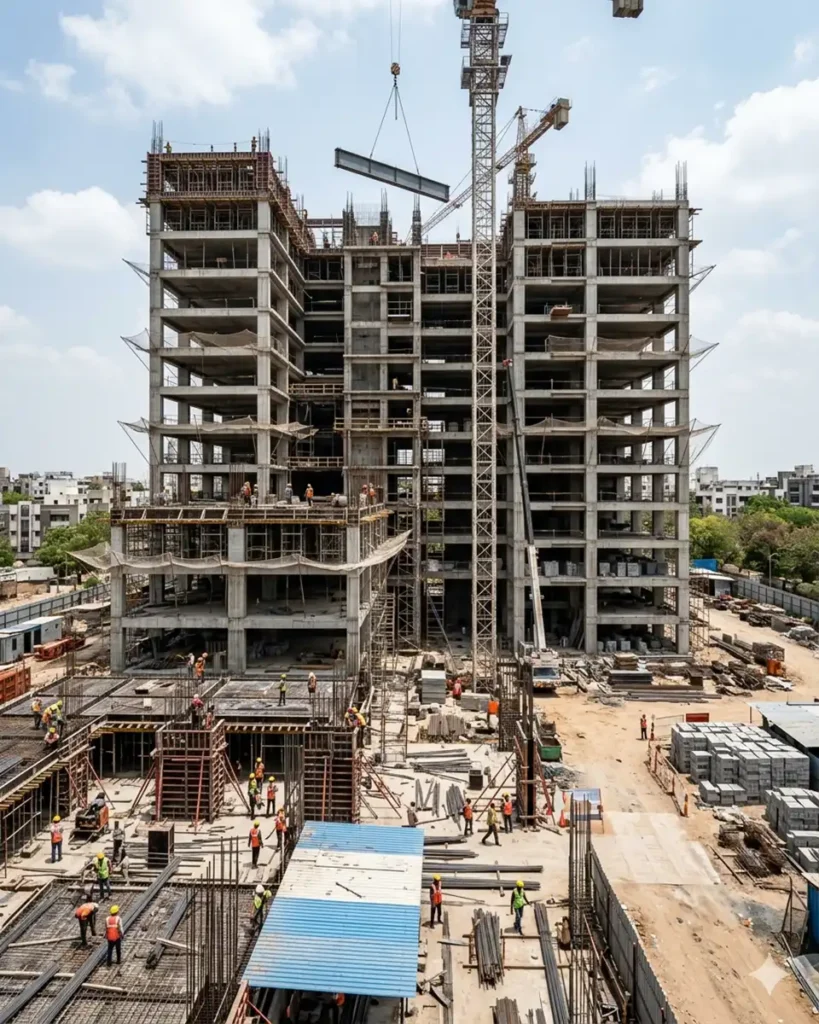
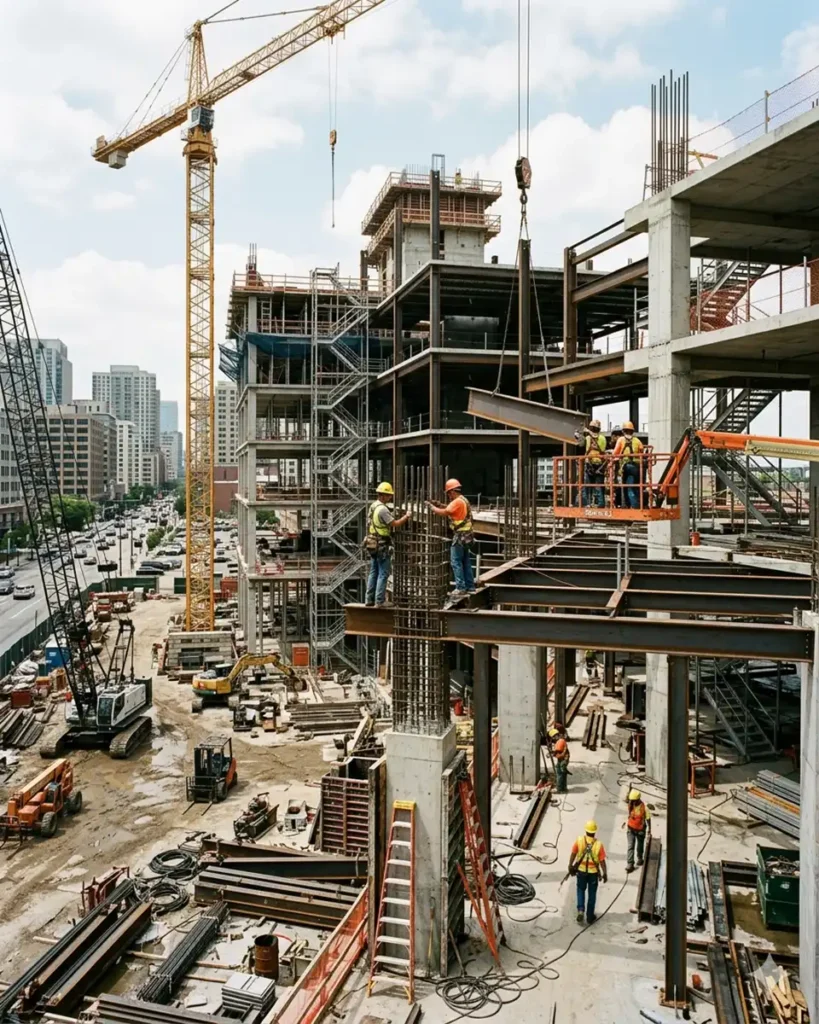
At Midwest Precast Contractor, we specify it for mass elements like retaining walls, foundations, and heavy piers. The tradeoff is patience. Early-age strength runs lower, but mature strength catches up and often surpasses conventional mixes, which suits infrastructure built to last decades.
Explore More: Average Cost to Build a House 2025 Precast Wins
Compressive Strength Timeline
| Age | CEM I (Portland) | CIIIB (CEM III/B) |
|---|---|---|
| 7 days | ~70% of target | ~45% of target |
| 28 days | 100% (baseline) | 95% to 105% |
| 56 days | ~105% | 110% to 120% |
| 90 days | ~108% | 115% to 125% |
Sustainability Goals
The industry faces tightening carbon rules and rising net-zero expectations. High-slag blends save large volumes of embodied carbon every year, which helps projects stay compliant and competitive.
For developers chasing LEED certification through USGBC, lower embodied carbon supports credit targets. Our teams document mix designs so your project files carry clean, defensible sustainability data.
Materials and Specifications
Below are the working specifications our crews reference on Midwest jobsites. These figures guide mix selection, curing plans, and formwork schedules.
| Specification | Typical Value |
|---|---|
| Slag (GGBS) content | 66% to 80% |
| Clinker content | 20% to 34% |
| Heat of hydration | Low |
| Sulfate resistance | High |
| Chloride resistance | High |
| Setting time | Slower than CEM I |
| Recommended curing | Extended, moist |
Handling and pouring follow standard federal safety guidance. Our crews work to OSHA Subpart Q for concrete and masonry on every site, and we align quality control with ACI concrete standards.
Pros and Cons
Pros
- Superior sulfate and chloride resistance
- Low heat reduces thermal cracking
- High long-term compressive strength
- Reduced embodied carbon
Cons
- Slower early strength gain
- Longer form-stripping times in cold weather
- Regional supply and pricing can vary
Explore More: DOJ White House Ballroom Construction: What It Means
CIIIB vs Other Cement Types
If you have tracked precast concrete standards, this comparison will not surprise you. The higher the slag content, the greater the durability and the lower the heat.
| Feature | CEM I (Portland) | CEM III/A | CEM III/B |
|---|---|---|---|
| Slag content | 0% to 5% | 36% to 65% | 66% to 80% |
| Heat of hydration | High | Moderate | Low |
| Sulfate resistance | Low | Moderate | High |
| Early strength | High | Moderate | Lower |
| Typical use | General | Moderate exposure | Marine / massive |
Cost Comparison Over 50 Years
| Cost Factor | CEM I | CEM III/B |
|---|---|---|
| Material cost | Baseline | Comparable to slightly higher |
| Maintenance (50 yr) | Higher | Lower |
| Repair frequency | More frequent | Less frequent |
| Total lifecycle cost | Higher | Lower |
Midwest Applications
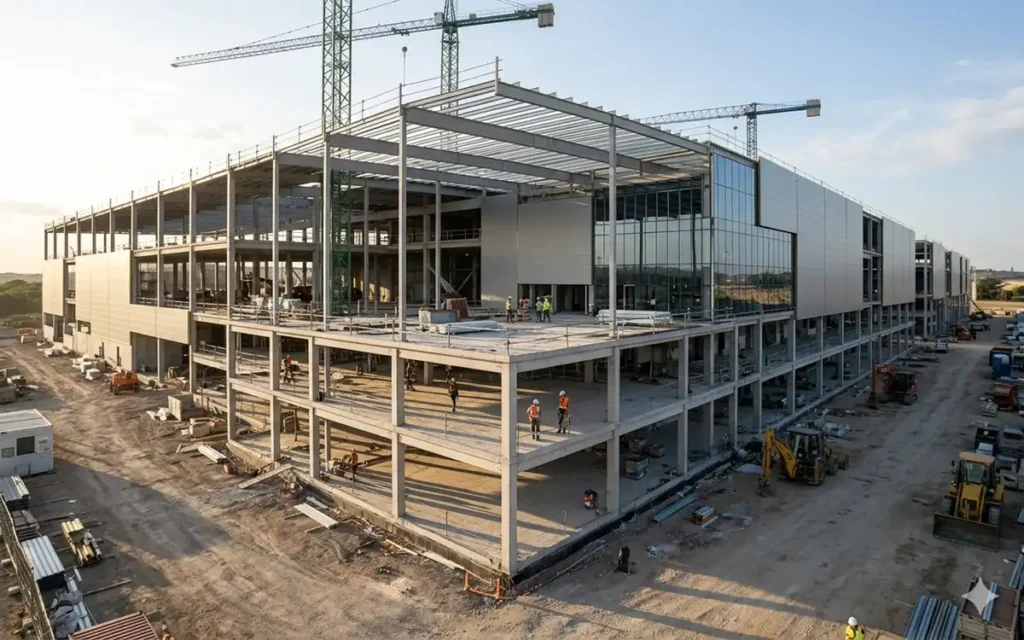
Midwest conditions punish concrete. Deicing salts, saturated soils, and repeated freeze-thaw cycles demand a low-permeability binder that resists intrusion.
Industry contractors are noting stronger performance from high-slag mixes in cold climates. Our hands-on engineering experience shows the same result across Des Moines and surrounding metros. We build for the toughest winters, not the mildest.
Midwest Weather Resistance
| Condition | CIIIB Performance |
|---|---|
| Freeze-thaw cycles | Strong, with proper air entrainment |
| Deicing salt exposure | High resistance |
| Sulfate-rich soils | High resistance |
| Moisture ingress | Low permeability |
Installation Steps
- Confirm mix design and slag ratio for the exposure class.
- Schedule pours to allow for slower early strength gain.
- Maintain extended, moist curing to develop full strength.
- Keep formwork in place longer during cold conditions.
- Verify air entrainment for freeze-thaw sites.
- Document strength tests at 28 and 56 days.
Explore More: How to Use a Stud Finder Before You Frame
FAQ
Is this cement more expensive than standard cement?
Material cost varies by region, but longer service life lowers 50-year maintenance and repair spending.
Can it be used for residential projects?
Yes. It performs well in foundations and underground walls exposed to moisture and soil chemicals.
How does it affect setting time?
Setting is slower, giving crews more finishing time in heat, though forms stay longer in cold weather.
Building for Tomorrow
Specifying this high-slag cement is now a practical standard for durable, lower-carbon construction, not a niche choice. It balances structural integrity with a reduced environmental footprint.
At Midwest Precast Contractor, we combine engineering precision, weather-tested materials, and on-time delivery on every build. If your next project demands high durability and low carbon impact, talk with our team about specifying CIIIB for the long haul.