Reinforced concrete pipe, often called RCP pipe, plays a key role in modern building projects. It fits perfectly into precast concrete construction, where parts are made in factories ahead of time.
Precast concrete means making strong, ready-to-use pieces like and panels off-site. This method speeds up work and cuts waste on the job site. RCP brings extra strength to these projects, especially for drainage and sewers.
What is RCP Pipe?
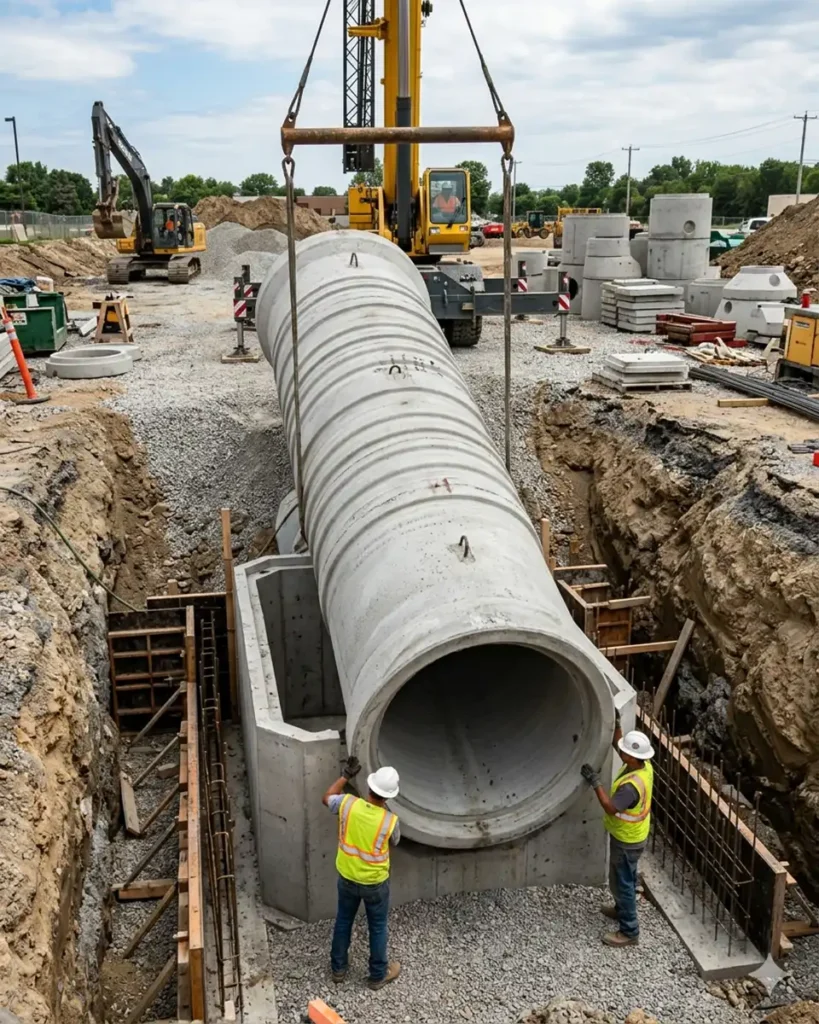
RCP pipe is a strong tube made from concrete reinforced with steel wires or bars. The steel makes it tough against bending and cracking. Factories cast it in shapes like rounds or arches to fit different needs.
This handles heavy loads from soil and traffic above ground. It meets standards from groups like ASTM and AASHTO. These rules ensure every piece is tested for strength and leaks.
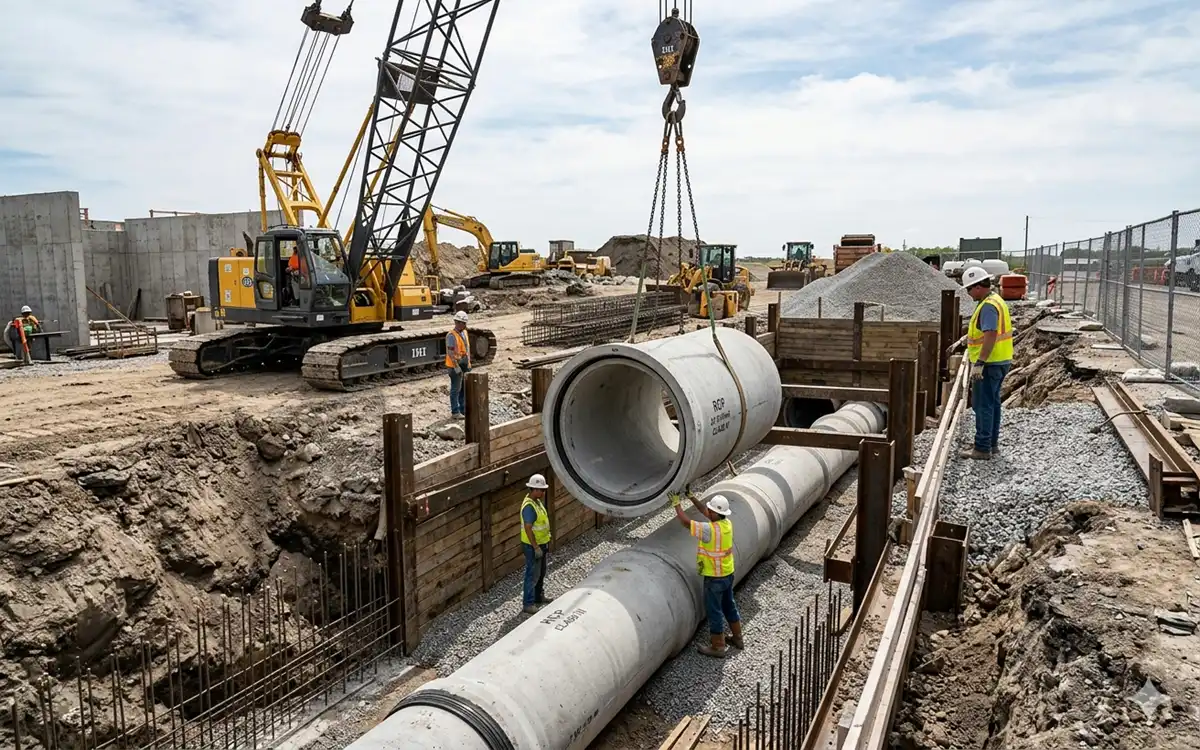
Precast RCP comes ready to install. Workers just lift it into place with cranes. This saves time compared to pouring concrete on-site.
Key Benefits in Precast Construction
RCP pipe boosts precast projects with its long life and low upkeep. It lasts over 100 years in many cases, as shown by old systems still in use.
Its rigid shape keeps water flow steady. Unlike flexible plastic pipes, RCP does not sag or change shape over time. This makes it great for storm drains under roads.
Steel reinforcement adds extra power. The strength doubles once bedded in soil. Factory control means each is uniform and reliable.
In precast concrete setups, RCP pipe resists fire, rust, and chemicals. It stands up to road salt and waste without breaking down.
Strength and Durability Features
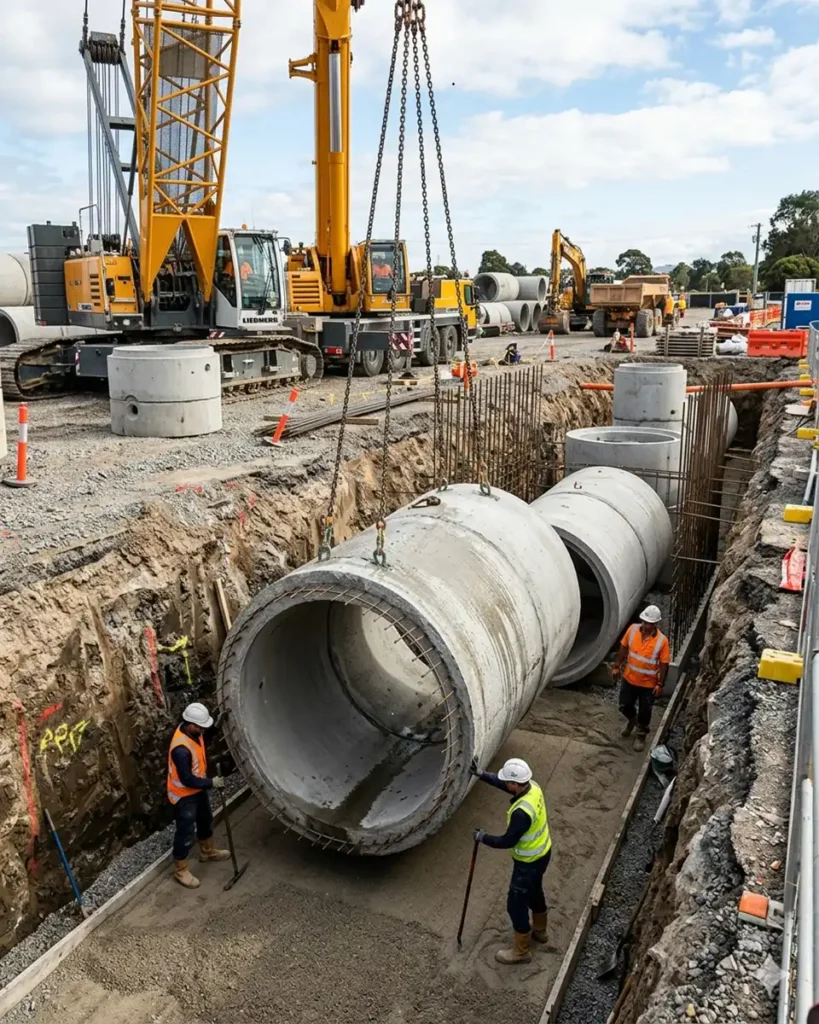
RCP pipe handles big loads without fail. Its concrete core and steel cage take pressure from above and inside flow. Tests show it beats plastic in deep burials.
Precast making adds precision. Pipes cure in controlled plants, gaining full strength before shipping. This cuts weak spots from weather delays.
Recent trends include fiber mixes for lighter weight and better crack resistance. As of 2026, markets grow with smart sensors in pipe for health checks.
For luxury property builds, RCP pipe ensures stable foundations. It prevents shifts that could harm high-end precast cement walls.
RCP Pipe Comparison Table
| Feature | RCP Pipe | Plastic Pipe (HDPE) | Metal Pipe (CMP) |
| Lifespan | 100+ years | 50-75 years | 30-50 years |
| Load Capacity | High, doubles in soil | Medium, flexes | Medium, corrodes |
| Corrosion Resistance | Excellent | Good | Poor |
| Hydraulic Flow | Consistent Manning’s n=0.012 | Variable | Good initially |
| Install Cost (Long-term) | Low maintenance | Higher replacement | Frequent repairs |
| 2026 Updates | Fiber & IoT sensors | Standard | Limited |
This table shows why RCP pipe leads in precast work. Data comes from industry standards and tests.
Integration in Precast Concrete Projects
Precast concrete uses for sewers and culverts. Factories mold pipes to exact sizes, from 12 to 144 inches wide.
Installation is simple: two workers, a boss, and a machine lower pipes into trenches. Gaskets seal joints tight against leaks.
In wall crack repair for precast structures, RCP drains water away. This stops cracks from growing in precast panels.
precast concrete, precast, precast cement, wall crack repair, Luxury Property.
Road projects love RCP pipe under precast bridges. It bears truck weight and storm surges without fail.
Latest 2026 Updates on RCP Pipe
As of early 2026, the RCP market grows at 9.95% yearly. New rules from PHMSA focus on pipeline safety, pushing better designs.
ASTM updated C361 in January 2026 for low-head pressure pipes. This refines reinforcement for tougher jobs.
Tech shifts include ultra-high-performance concrete and IoT sensors. These let teams monitor cracks remotely, perfect for precast builds.
Precast plants now use greener mixes with local aggregates. This cuts carbon footprints while keeping strength high.
Cost Savings Over Time
RCP pipe costs more upfront but saves big later. No need for digs every few decades like with plastic.
Life-cycle analysis shows lowest ownership cost. Army Corps rates it at 100 years service.
In precast, quick installs mean fewer site days. Labor drops, and projects finish on budget.
For irrigation in farms near Ahmedabad, RCP moves water far with no blocks.
Environmental Advantages
RCP pipe uses local materials, shrinking transport emissions. Concrete recycles well at end life.
It blocks pollutants better than leaky plastics. Tight joints stop groundwater mix-ins.
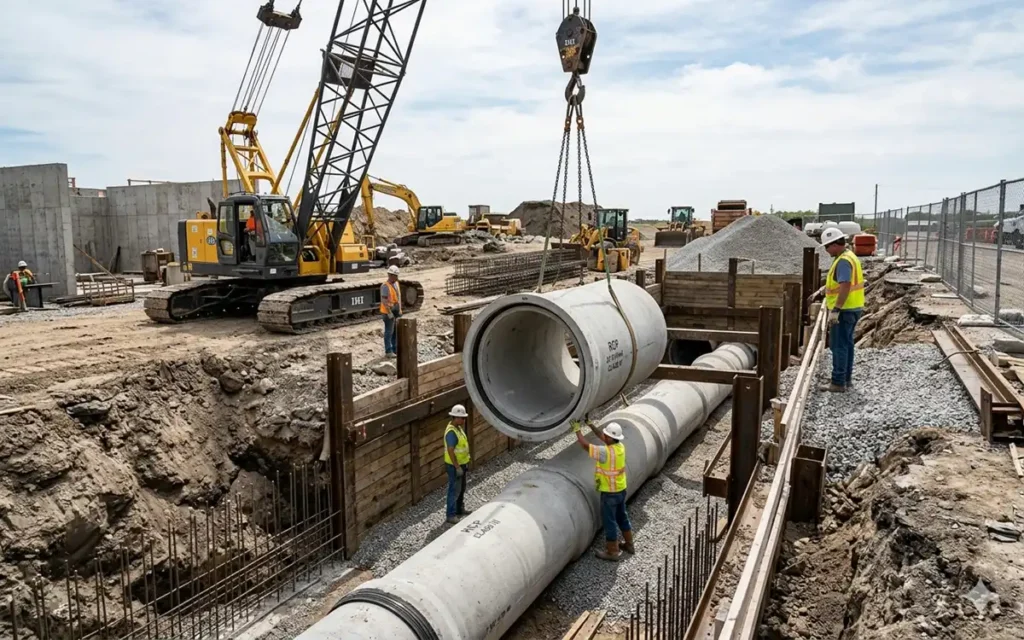
Sustainable precast cuts waste by 90% versus cast-in-place. pipe fits this green trend.
No burning or buckling in fires, aiding safety in urban precast towers.
Real-World Uses and Case Studies
Storm sewers in cities use RCP pipe for floods. US examples last centuries.
Culverts under highways handle daily traffic. Precast speeds road builds.
In sewage, lined fights acids. Great for industrial precast plants.
Luxury property near Gujarat uses it for hidden drains, keeping grounds dry.
Challenges and Fixes
Weight needs cranes, but precast yards handle this. Joints seal with rubber gaskets per ASTM.
For shallow covers, elliptical RCP pipe boosts flow.
2026 fibers make pipes lighter without losing power.
Future of RCP Pipe in Precast
Growth hits new highs with infra booms. Sensors and smart concrete lead innovations.
Precast teams adopt for speed and strength. It shapes tomorrow’s cities.
RCP pipe sets the standard for reliable precast construction.
For Repair and Services
1924 W Edward Ln, Milwaukee, WI 53209, United States
Phone: +14142855933
Email: [email protected]