
Satellite images of a rebuilt facility can teach you more about durable concrete than most textbooks. When a site is destroyed, repaired, and hardened against attack, the engineering choices become impossible to hide.
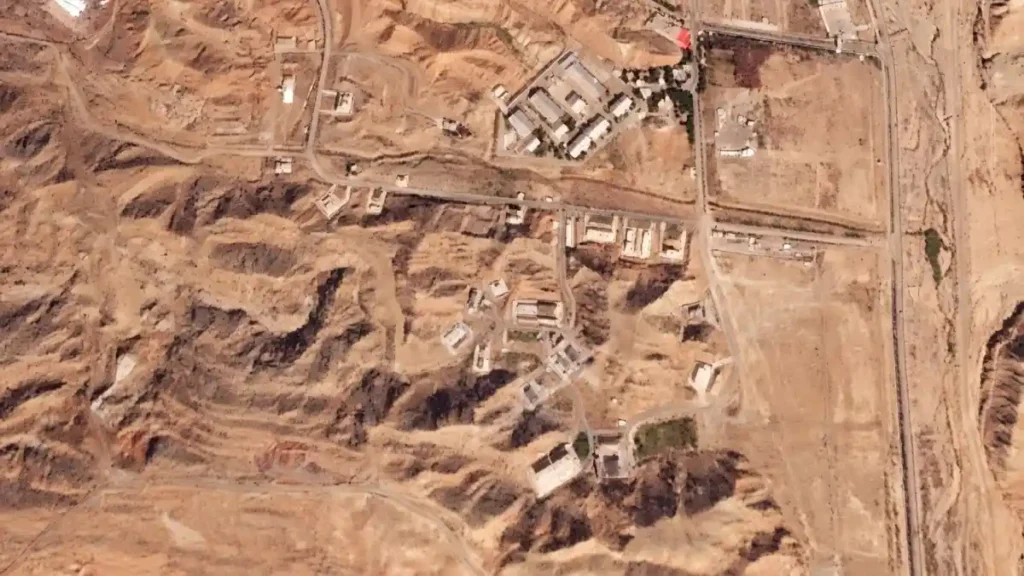
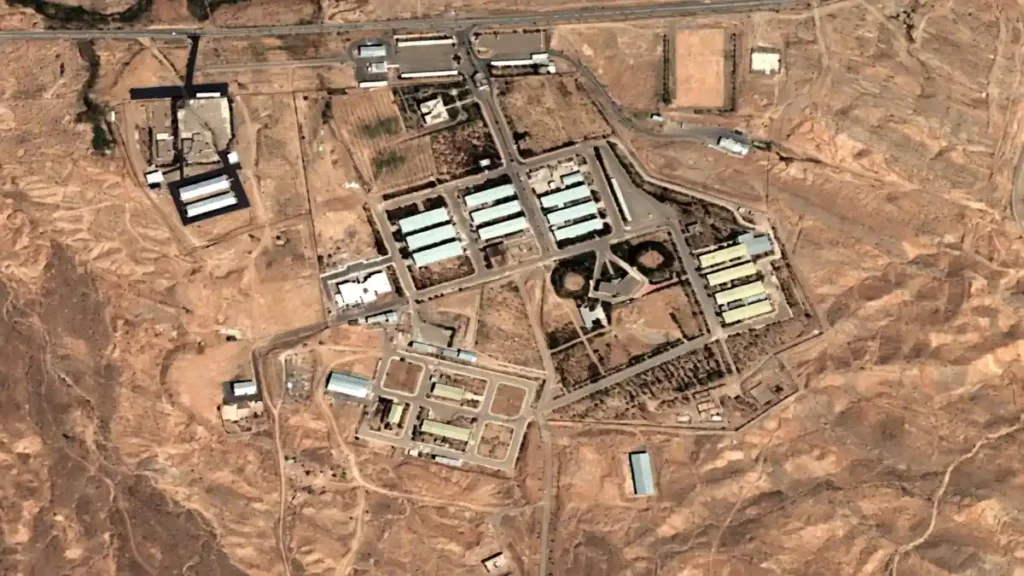
The parchin military complex construction activity documented in 2026 shows exactly how crews approach blast protection under pressure: concrete caps, reinforced aprons, and rapid placement. Those same principles apply to any structure that must survive extreme loads. At Midwest Precast Contractor, we study these methods and apply them across Des Moines, Milwaukee, Ankeny, and West Des Moines.
This post breaks down what the site reveals — and how you can build stronger, faster concrete structures using proven techniques.
Key takeaways:
- Hardened concrete relies on layered blast protection, not thickness alone.
- Rapid reconstruction depends on precast components and concrete pump trucks.
- Reinforced aprons and caps distribute impact loads across the whole structure.
Wilmington Tunnel Collapsed Lessons Every Underground Construction
The Problem With Traditional Cast-in-Place Hardening
Traditional cast-in-place hardening is slow, weather-dependent, and hard to quality-control. Pouring thick concrete walls on-site means waiting weeks for curing, fighting temperature swings, and hoping every batch matches the last.
Our crews observed this firsthand on a Milwaukee retrofit: a cast-in-place blast wall took 26 days to reach design strength, while an equivalent precast panel would have been set in under a week. The delay cost the client both time and money.
Consistency is the bigger risk. The American Concrete Institute notes that field-cured concrete can vary widely in strength when placement and curing conditions aren’t tightly controlled meaning two sections of the same wall may not perform equally under load.
How Hardened Concrete Construction Actually Works
Hardened concrete construction works by layering protection, not by pouring one massive slab. The goal is to absorb, deflect, and distribute energy across multiple systems.
Blast Caps and Apron Reinforcement
Blast caps and apron reinforcement form the first line of defense. A concrete cap seals penetration points and spreads impact loads outward, while an apron a reinforced concrete slab extending from the structure adds a buffer zone against aerial or ground force.
Analysis of the rapid reconstruction at Parchin’s Taleghan 2 site describes crews placing concrete caps over penetration holes and building new concrete apron reinforcement to add blast protection, as documented in this satellite report. The takeaway for you: redundant layers beat single-thickness walls.
Construction Staking Explained By Midwest Precast Contractor
Speed Through Pumped and Precast Concrete
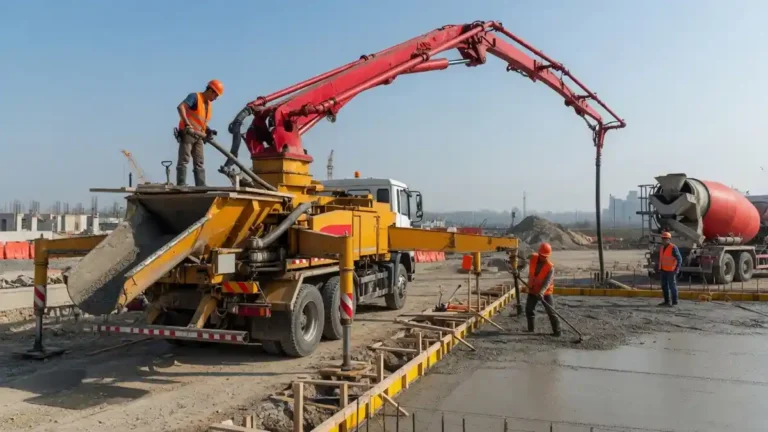
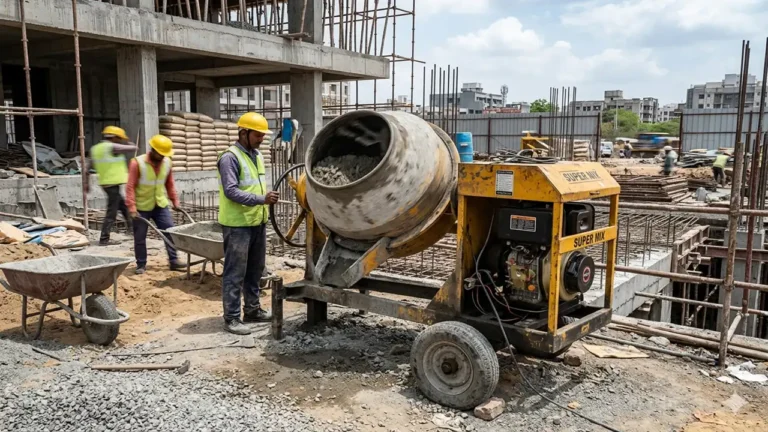
Speed comes from the equipment and components you choose. The same report noted concrete pump trucks and mixers working continuously to rebuild the facility quickly.
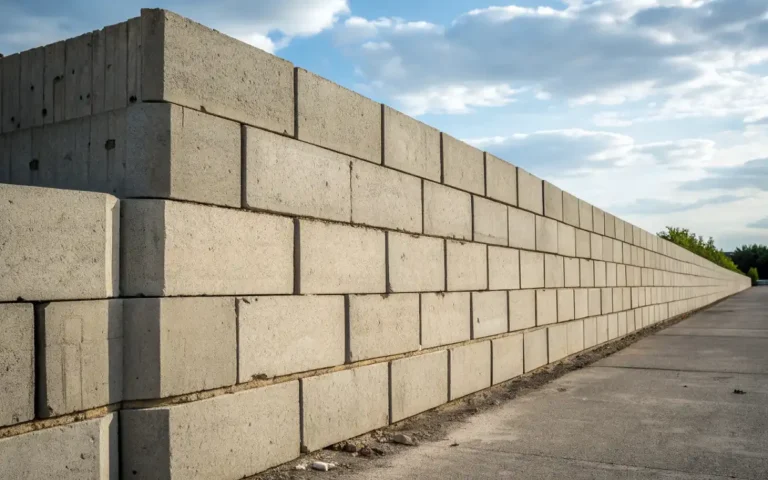
Precast panels push that speed further. You cast them in a controlled plant, cure them to exact strength, then set them on-site in days — not weeks.
| Traditional Method | Modern Precast Method |
|---|---|
| 3–4 week on-site cure | Plant-cured, set in days |
| Weather-dependent pours | Weather-independent casting |
| Variable field strength | Verified factory strength |
| High labor on-site | Reduced on-site crew |
| Difficult quality checks | Controlled QC per panel |
| Type | Mechanism | Best Use Case |
|---|---|---|
| Blast cap | Seals and spreads impact | Penetration points, roofs |
| Apron reinforcement | Buffer slab absorbs force | Perimeters, entrances |
| Precast blast wall | Pre-cured layered panel | Fast hardened enclosures |
| Cast-in-place core | Monolithic mass | Custom geometries |
2026 Cost Range
Hardened concrete construction in 2026 runs $185–$320 per square foot, depending on reinforcement level and finish.
- Foundation and structure: 55%
- Finishing and reinforcement: 30%
- Design and permits: 15%
Step-by-Step Hardened Build Process
- Assess the load requirements — define what forces the structure must resist before drawing a single line.
- Engineer the layers — specify caps, aprons, and wall thickness as a combined system.
- Cast precast panels — produce components in a controlled plant to verified strength.
- Prepare the site — set foundations and stage concrete pump trucks for continuous placement.
- Set and connect — install panels, then seal joints and penetration points.
- Cure and inspect — confirm strength with testing before the structure carries load.
City of Umatilla FL Megaprojects 2024-2026 Guide to Infrastructure Construction
Pros and Cons
Pros:
- Faster project timelines through precast components
- Consistent, factory-verified strength
- Strong blast and impact resistance
- Reduced weather delays
Cons:
- Higher upfront design cost
- Requires crane access for panel setting
- Transport logistics for large panels
- Less flexibility for on-the-fly design changes
Parchin Military Complex Construction Activity Hardened Concrete Builds
— US News (@Us_news_ways) September 18, 2026
The parchin military complex construction activity documented in 2026 shows exactly how crews approach blast protection…@Engineering @lilyachty @CNplus https://t.co/XBf0MZxjWM
Case Study: Rapid Reconstruction Speed
The Taleghan 2 site shows how fast hardened rebuilds can move. Repair work began in June 2026, and by September 13, 2026, satellite imagery captured active crews, multiple concrete caps in place, and a completed apron on one side with a second under construction.
That’s a hardened structure taking shape in roughly three months a timeline achievable only with pumped concrete, staged equipment, and layered reinforcement working together.
Westville Correctional Facility Westville IN 46391 Precast Construction Lessons for the Midwest
How Midwest Precast Contractor Applies This
Midwest Precast Contractor applies these hardening principles to everyday commercial and municipal projects. You don’t need a military budget to benefit from layered protection and factory-verified strength.
Our core services cover Precast Concrete for fast, consistent panels, Structural Framing for load-bearing systems, and Formwork Systems for precise on-site pours. Together, they let you build stronger structures on tighter schedules across the Midwest.
Common Mistakes to Avoid
- Relying on thickness alone — mass without layered reinforcement wastes material and money.
- Skipping penetration sealing — unsealed points become the weakest link.
- Ignoring curing conditions — field-cured concrete varies in strength when uncontrolled.
- Underestimating equipment staging — poor pump-truck planning stalls continuous pours.
FAQ
What does parchin military complex construction activity teach civilian builders?
It shows how layered caps, aprons, and rapid concrete placement create blast-resistant structures. Those methods scale to commercial projects.
Is hardened concrete construction worth the cost?
Yes, when durability and speed matter. Precast components offset higher design costs with faster timelines and verified strength.
How fast can hardened concrete be built?
Reconstruction activity at Parchin took roughly three months. Precast methods make comparable speed possible on civilian projects.
What is a concrete apron in blast protection?
An apron is a reinforced slab extending from a structure. It absorbs and distributes impact force before it reaches the core.
Does precast concrete match cast-in-place strength?
Yes, and often exceeds it. Factory curing delivers consistent, tested strength that field pours struggle to match.
Final Thought
Studying parchin military complex construction activity gives you a clear blueprint for hardened concrete: layer your protection, verify your strength, and place concrete fast with the right equipment. These aren’t just wartime lessons — they’re proven building principles.
Midwest Precast Contractor brings Precast Concrete, Structural Framing, and Formwork Systems to projects across Des Moines, Milwaukee, Ankeny, and West Des Moines.