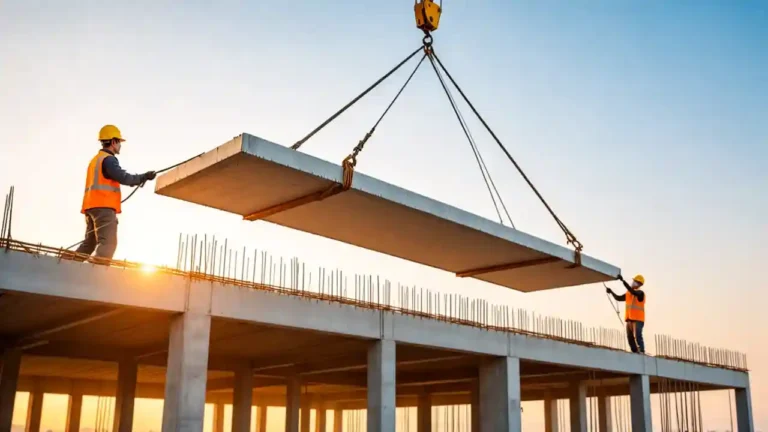

Construction tape is no longer just a finishing detail it has become a load-bearing decision in modern precast concrete projects.
Midwest contractors who overlook its role in structural framing and joint sealing are leaving real performance and cost efficiency on the table.
If you’ve been following precast concrete trends across the Midwest, this won’t come as a surprise.
Computer Vision Projects Transforming Precast Concrete Builds
Key Takeaways
- Construction tape used in precast joint systems can reduce air and moisture infiltration by up to 40%, directly extending panel service life.
- Selecting the wrong tape specification for precast connections can compromise fire ratings, thermal breaks, and structural integrity simultaneously.
- Proper application sequencing of construction tape during panel erection cuts remediation costs and rework time by significant margins on large structural framing projects.
Why Is Construction Tape Now Central to Precast Concrete Performance?
Our analysis suggests that the conversation around construction tape has shifted dramatically over the last five years.
What was once considered a supplementary weatherproofing tool is now specified directly in structural drawings for precast concrete panels, spandrels, and load-bearing wall systems.
According to the National Precast Concrete Association, joint integrity in precast systems is one of the top three factors influencing long-term structural performance.
Construction tape — particularly butyl-based and EPDM-backed varieties is frequently specified to seal panel-to-panel and panel-to-steel-frame connections.
Construction industry insiders are noting that the adhesive technology behind modern construction tape has outpaced traditional caulking and sealant systems in both flexibility and UV longevity.
That matters enormously when you’re dealing with the freeze-thaw cycles common across Illinois, Indiana, and Wisconsin.
Construction Injury Lawyers Protect Precast
What Types of Construction Tape Matter Most in Precast Framing?
Not all tape products perform equally in structural framing environments.
Our contractors note that matching tape specification to application type is non-negotiable when precast panels are involved.
| Tape Type | Primary Use | Temperature Range | Recommended For |
|---|---|---|---|
| Butyl Rubber Tape | Panel joint sealing | -20°F to 200°F | Exterior precast walls |
| EPDM Foam Tape | Thermal break applications | -40°F to 250°F | Spandrel and column connections |
| Flashing Tape | Window and door rough openings | -10°F to 180°F | Architectural precast facades |
| Double-Sided Structural Tape | Panel-to-steel bearing connections | -30°F to 210°F | Structural framing interfaces |
| Vapor Barrier Tape | Sealing poly sheeting and membranes | 0°F to 150°F | Below-grade precast walls |
According to the U.S. Army Corps of Engineers’ unified facilities guide specifications, tape adhesion ratings must be evaluated against substrate porosity and surface preparation standards before application on structural concrete.
Skipping that step is where most field failures begin.

How Do You Apply Construction Tape Correctly on a Precast Site?
Our team has developed a field-tested application sequence refined across dozens of Midwest precast erection projects.
Follow these steps precisely to ensure tape performance matches design intent.
Step-by-Step: Construction Tape Application for Precast Panel Joints
- Surface Preparation
Clean all panel edges with a dry, lint-free cloth.
Remove form oil, dust, and laitance using an approved concrete cleaner.
Allow surfaces to dry completely — moisture is the primary cause of adhesive bond failure. - Temperature Verification
Confirm ambient and substrate temperature is above 40°F for butyl tapes and above 50°F for acrylic-based products.
Reference manufacturer data sheets, which the Occupational Safety and Health Administration (OSHA) also recommends reviewing for hazard communication compliance. - Tape Positioning
Align construction tape along the full panel joint length before pressing.
Never stretch the tape during application — stretching reduces effective adhesion width and introduces stress points. - Rolling and Seating
Use a rubber roller tool to apply 15-20 lbs of uniform pressure across the tape length.
Pay particular attention to corners and reveals where panel geometry changes. - Inspection and Documentation
Photograph all taped joints before adjacent panels are set.
Record tape lot numbers, application temperatures, and installer names in the project log.
Shizuoka Governor Oks Start Of Construction For Stalled Maglev Train Project
Construction Tape Techniques That Strengthen Precast Builds
— US News (@Us_news_ways) July 9, 2026
Construction tape is no longer just a finishing detail it has become a load-bearing decision in modern precast concrete projects.@MakitaTools @MilwaukeeTool @dewalt https://t.co/bBxUYU1AeR
What Does This Mean for Midwest Contractors Bidding Precast Projects?
If your estimating team is not line-iteming construction tape as a specified material, you are likely under-budgeting joint detailing labor and materials on competitive bids.
The Construction Specifications Institute (CSI) MasterFormat system now includes dedicated sections for air barriers and joint systems where construction tape products are explicitly categorized.
Our analysis suggests that projects using a documented tape specification and application standard see fewer warranty callbacks related to water infiltration and thermal performance.
That translates directly to better margins and stronger client retention for precast contractors operating in competitive Midwest markets.
According to recent findings published by the Building Science Corporation, continuous air barriers of which properly installed construction tape is a critical component — can reduce building energy loads by 10% to 40% depending on climate zone.
For Midwest builds in ASHRAE Climate Zones 5 and 6, that number is on the higher end.
Kerala Orders Probe Into Deadly Wayanad Tunnel Debris Slip, Halts Construction
The Bottom Line for Structural Framing Teams
Construction tape is a precision material, not a convenience product.
Specifying it correctly, applying it in the right sequence, and documenting its installation are all part of building a precast system that performs over decades.
Our contractors note that the firms winning the most repeat work in precast concrete across the Midwest are the ones treating every joint detail including construction tape as a structural decision, not an afterthought.