
Incorporating architectural salvage into current projects has moved from a niche aesthetic choice to a viable structural strategy for high-performance builds.
Our team at Midwest Precast Contractor observes that this transition is redefining how we approach structural framing today.
Plumbing for New Construction Precast Integration
Key Takeaways
- Architectural salvage minimizes construction-related greenhouse gas emissions by extending the life cycle of existing high-quality materials (Williams et al., 2024).
- Strategic reuse of structural elements reduces raw material consumption, directly impacting project sustainability goals.
- Successful integration requires rigorous verification, digital traceability, and early-stage planning to ensure safety and compliance.
How does this influence regional construction?
If you have been following precast concrete trends across the Midwest, this focus on material efficiency will not come as a surprise.
The industry is moving toward circularity, where architectural salvage provides an opportunity to blend historical character with modern structural reliability.
We have found that developers are increasingly asking for hybrid systems that incorporate reclaimed components alongside new, high-strength precast units.
Commercial Floor Cleaning Services
Is structural reuse safe for your site?
Safety and regulatory compliance remain our highest priorities when considering salvaged items.
According to the latest research, many contractors express hesitation regarding reclaimed materials unless they have been accredited through recognized quality standards (Williams et al., 2024).
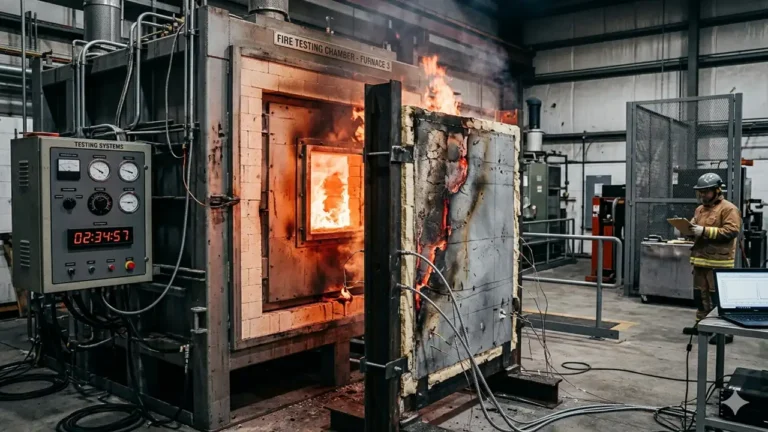
When integrating architectural salvage into structural frames, we perform comprehensive load-bearing assessments to ensure every piece meets or exceeds local building codes.

| Material Type | Primary Reuse Benefit | Typical Application |
| Reclaimed Bricks | Reduced Embodied Carbon | Non-load-bearing facades |
| Salvaged Steel | Lower Material Cost | Secondary structural framing |
| Recycled Aggregate | Waste Diversion | Base layers/fill concrete |
| Vintage Precast | Historic Preservation | Ornamental structural accents |
How to manage salvage during your build
Our field experience suggests that success depends on a systematic approach to dismantling and material management.
Follow these steps to ensure your site maximizes the utility of reclaimed components while maintaining structural integrity.
- Conduct an Initial Survey: Identify potential architectural salvage opportunities early in the design phase to avoid unnecessary demolition.
- Verify Material Quality: Every piece must undergo rigorous testing to ensure it can handle intended loads in your new structural framing design.
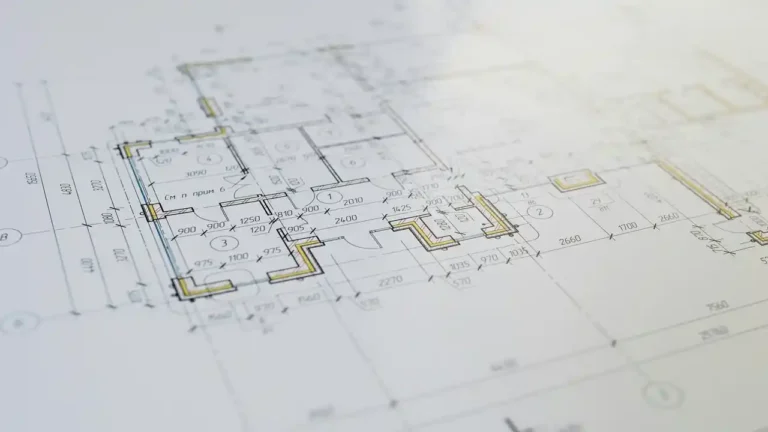
- Digital Documentation: Use BIM tools to track the history and specifications of each salvaged unit for future maintenance.
- Coordinate with Engineers: Work closely with structural engineers to certify that the integration of architectural salvage aligns with modern safety protocols.
- Clean and Prep: Ensure surfaces are properly prepared—especially if they will interact with fresh concrete or grout—to guarantee a strong mechanical bond.
Commercial Floor Care Services
What should builders look for moving forward?
Construction industry insiders are noting that the future of precast concrete will likely rely on these integrated loops.
While the process requires more upfront planning than traditional linear construction, the long-term benefits for project sustainability and building aesthetics are significant.
Our analysis suggests that firms capable of navigating the technical complexities of architectural salvage will maintain a competitive advantage in the Midwest market.
As we continue to refine our methods, we encourage all project stakeholders to prioritize transparency and material traceability in their next build.