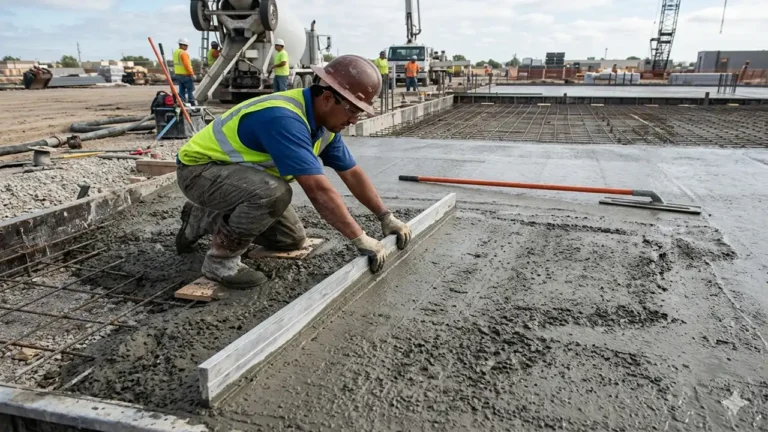

In this comprehensive guide, we will break down the characteristics of concrete sand, compare it to other popular types like masonry sand, and provide actionable tips on how to use it effectively in your next project.
What is Concrete Sand? Understanding the Basics
At its core, concrete sand is a coarse, washed sand that has been crushed and screened to a specific size. Unlike fine “play sand” found in sandboxes, this material is composed of larger, more angular particles. Usually sourced from gneiss, trap rock, or limestone, it is washed to remove silt and clay, ensuring a clean product that bonds effectively with cement.
The grit and texture are intentional. Because the grains are larger and irregular, they interlock under pressure. This mechanical bond provides the stability required for heavy-duty applications. According to industry standards maintained by organizations like the ASTM International, the gradation of the sand must meet specific requirements to ensure it can support the weight of a finished concrete slab.
Concrete Recycling Near Me: The Ultimate Guide to Sustainable Construction
Key Applications of Concrete Sand in Construction
Because of its versatility and strength, this material is a staple on almost every construction site. Here are the most common ways it is utilized:
1. Concrete Mixes
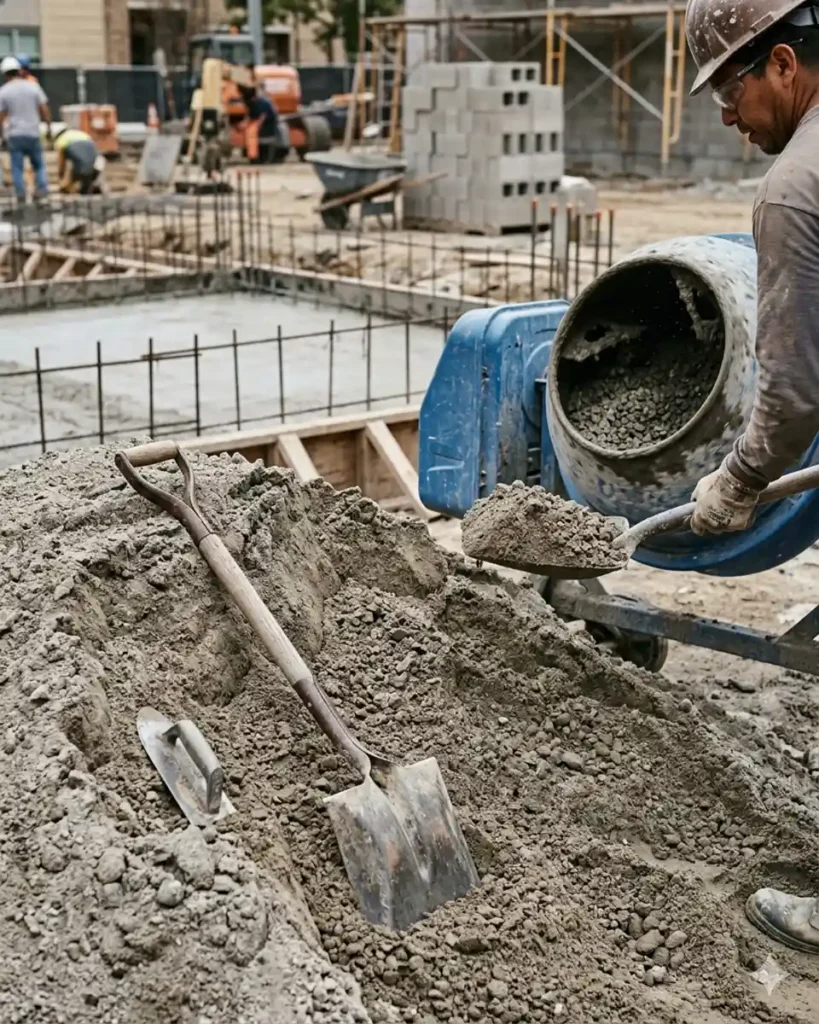
As the name suggests, its primary role is acting as a fine aggregate in concrete. When mixed with Portland cement, water, and larger gravel, concrete sand fills the voids between the larger rocks, creating a dense, solid mass.
2. Paver Base and Bedding
If you are laying a patio, you need a level surface that won’t shift over time. Concrete sand is the gold standard for paver bedding. Its coarse nature allows for excellent drainage, which prevents water from pooling and shifting your pavers during freeze-thaw cycles.
3. Underground Utility Backfill
Utility companies often use this sand to cushion pipes and electrical conduits. Since it is washed and free of large, sharp rocks, it provides a protective “envelope” that won’t puncture sensitive lines while allowing for natural soil movement.
Concrete Block Calculator: The Ultimate Guide to Estimating Your Project
Concrete Sand vs. Masonry Sand: Which Do You Need?
One of the most frequent questions in the building supply yard is whether to choose concrete sand or masonry sand. While they look similar to the untrained eye, their performance is vastly different.
- Concrete Sand: Coarse, gritty, and washed. It is designed for strength and drainage. Use this for paver bases, walkways, and structural concrete.
- Masonry Sand: Much finer and smoother. It is often used in mortar for brickwork or stone walls because it creates a more “buttery” consistency that is easier to spread with a trowel.
Using masonry sand for a paver base is a common mistake. Because masonry sand is so fine, it can wash away or settle unevenly, leading to a wavy patio within a few seasons. For load-bearing stability, always stick with concrete sand.
ConstructConnect: The Ultimate Guide to Modern Pre-Construction Success
The Benefits of Using High-Quality Washed Sand
Choosing a high-quality, washed concrete sand offers several long-term benefits for your project:
- Enhanced Durability: The lack of organic matter and silt means the chemical bond in your concrete mix will be much stronger.
- Superior Drainage: In landscaping, drainage is everything. The coarse grains allow water to permeate through the sand layer rather than trapping it against your foundation or under your pavers.
- Cost-Effectiveness: While it might be slightly more expensive than “fill sand,” the longevity it adds to your project saves money on repairs and replacements down the road.
Recent reports from the U.S. Geological Survey (USGS) highlight that the demand for high-quality industrial sand remains high due to its critical role in infrastructure resilience. Investing in the right grade today prevents structural failure tomorrow.
How Much Concrete Sand Do You Need?
Calculating the right amount of material is crucial to staying on budget. Sand is typically sold by the ton or by the cubic yard. To calculate your needs, use this simple formula:
(Length in feet x Width in feet x Depth in feet) / 27 = Cubic Yards
For a standard paver bedding layer, a depth of 1 inch is typical. However, for a leveling base over crushed stone, you might require 2 inches. Always order about 10% more than your calculation to account for compaction and settling.
Tradesmen International: Your Guide to Strategic Construction Staffing
Environmental Considerations and Sustainability
The construction industry is increasingly focusing on the environmental impact of aggregate mining. Sand is a finite resource, and the extraction process is under constant scrutiny. Leading researchers at Nature have pointed out that global sand scarcity is a growing concern, prompting many suppliers to look into recycled glass sand or crushed stone fines as alternatives.
When purchasing concrete sand, look for suppliers who practice responsible sourcing or offer recycled aggregate options. These materials often meet the same structural requirements while reducing the footprint of your build.

Tips for Working with Concrete Sand
To get the best results, keep these professional tips in mind:
- Keep it Dry: If you are mixing your own concrete, wet sand can throw off your water-to-cement ratio. Keep your pile covered with a tarp.
- Compaction is Key: When using it as a base, use a plate compactor. Even though the grains interlock, mechanical compaction ensures there are no hidden air pockets.
- Check for Purity: Rub a small amount of damp sand between your palms. If it leaves a heavy stain of mud or clay, it hasn’t been washed properly and may weaken your concrete.
FAQ
Can I use concrete sand for a beach or sandbox?
It is not recommended. Concrete sand is very coarse and can be abrasive on the skin. For play areas, you should look for “triple-washed play sand,” which has much smaller, rounded grains.
Is concrete sand the same as “screed sand”?
Generally, yes. In many regions, the terms are used interchangeably when referring to the sharp, coarse sand used for floor screeds and bedding.
Can I use it to level my lawn?
While it can be used, many landscapers prefer a mix of sand and organic compost. Using pure concrete sand on a lawn might lead to drainage that is too fast, causing the grass to dry out quickly.
Xactimate: The Ultimate Guide to Modern Construction Estimating in 2026
Build Better with the Right Aggregate
Success in construction starts from the ground up. By choosing concrete sand for your structural and bedding needs, you are ensuring that your project has the stability, drainage, and strength it needs to last for decades. From the secret ingredient in a perfect concrete pour to the invisible hero beneath your beautiful stone patio, this material is indispensable.
Ready to start your project? Before you dig, make sure you have your materials lined up. Contact your local aggregate supplier today to get a quote on bulk delivery of concrete sand and ensure your next build is set in stone literally.