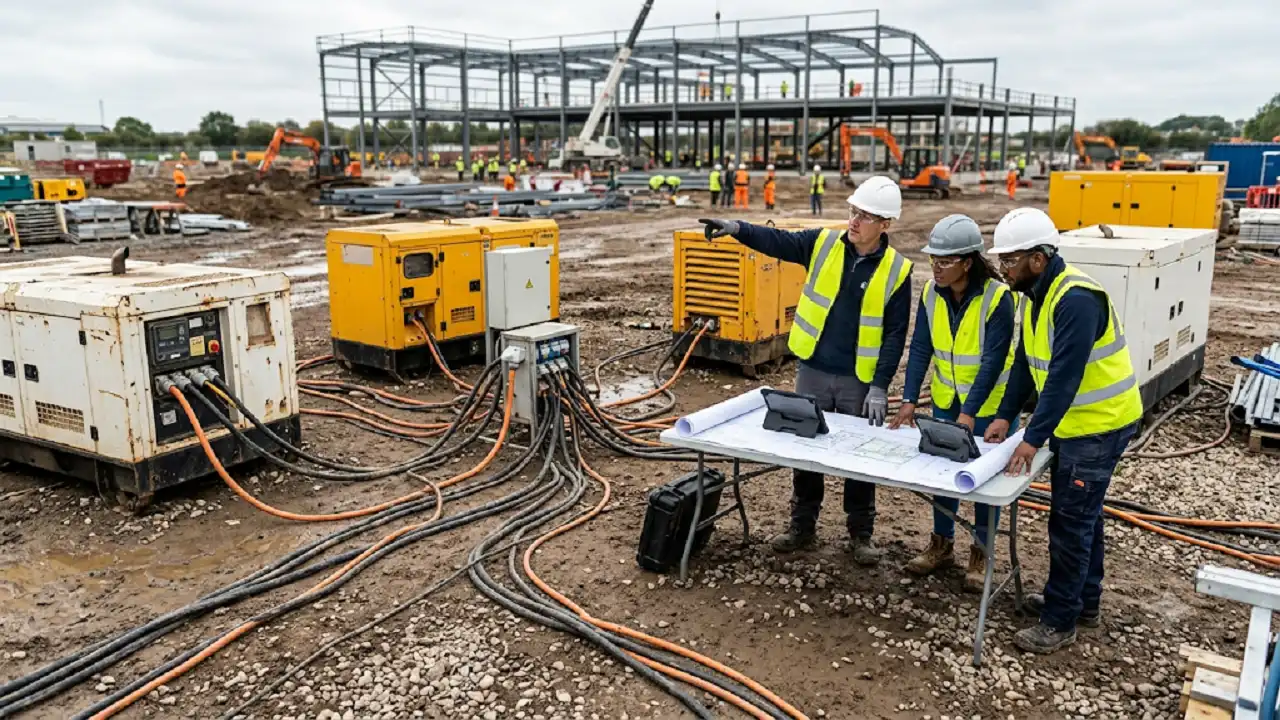
Construction projects rely on careful planning, strong coordination, and dependable equipment. While teams often focus on concrete, steel, and scheduling, temporary electrical infrastructure deserves the same attention. Reliable power keeps equipment running, supports job site operations, and helps projects stay on track from the earliest stages. Planning for cost-effective transformer rental for short-term power requirements can help contractors prepare for changing project needs without creating unnecessary delays.
Temporary Power Supports Every Phase of Construction
Many construction sites need electricity long before permanent utility service is available. Crews depend on power for lighting, tools, testing equipment, offices, security systems, and temporary facilities. Without a reliable source of electricity, daily work can slow or stop altogether.
Temporary power also plays an important role as projects grow. New phases may require additional equipment or different electrical loads than the original plan anticipated. Preparing for these changes early gives project teams more flexibility and reduces the risk of last-minute decisions.
When temporary power becomes part of the initial construction strategy, teams can coordinate installation, inspections, and equipment delivery more efficiently.
OAC Meaning Precast Contractor Must Know
Equipment Availability Can Affect the Schedule
Construction schedules often depend on materials arriving at the right time. Electrical equipment is no exception. Delays involving transformers or other power distribution equipment can affect commissioning, testing, and final occupancy.
Supply chain conditions can also change during the life of a project. Equipment that was expected within a few weeks may require much longer lead times. If teams have already considered temporary power options, they have more ways to keep work moving while permanent equipment is on the way.
This approach reduces uncertainty and allows contractors to adjust without interrupting critical project activities.
Rental Equipment Offers Valuable Flexibility
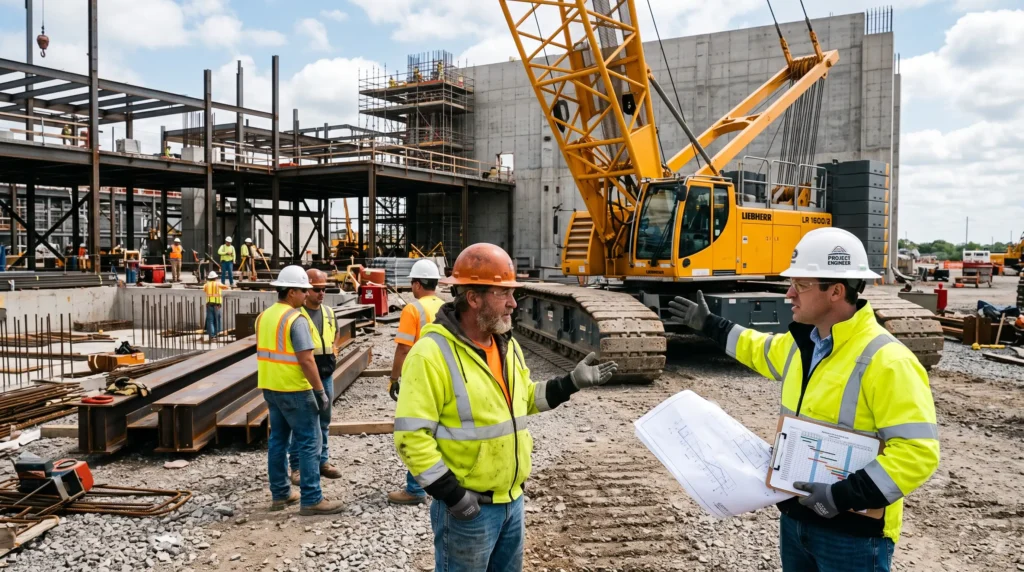
Every construction project is different. Some sites require temporary power for only a few weeks, while others need support for several months. Renting equipment allows contractors to match the solution to the actual project timeline.
Rental transformers can support construction during utility upgrades, equipment replacement, facility expansions, or scheduled maintenance. They also provide an effective option during testing and commissioning before permanent systems begin full operation.
Because the equipment serves a temporary purpose, renting often makes more practical sense than purchasing assets that may see limited future use.
Roughing House Frames Faster With Precast Structural Systems
Temporary Power Helps Manage Unexpected Changes
Even the best project plans can change. Weather, design revisions, utility coordination, and equipment availability all have the potential to shift construction schedules.
When these situations occur, project teams need solutions that can be deployed quickly. Temporary electrical infrastructure helps maintain productivity while permanent systems are completed or repaired.
This flexibility allows contractors to continue work instead of waiting for every part of the permanent electrical system to be available. It also supports phased construction, where different sections of a project become operational at different times.
Safety Depends on Proper Planning
Temporary power should receive the same level of attention as permanent electrical systems. Proper equipment selection, installation, and maintenance help create a safer working environment for everyone on the job site.
Project teams should evaluate expected electrical loads, environmental conditions, site access, and future changes before selecting temporary equipment. Clear communication between contractors, engineers, utilities, and equipment suppliers also helps prevent unnecessary complications.
A well-planned temporary power system supports both operational efficiency and job site safety throughout the construction process.
Guide to Mini Excavator Rental for Construction Success
Maintenance and Emergency Work Also Require Temporary Power
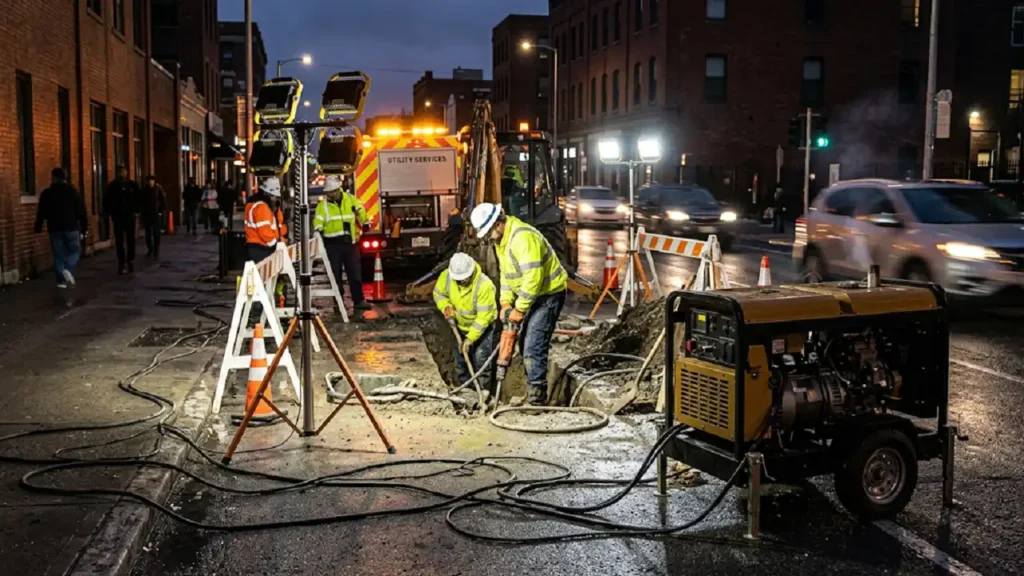
Construction is not the only situation where temporary transformers provide value. Existing commercial and industrial facilities often need reliable power during maintenance projects, equipment upgrades, or emergency repairs.
A planned shutdown may require temporary electrical service while permanent equipment is inspected or replaced. Unexpected equipment failures can create even greater urgency, especially when operations depend on continuous power.
Having access to temporary transformer solutions allows facility owners to reduce downtime and continue important activities while permanent repairs move forward.
Early Coordination Creates Better Results
Temporary power planning works best when it begins early. Contractors, engineers, owners, utility representatives, and equipment suppliers all benefit from discussing electrical requirements before construction reaches critical milestones.
These conversations help identify expected power demands, installation schedules, delivery timelines, and possible challenges. Early coordination also creates opportunities to compare equipment options and develop contingency plans if conditions change.
This level of preparation supports smoother project execution and gives decision makers more confidence throughout construction.
BIM Manager Insights: Smarter Workflows for Precast Concrete Structures
Reliable Planning Keeps Projects Moving
Every successful construction project depends on reducing unnecessary interruptions. Temporary electrical infrastructure may not receive the same attention as structural work or architectural finishes, yet it often plays an essential role in keeping projects productive.
Planning for temporary power before it becomes an urgent need gives contractors more flexibility, supports changing project conditions, and helps maintain construction schedules. Whether the project involves new development, facility expansion, scheduled maintenance, or emergency response, thoughtful preparation allows teams to focus on completing quality work while keeping operations moving forward.