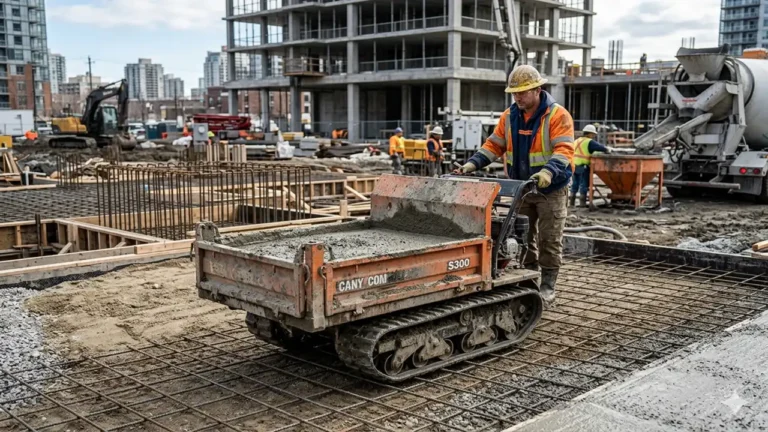

This is where construction management steps in. Far more than just supervising a job site, it is a specialized discipline that blends engineering precision, financial strategy, and leadership to bring complex blueprints to life.
Whether you are a developer looking to hire a team, an aspiring project manager, or an industry professional aiming to optimize your workflows, this comprehensive guide breaks down everything you need to know about navigating the modern building landscape.
The Ultimate Guide to the Concrete Saw: Master Your Next Project
What is Construction Management?
At its core, construction management is the professional practice of overseeing all aspects of a building project throughout its entire lifecycle, from initial drafting to final handover.
According to the official framework established by the Project Management Institute (PMI), this practice requires a multidisciplinary skillset encompassing finance, contract law, risk analysis, and real-time communication. Unlike traditional general contracting, a construction manager (CM) acts as a dedicated advisor to the project owner, ensuring that the design, procurement, and execution phases align seamlessly with the owner’s strategic objectives.
The Ultimate Goal of a Construction Manager
A skilled professional balances three competing forces, often referred to as the project management triple constraint:
- Cost: Keeping the project strictly within the approved financial scope.
- Time: Establishing realistic timelines and mitigating schedule disruptions.
- Quality: Ensuring structural integrity, regulatory compliance, and design fidelity.
The 6 Essential Stages of the Construction Lifecycle
Every successful build moves through a structured, chronological lifecycle. Skipping or rushing any of these phases is a primary driver of project failure.
1. Conception and Design
Every project begins as a concept. During this phase, the project owner works closely with architects and engineers to establish project feasibility and map out preliminary sketches. Detailed schematics are drawn up, outlining structural dimensions and engineering requirements.
2. Pre-Construction Planning
Before ground is broken, the construction management team creates a comprehensive Project Management Plan (PMP). This roadmap outlines project milestones, safety protocols, and roles. The team conducts intensive site examinations, including critical soil testing, to detect environmental hazards early.
Construction Enquirer: Your Essential Guide to the UK Building Industry

3. Material and Labor Procurement
With plans approved, the procurement phase begins. The team secures the workforce, heavy machinery, and raw building materials. Due to widespread volatility in global supply chains, modern managers must negotiate volatile material prices early to shield the project budget from sudden spikes.
4. Execution and On-Site Construction
This is where the blueprints become a physical reality. Contractors clear the site, lay foundations, and erect the structural framework. The manager maintains constant oversight, conducting routine quality control checks and ensuring strict adherence to site safety guidelines.
5. Project Commissioning
Once the physical structure is complete, the building undergoes rigorous testing. Commissioning agents inspect mechanical, electrical, and plumbing (MEP) systems to verify they function safely and efficiently according to specifications.
6. Project Closure and Handover
The final phase involves executing a punch list (a checklist of remaining minor repairs), conducting final city inspections, and closing out financial accounts. Once everything satisfies local regulatory codes, the keys and operational manuals are handed over to the owner.
Caldwell Construction Administration: The Key to a Seamless Build
Common Pain Points in Construction Management (And How to Fix Them)
Managing a project is rarely smooth sailing. The industry faces persistent hurdles, but proper strategic foresight can mitigate these challenges before they derail operations.
Controlling Cost Overruns and Scope Creep
Unplanned costs are a constant threat to profitability. Recent market data from Deloitte indicates that firms frequently grapple with material price inflation and tightened margins.
- The Fix: Implement a formal change management system. Any alteration to the original design must undergo a strict approval workflow with a documented budget adjustment before work begins.
Overcoming Chronic Schedule Delays
Weather disruptions, late material deliveries, and labor shortfalls can quickly cause a schedule to slip.
- The Fix: Build realistic buffers into your critical path method (CPM) schedules. Using cloud-based construction management platforms allows off-site managers and field crews to log delays instantly, triggering real-time adjustments to subsequent workflows.
Warwick Ward Construction Firm Collapse: What Went Wrong and What It Means for the Industry
Navigating Acute Labor Shortages
Finding specialized talent has become an industry-wide bottleneck. Reports from the World Economic Forum highlight a major global workforce shift, driving a massive demand for advanced resilience, flexibility, and technological agility skills on-site.
- The Fix: Invest in cross-training existing teams and offer competitive compensation packages. Many firms are turning to modular prefabrication (building components off-site in controlled environments) to reduce their reliance on scarce local field labor.
Technology Reshaping the Building Industry
The days of tracking multimillion-dollar projects on fragmented spreadsheets are coming to an end. Digital transformation is actively rewriting how project teams coordinate.
| Technology Type | Primary Use Case | Core Benefit |
|---|---|---|
| BIM (Building Information Modeling) | 3D virtual modeling and clash detection | Catches design errors before pouring concrete |
| Cloud-Based CM Software | Centralized documentation and RFIs | Provides a single source of truth for all stakeholders |
| Mobile Field Apps | On-site photo logging and daily updates | Eliminates communication lag between field and office |
| Drones & LiDAR | Aerial site mapping and progress tracking | Automates surveying and improves site safety |
Furthermore, investment in robust tech stacks is accelerating rapidly. According to McKinsey, advanced workflow tools and agentic AI systems are shifting the industry beyond isolated solutions toward full workflow automation, unlocking unprecedented operational efficiency.
Key Certifications for Professional Managers
If you want to excel in the field, validating your skills with recognized credentials can dramatically boost your professional authority.
- PMI-CP (PMI Construction Professional): This credential focuses heavily on contract management, stakeholder engagement, and scope control on complex capital projects.
- CCM (Certified Construction Manager): Offered by the Construction Management Association of America (CMAA), this is the gold standard for verifying a manager’s qualifications to lead public and private infrastructure builds.
The Ultimate Guide to Construction Paper: Creativity and Crafting Essentials
The Path to Successful Project Delivery
Ultimately, world-class construction management relies on strong communication, deep risk awareness, and adaptability. By treating the project lifecycle as an integrated system, setting realistic budgets, and embracing modern digital tools, you can confidently steer any project to a successful, on-time completion.
Ready to optimize your next building project? Partner with an experienced construction management professional today to safeguard your investments and turn your architectural visions into reality.