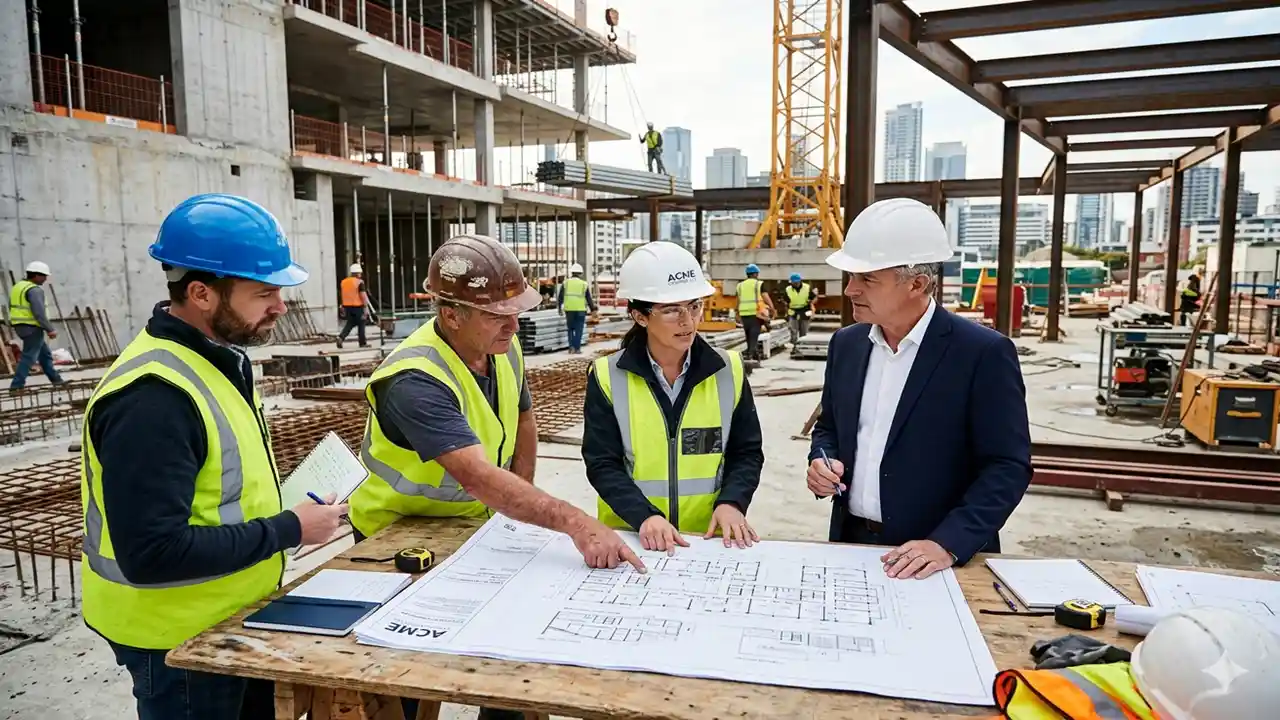
What Does a Commercial Contractor Actually Do?
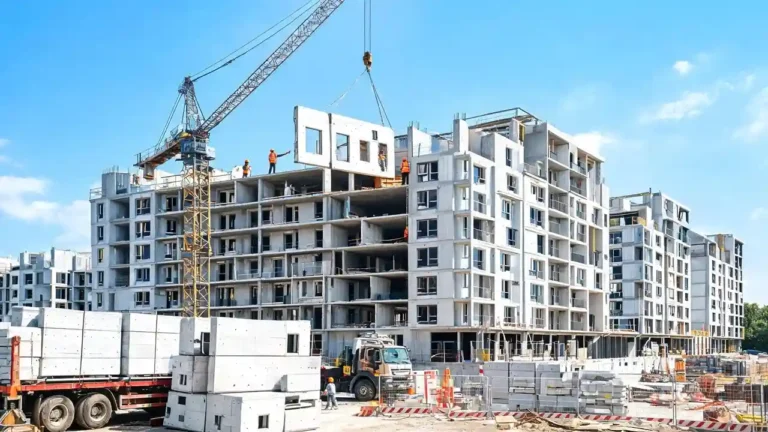
Many people confuse residential builders with those in the commercial sector. While both handle wood, steel, and concrete, a commercial contractor operates on an entirely different scale. They specialize in structures used for business think offices, schools, hospitals, and shopping centers.
A lead contractor acts as the “conductor” of the construction orchestra. Their responsibilities include:
- Project Management: Overseeing the timeline and ensuring milestones are met.
- Subcontractor Coordination: Hiring and managing electricians, plumbers, and specialized technicians.
- Permitting and Compliance: Navigating the complex web of local building codes and zoning laws.
- Material Procurement: Sourcing high-grade materials that meet safety standards.
Why Commercial Expertise Matters
Unlike a home renovation, commercial builds must adhere to strict ADA (Americans with Disabilities Act) requirements, advanced fire safety protocols, and heavy-duty electrical loads. A qualified commercial contractor ensures your building isn’t just beautiful, but legally compliant and safe for public use.
The Different Types of Commercial Construction Services
Before you sign a contract, it is helpful to know what kind of service delivery model fits your needs. Most projects fall into these categories:
Australia Construction Industry News Today
1. Design-Build
In this model, you hire one firm that handles both the architectural design and the actual construction. This often leads to better communication and fewer “finger-pointing” sessions if a problem arises.
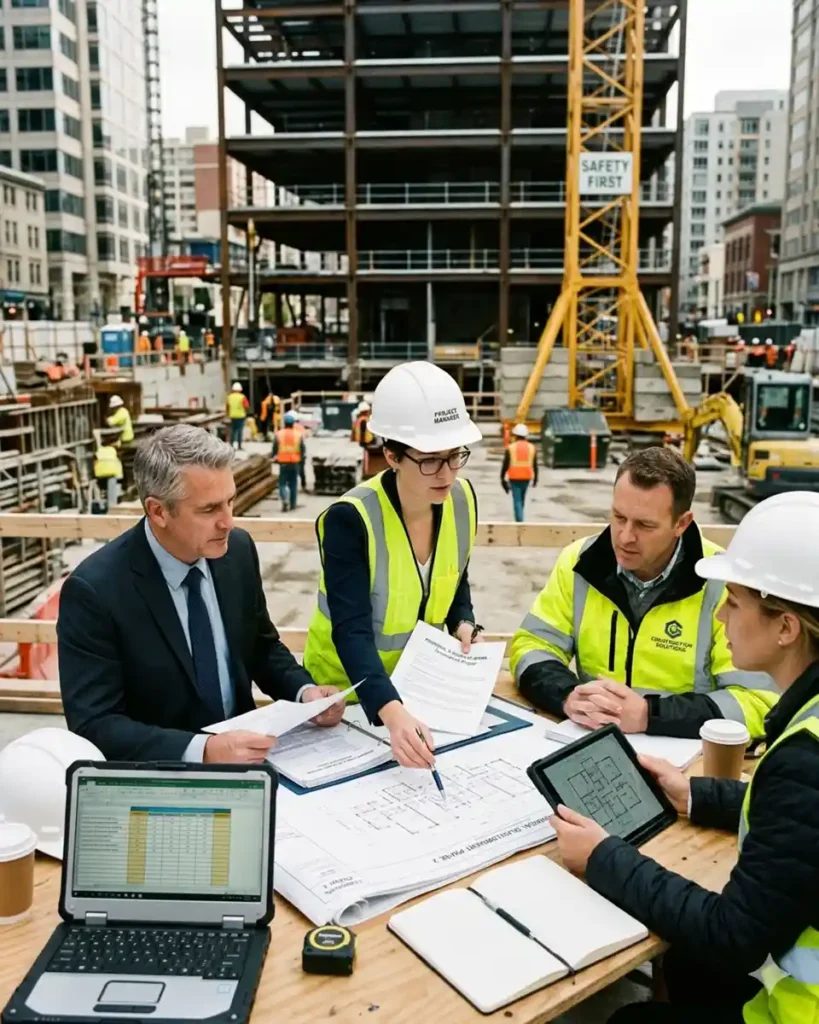
2. Design-Bid-Build
This is the traditional route. You hire an architect to create the plans, then you put those plans out to various companies. You then select the commercial contractor who provides the best value or lowest bid.
3. Tenant Improvements (Build-Outs)
If you are moving into a pre-existing space (like a shell in a mall), you need a contractor who specializes in “fit-outs.” They transform a blank concrete box into a functional business environment.
How to Vet a Commercial Contractor: Key Qualifications
Don’t just go with the first name that pops up in a search engine. To ensure your project stays on track, look for these three pillars:
- Licensing and Insurance: Never compromise here. Ensure they have general liability insurance and workers’ compensation.
- Relevant Portfolio: If you are building a medical clinic, ask to see previous healthcare projects. Building a sterile environment is very different from building a restaurant.
- Financial Stability: Large projects require significant cash flow. A reputable commercial contractor should have strong relationships with banks and suppliers.
Pro Tip: Ask for a list of recent clients and actually call them. Ask about the “hidden” stuff: Did the contractor stay on budget? How did they handle unexpected delays?
New Construction Homes Sale Near Me
Navigating Costs and Budgeting
The question everyone asks is: “How much will this cost?“ While prices vary wildly based on location and materials, a commercial contractor typically works with two types of fee structures:
- Fixed Price (Lump Sum): The contractor provides a set price for the entire project. This puts the risk on the contractor but may lead to higher initial quotes to cover “unknowns.”
- Cost-Plus: You pay for the actual cost of materials and labor, plus a pre-agreed-upon fee (percentage) for the contractor’s overhead and profit. This is more transparent but requires careful tracking of receipts.
Controlling “Scope Creep”
One of the biggest budget killers is “scope creep” where small changes eventually lead to massive cost overruns. A professional commercial contractor will use a formal “Change Order” process to document every shift in the plan, ensuring there are no surprises when the final bill arrives.
Texas Built Construction Lawsuit
The Phases of a Commercial Construction Project
Understanding the timeline helps you manage your own business operations during the build.
Pre-Construction
This is the “brain work” phase. Your commercial contractor will conduct site assessments, finalize budgets, and secure the necessary permits. This is the best time to iron out any concerns.
The Construction Phase
This is where the dirt flies. From groundbreaking to framing and finishing, communication is key here. Expect weekly progress meetings to stay updated on the schedule.
Post-Construction and Closeout
Once the building is standing, the work isn’t done. The “punch list” identifies minor fixes needed before the final walkthrough. Your commercial contractor will also provide “as-built” drawings and operation manuals for your building’s systems.
FAQ
What is the average timeline for a commercial project?
Small office renovations might take 3-5 months, while new ground-up constructions often range from 10 to 24 months. Your commercial contractor should provide a Gantt chart or schedule during the bidding phase.
How do I know if a contractor is overcharging?
The best way to gauge fair market value is to solicit at least three detailed bids. If one bid is significantly lower than the others, be wary—they may be cutting corners or missing something in the project scope.
China Underground Military Hub Construction
Does a commercial contractor handle interior design?
Some do (especially design-build firms), but many focus strictly on the structural and mechanical aspects. Always clarify who is responsible for selecting finishes like flooring, lighting fixtures, and paint colors.
Building Your Future
Selecting a commercial contractor is more than just a business transaction; it is a partnership. The right professional won’t just build walls; they will provide the foundation for your business’s future growth. By focusing on transparency, verified experience, and clear communication, you can turn a complex construction process into a rewarding success.