When you envision your dream home, you probably think about the kitchen island, the wrap-around porch, or the floor-to-ceiling windows. Rarely does anyone daydream about the dirt and cement buried five feet underground. However, Footings Foundations and Concrete are the most critical components of any structure.
Without a properly engineered base, even the most luxurious mansion is just a ticking clock of cracks, shifts, and structural headaches. Whether you are a homeowner planning an extension or a DIY enthusiast looking to understand the “bones” of a building, this guide breaks down everything you need to know about the trio that keeps your roof over your head.
The Anatomy of a Build: What are Footings Foundations and Concrete?
To understand how a house stays upright, you have to look at it from the bottom up. While people often use the terms interchangeably, they serve very different roles.
What are Footings?
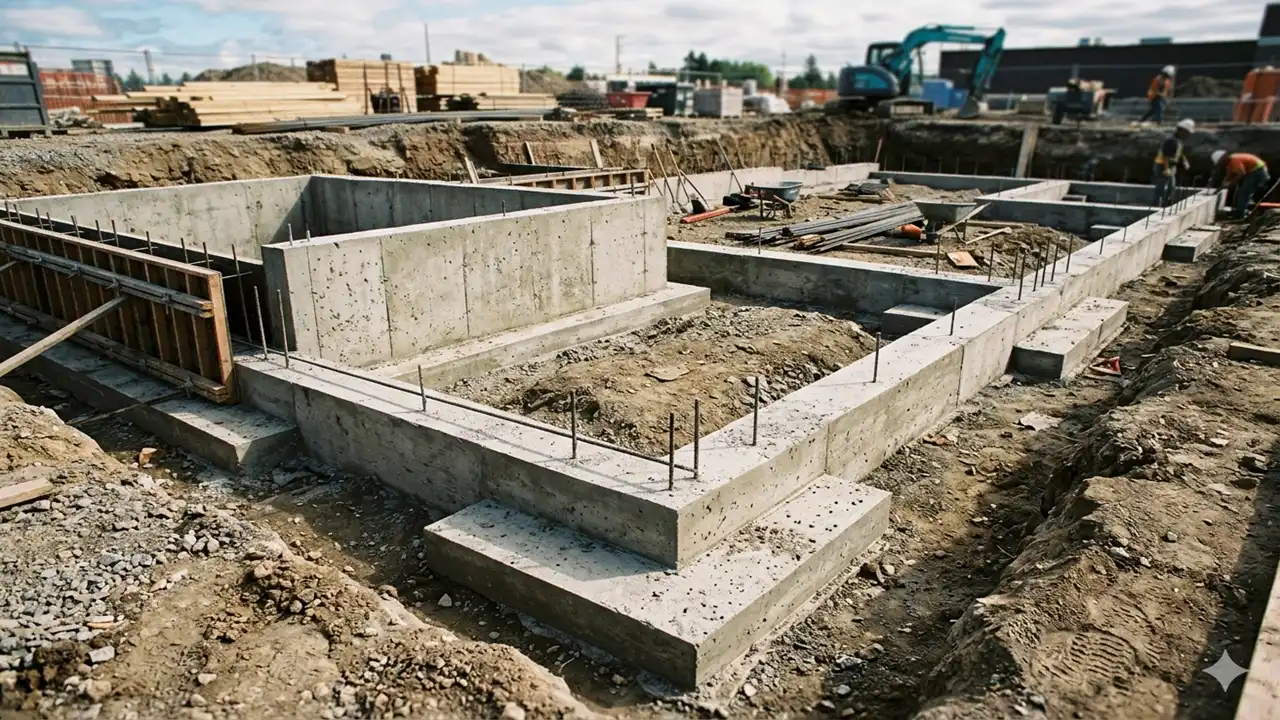
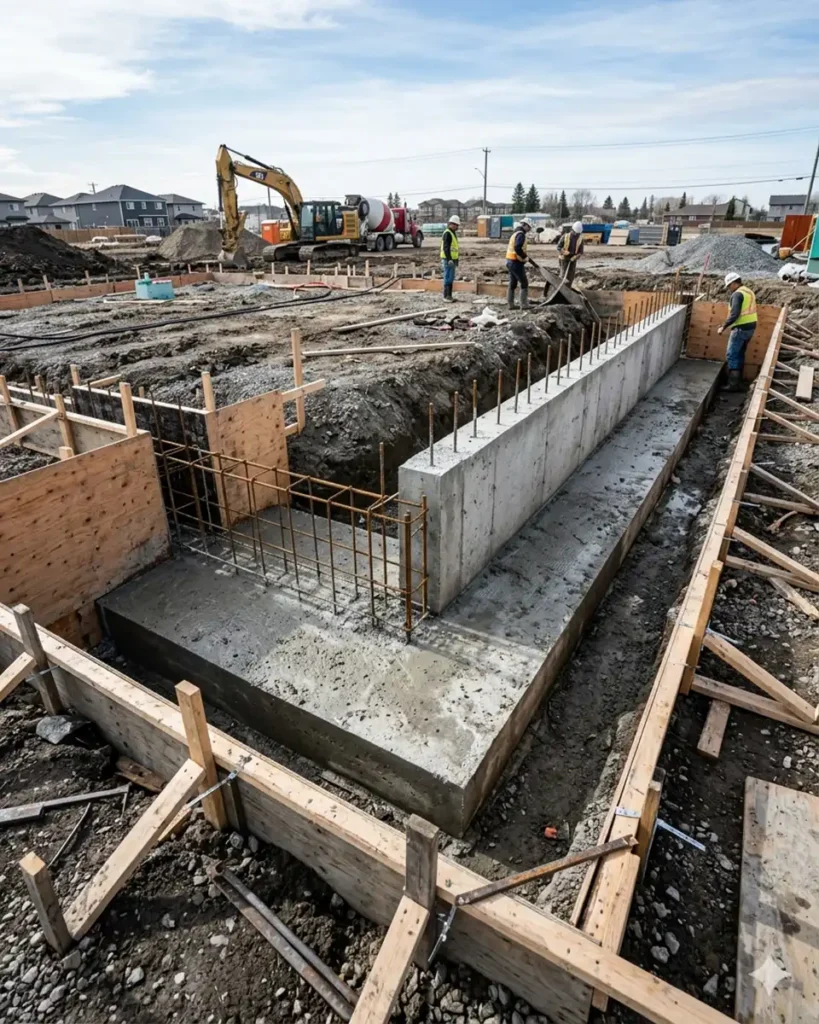
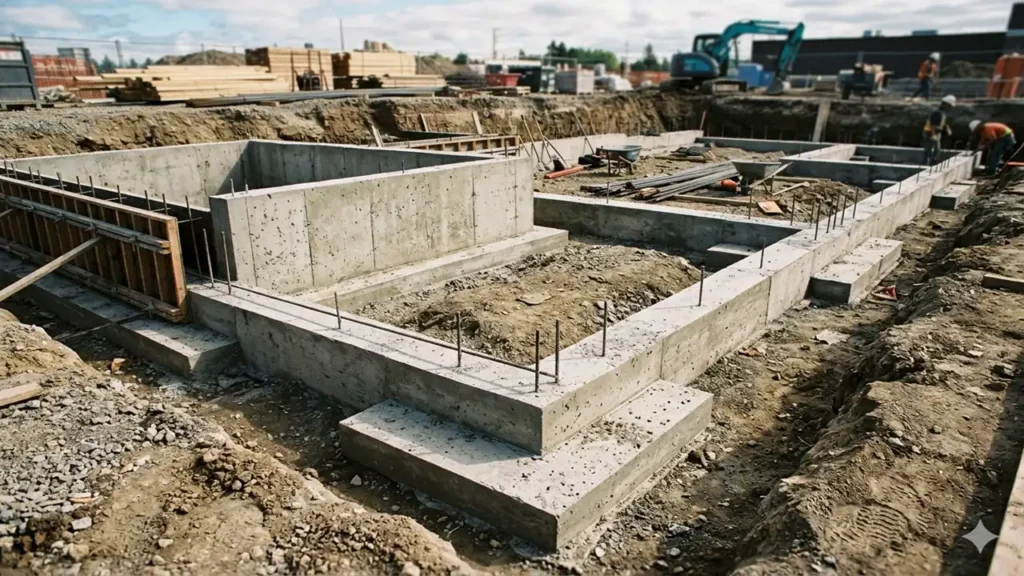
Think of footings as the “feet” of your house. Just as your feet spread your body weight so you don’t sink into soft sand, footings distribute the load of the entire building into the soil. They are typically wider than the foundation walls they support and are poured into trenches below the frost line to prevent shifting during freeze-thaw cycles.
The Foundation Wall
The foundation sits directly on top of the footings. It acts as the “legs,” providing the height and the skeleton for the rest of the house. It resists the lateral pressure from the surrounding soil and keeps moisture out of your basement or crawlspace.
The Role of Concrete
Concrete is the lifeblood of this system. It is a composite material made of water, aggregate (rock and sand), and cement. When reinforced with steel (rebar), footings, foundations, and concrete become a formidable team capable of withstanding thousands of pounds of pressure for decades.
Concrete Price per Yard: A Complete Guide to Costs and Planning
Why Soil Quality Dictates Your Foundation Choice
Before a single drop of concrete is poured, an expert must look at the dirt. The relationship between Footings Foundations and Concrete depends entirely on the ground they sit on.
- Sandy Soil: Great for drainage but can shift easily.
- Clay Soil: Expands when wet and shrinks when dry, putting immense pressure on foundation walls.
- Bedrock: The gold standard for stability, though it often requires blasting or specialized drilling.
If the soil is “soft,” engineers might design wider footings or use specialized concrete additives to ensure the house doesn’t settle unevenly.
Common Types of Concrete Foundations
Depending on your climate and budget, your project will likely use one of these three common setups:
1. T-Shaped Foundations
Used in areas where the ground freezes. The footing is placed below the frost line, and then the walls are added on top. This creates a shape that looks like an inverted “T.”
2. Slab-on-Grade
A single layer of concrete that is several inches thick. The edges of the slab are often thicker to act as the footing. This is common in warmer climates where ground freezing isn’t an issue.
3. Frost-Protected Foundations
These use insulated concrete forms to protect the Footings Foundations and Concrete from cold temperatures, allowing for shallower builds even in chilly environments.
The Pouring Process: Getting it Right the First Time
A foundation is one of the few things in construction you can’t “fix” easily later. The process involves several high-stakes steps:
- Excavation: Digging to the correct depth and ensuring the trench is level.
- Forming: Setting up the “molds” that will hold the wet concrete in place.
- Rebar Placement: Adding steel rods to give the concrete tensile strength.
- The Pour: Ensuring the Footings Foundations and Concrete are poured continuously to avoid “cold joints,” which are weak spots where new concrete meets old.
- Curing: Concrete doesn’t just “dry”; it undergoes a chemical reaction. Keeping it moist and at the right temperature for several days is vital for maximum strength.
Maintenance and Signs of Foundation Trouble
Even the best footings, foundations, and concrete work can face issues over time due to natural erosion or extreme weather. Homeowners should keep an eye out for:
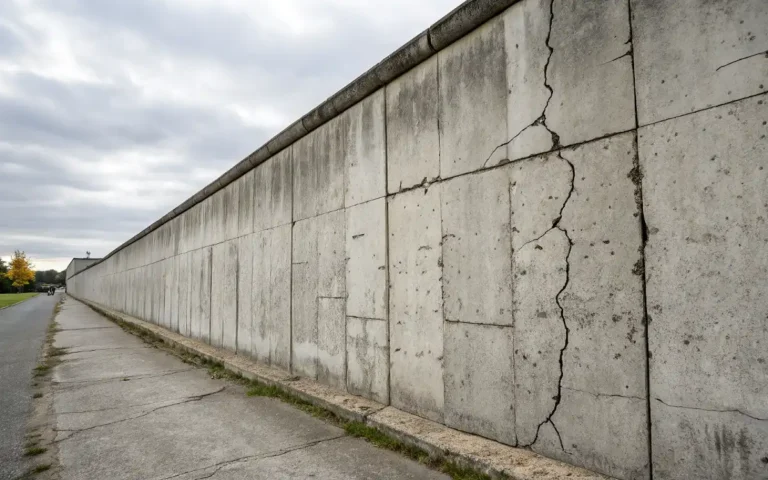
- Horizontal Cracks: Often a sign of hydrostatic pressure (water pushing against the wall).
- Doors that Stick: If your interior doors suddenly won’t close, the foundation may be settling.
- Water Seepage: Dampness in the basement usually indicates a failure in the foundation’s waterproofing layer.
Pro Tip: Ensure your gutters discharge water at least 5 to 10 feet away from your home to prevent soil saturation around your footings.
FAQ
How deep should footings be?
Footings must be placed below the local “frost line“—the depth to which the ground freezes in winter. This prevents “frost heave,” which can literally lift a house off its base.
Can I pour my own concrete foundation?
While small projects like shed pads are DIY-friendly, a home foundation requires heavy machinery, precise engineering, and strict adherence to local building codes. It is almost always best left to professionals.
What is the lifespan of a concrete foundation?
When properly designed and maintained, Footings Foundations and Concrete can last 80 to 100 years or more.
Start from the Ground Up
Investing time and resources into high-quality Footings Foundations and Concrete is the best insurance policy you can buy for your home. By understanding how these elements interact with the soil and the environment, you ensure that your building remains level, dry, and safe for generations to share.