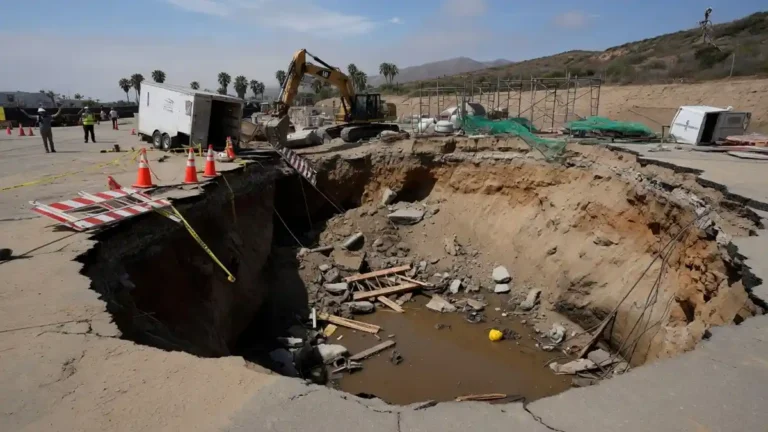

Aging public systems rarely fail all at once. They fail slowly, until a regulator forces the repair. That is the pattern behind enforcement actions California government infrastructure upgrades legal and administrative orders that compel cities to rebuild failing water, sewer, and structural systems on a deadline. At midwestprecastcontractor.com, we track these cases because the same compliance pressure now shapes public projects across Des Moines, Milwaukee, Ankeny, and West Des Moines.
Enforcement is no longer a distant threat. When a regulator files a complaint, municipalities move from “planned maintenance” to “court-ordered construction” fast.
This guide breaks down how that happens and how to build for it.
- Enforcement actions convert deferred maintenance into mandatory, deadline-driven upgrades.
- California’s Water Boards issued 260 wastewater enforcement actions in 2023, with over $6M in penalties.
- Precast concrete shortens compliance timelines by moving fabrication off-site and off the critical path.
Used Heavy Construction Equipment for Midwest Precast Projects
The Problem With the Traditional Approach
The traditional approach to public infrastructure is reactive, and that is exactly why it fails. Cities defer upgrades until systems break or a regulator intervenes then rush construction under penalty deadlines they never planned for.
Cast-in-place concrete (poured on-site) makes that rush worse. It depends on weather, curing time, and continuous labor, all of which slow a project when speed matters most.
Our crews observed this firsthand on a Midwest municipal water project: a site-poured containment structure lost three weeks to spring rain, pushing the contractor dangerously close to a compliance milestone. Precast panels would have been fabricated indoors, unaffected.
The American Society of Civil Engineers is blunt about the backlog. ASCE reports that decades of underinvestment have left much of the nation’s water and wastewater infrastructure near the end of its service life, requiring sustained capital reinvestment to avoid failure. Deferral, in other words, is a bill that always comes due.
Audit your public projects for deferred-maintenance risk before a regulator does it for you.
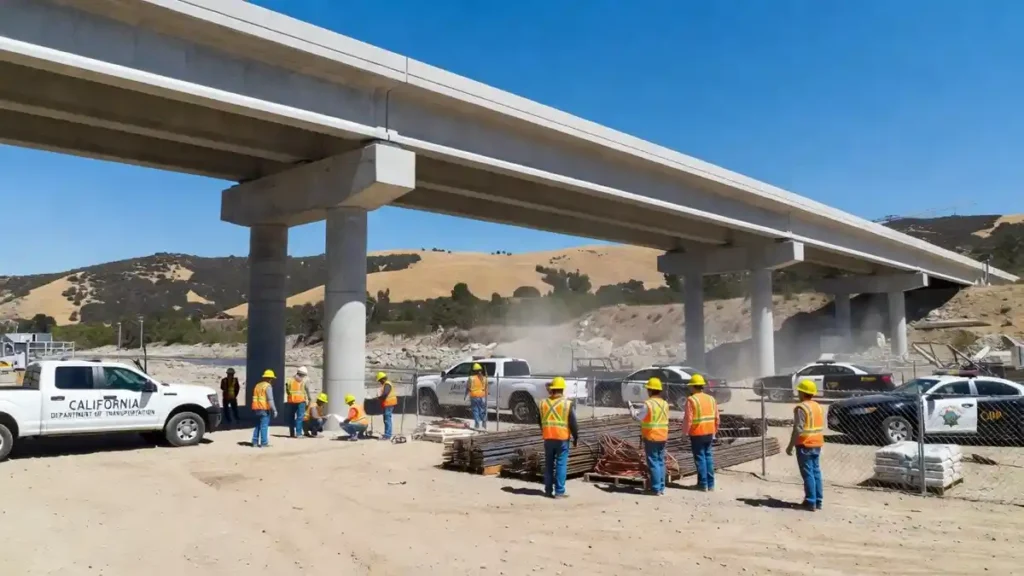
How Enforcement-Driven Infrastructure Upgrades Work
Enforcement-driven upgrades follow a predictable legal mechanism. A government agency documents violations, files or issues an action, and secures a binding order that requires physical construction on a fixed schedule.
The Regulatory Trigger
The trigger is a documented, repeated violation. Regulators build a case over years of monitoring data, then act when a system consistently fails its permit limits.
The San Francisco case shows the scale. According to the EPA, the Department of Justice and California’s Attorney General filed a complaint against San Francisco for discharging more than 1.8 billion gallons of untreated sewage each year since 2016, seeking penalties and mandatory wastewater infrastructure upgrades. Read the full EPA enforcement announcement.
The Compliance Response
The compliance response is court-ordered construction. Once an order lands, the city must design, permit, and build upgraded systems — often on timelines far tighter than routine capital planning allows.
That timeline pressure is why fabrication method matters. California’s Water Boards took 260 wastewater enforcement actions in 2023 and assessed over $6 million in penalties, and every one of those cases translated into deadline-bound building work.
Map your project’s likely enforcement deadline before you choose a construction method.
Shasta County Major Projects Construction 2025 2026
Traditional vs. Compliance-Driven Infrastructure
| Factor | Traditional (Reactive) | Compliance-Driven (Modern) |
|---|---|---|
| Trigger | Visible failure | Regulatory order |
| Timeline | Open-ended | Fixed, penalty-backed |
| Method | Cast-in-place | Precast, off-site fabrication |
| Weather risk | High | Low |
| Penalty exposure | Rising | Actively reduced |
Methods for Compliance-Ready Construction
| Type | Mechanism | Best Use Case |
|---|---|---|
| Precast Concrete | Off-site casting, on-site set | Tight compliance deadlines |
| Structural Framing | Prefabricated load-bearing members | Fast vertical builds |
| Formwork Systems | Reusable molds for repeatable pours | Large, uniform structures |
Enforcement Actions California Government Infrastructure Upgrades
— US News (@Us_news_ways) September 17, 2026
That is the pattern behind enforcement actions California government infrastructure upgrades legal and administrative…@cagdasgfb1907 @CAgovernor @CaltransDist3 https://t.co/eRZ8IuAHET
2026 Cost Overview
Compliance-driven precast infrastructure runs a defined range. Expect $150 to $400 per square foot for public structural work in 2026, depending on scope and finish.
The cost splits predictably:
- Foundation and structure: ~60%
- Finishing: ~25%
- Design and permits: ~15%
Request an itemized bid so penalty-avoidance timelines are priced in, not assumed.
Step-by-Step Compliance Upgrade Process
- Review the order. Confirm the exact deadline and scope the regulator requires.
- Assess the system. Document current condition and identify failing components.
- Design for fabrication. Engineer components for off-site precast to protect the schedule.
- Secure permits. File early; permitting is the most common hidden delay.
- Fabricate and set. Cast precast elements indoors while site prep runs in parallel.
- Verify and report. Confirm compliance and submit documentation to the agency.
Earman River Bridge Widening Cost North Palm Beach
Pros and Cons
Pros
- Meets penalty deadlines with predictable timelines
- Reduces weather and labor risk
- Delivers consistent, factory-controlled quality
- Runs fabrication parallel to site work
Cons
- Higher upfront design coordination
- Requires crane access for large panels
- Transport logistics for oversized elements
- Less flexibility for late design changes
Case Study: San Francisco Sewer Enforcement
The San Francisco case is the clearest example of enforcement forcing upgrades. The EPA and California filed a federal complaint over 1.8 billion gallons of untreated sewage discharged annually since 2016 from the city’s combined sewer systems.
The city’s controls were completed over 25 years ago and never significantly updated leaving them unable to meet permit requirements. The action seeks penalties plus mandatory construction of upgraded wastewater infrastructure. Decades of deferral became a court-ordered rebuild.
How Midwest Precast Contractor Applies This
We build for compliance deadlines, not open-ended schedules. Our core services are designed to keep public projects ahead of enforcement pressure.
- Precast Concrete: Fabricated off-site so weather and labor never stall your deadline.
- Structural Framing: Prefabricated members that speed load-bearing construction.
- Formwork Systems: Reusable molds that deliver uniform, high-volume results fast.
Each service compresses the critical path the exact advantage a penalty-backed timeline demands.
Construction Debris Removal for Midwest Job Sites
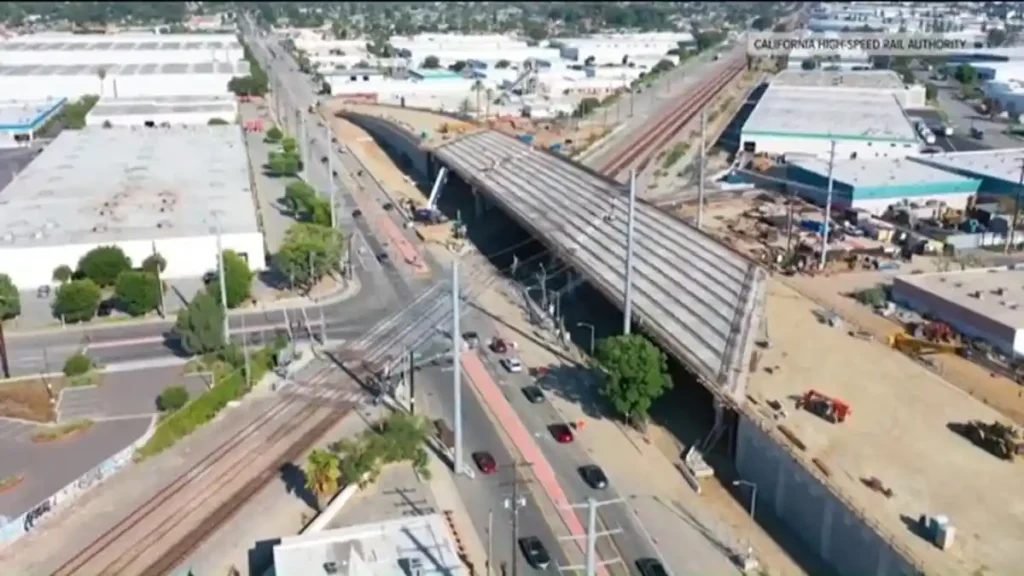
Common Mistakes
- Waiting for failure instead of upgrading during planned maintenance.
- Choosing cast-in-place for weather-exposed compliance projects.
- Underestimating permitting, the single most common schedule killer.
- Skipping documentation, which regulators require to close an action.
FAQ
What are enforcement actions for California government infrastructure upgrades?
They are legal orders requiring cities to rebuild failing systems on a deadline. Regulators use them when violations repeat over time.
Why do enforcement actions trigger infrastructure upgrades?
Because orders require physical construction, not just fines. Cities must build compliant systems by a fixed date.
How many enforcement actions does California issue?
California’s Water Boards issued 260 wastewater enforcement actions in 2023, with over $6M in penalties.
Does this affect Midwest projects?
Yes. The same compliance-first model shapes public work in Des Moines, Milwaukee, and beyond.
Is precast faster for compliance deadlines?
Yes. Off-site fabrication runs parallel to site prep, protecting penalty-backed schedules.
Final Thought
Enforcement actions California government infrastructure upgrades share one lesson for every municipality: deferred maintenance eventually becomes court-ordered construction. When that happens, method decides whether you meet the deadline.
Midwest Precast Contractor delivers Precast Concrete, Structural Framing, and Formwork Systems built to compress timelines and reduce penalty risk across Des Moines, Milwaukee, Ankeny, and West Des Moines.