Construction projects depend on accurate information from the very beginning. While drawings often receive the most attention, specifications play an equally important role in defining materials, installation methods, quality standards, and project expectations. Resources that help teams review construction specs can support a clearer understanding of these requirements before work begins, helping project teams make informed decisions throughout the construction process.
Specifications Create a Common Understanding
Construction projects bring together owners, architects, engineers, contractors, subcontractors, and suppliers. Each group contributes to the success of the project, but everyone must work from the same set of expectations.
Specifications provide that shared foundation. They explain how materials should perform, how products should be installed, what testing is required, and which standards the finished work must meet.
When specifications are clear, every participant has a reliable reference. This shared understanding supports better communication and reduces uncertainty as work moves forward.
Material Selection Begins With Good Specifications
Choosing the right materials involves more than selecting products that look appropriate on paper. Performance, durability, compatibility, maintenance, and regulatory requirements all influence whether a material is suitable for a project.
Specifications describe these expectations in detail. They identify approved products, required performance levels, acceptable substitutions, and installation requirements that support long-term success.
This information helps contractors, suppliers, and manufacturers align their work with the project’s overall objectives before materials arrive on site.
Clear Requirements Reduce Rework
Construction errors often begin long before crews start building. Unclear requirements, conflicting specifications, or missing information can lead to misunderstandings that affect the entire project.
Resolving these issues during planning is usually far easier than correcting completed work. Teams that identify inconsistencies early can clarify expectations, coordinate responsibilities, and confirm product selections before schedules become more difficult to adjust.
Reducing rework also helps control labor costs, material waste, and project delays while improving overall quality.
Specifications Support Better Coordination
Many construction activities depend on multiple trades working together. Structural systems, mechanical equipment, electrical components, finishes, and specialty products often interact throughout the building.
Specifications help explain how these systems should work together. They define responsibilities, establish performance expectations, and identify important coordination requirements between different trades.
When everyone understands these relationships, project teams can avoid unnecessary conflicts and improve communication throughout construction.
Precast Construction Depends on Accuracy
Precast construction demonstrates the importance of detailed specifications. Components are manufactured before arriving on site, leaving limited opportunities for changes after production begins.
Accurate specifications help manufacturers understand dimensional requirements, material properties, reinforcement details, finishes, handling procedures, and installation expectations before fabrication starts.
This level of clarity supports quality production while helping contractors coordinate delivery, lifting operations, and installation with greater confidence.
Early Review Improves Project Planning
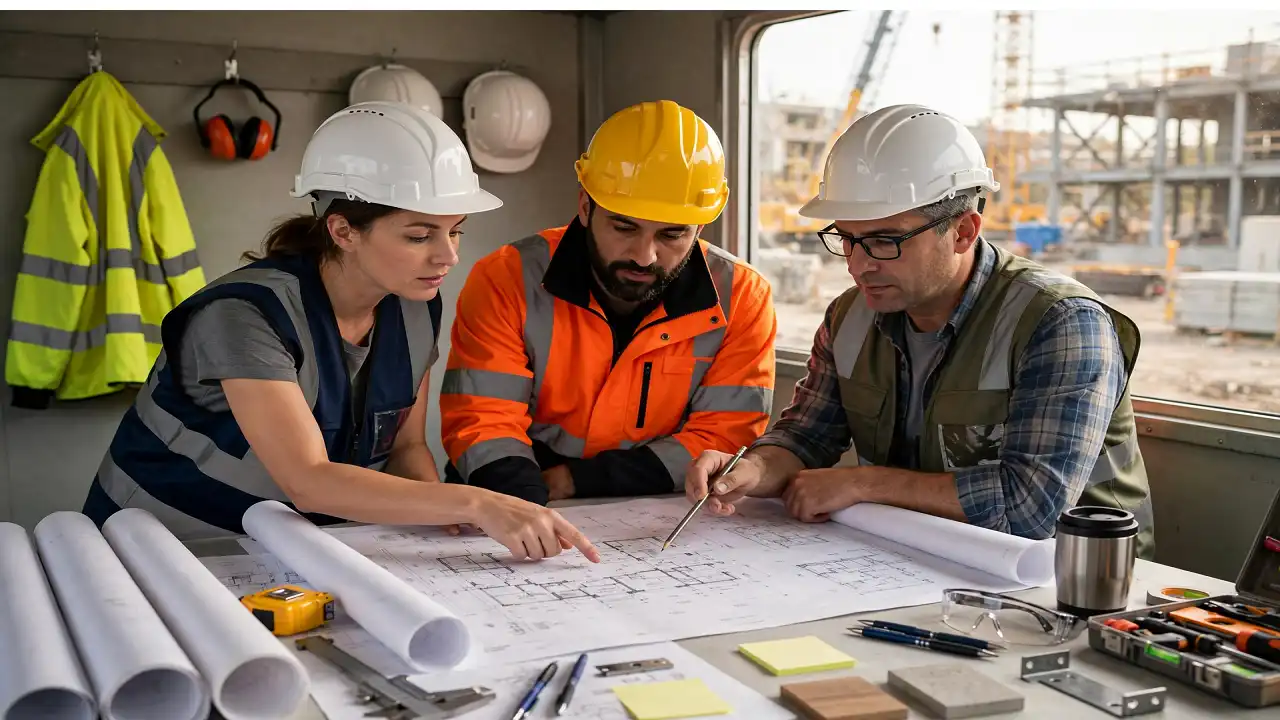
Reviewing specifications early gives project teams more time to identify questions and resolve potential concerns before construction begins.
Contractors can confirm project scope, evaluate material availability, coordinate procurement schedules, and discuss unclear requirements with the design team. Suppliers can verify product compatibility, while project managers gain a clearer understanding of scheduling needs.
This preparation helps create a smoother transition from planning to construction by reducing unexpected issues later in the project.
Technology Makes Review More Efficient
Modern construction projects often include thousands of specification pages covering every aspect of the work. Reviewing this information manually requires significant time and attention.
Digital tools can help teams organize specification documents, locate important requirements, and identify sections that deserve closer review. These capabilities allow experienced professionals to focus on evaluating project information instead of searching through large document sets.
Technology supports efficiency, yet professional judgment remains essential when interpreting project requirements and making construction decisions.
Strong Documentation Supports Better Outcomes
Specifications do more than guide construction activities. They support quality assurance, procurement, inspections, commissioning, and long-term building performance.
Clear documentation helps owners understand project expectations while giving contractors reliable guidance throughout construction. It also creates valuable records for future maintenance, renovations, and facility management.
When specifications remain accurate and consistent from design through completion, every member of the project team benefits from improved communication and stronger coordination.
Building Success Starts With Clear Expectations
Successful construction begins long before equipment arrives on site. It starts with documents that communicate project requirements clearly and consistently.
Well-developed specifications help teams choose appropriate materials, coordinate complex work, reduce misunderstandings, and maintain quality throughout every stage of construction. By investing time in careful specification development and review, project teams create a stronger foundation for safe, efficient, and successful project delivery.