Modern site development is rapidly shifting toward precision-engineered solutions that minimize weather-related delays and maximize long-term structural integrity.
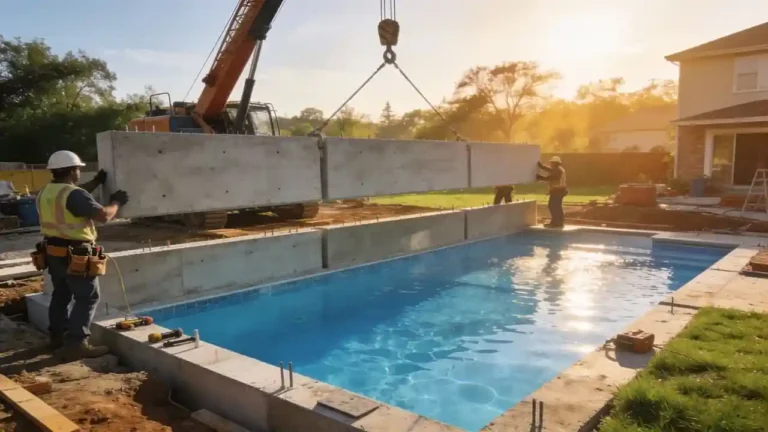
Pond construction utilizing precast concrete systems is the current gold standard for contractors seeking to combine rapid installation with the high-performance durability required by the volatile Midwest climate.
Key Takeaways
- Structural Reliability: Precast components provide superior load-bearing capacity compared to traditional poured-in-place methods.
- Time Efficiency: On-site installation time is reduced by up to 40% through off-site manufacturing and just-in-time delivery.
- Environmental Resilience: Engineered concrete mixes resist freeze-thaw cycles and chemical erosion common in large water retention systems.
JP Construction Precast Concrete Results
If you’ve been following precast concrete trends across the Midwest, this focus on modular, high-strength water containment won’t come as a surprise.
Our analysis suggests that for commercial and high-end residential developers, the traditional, labor-intensive approach to earthwork is increasingly being replaced by the predictability of factory-controlled production.
Construction industry insiders are noting that moisture control and site grading consistency are far easier to manage when utilizing these standardized, rigid components.
What does this mean for Midwest contractors?
The transition to pond construction using modular framing is fundamentally changing project scheduling.
By shifting the heavy lifting to a climate-controlled manufacturing environment, we eliminate the variables of rain-soaked sites and inconsistent curing times.
Our team observed that projects leveraging high-density precast units can achieve watertight integrity almost immediately upon placement.
| Feature | Poured-in-Place | Precast Concrete |
| Curing Time | 28+ Days | 0 Days (Ready to install) |
| Site Impact | High | Low |
| Weather Risk | Extreme | Negligible |
| Load Capacity | Variable | Engineered/Certified |
How will this impact your next build?
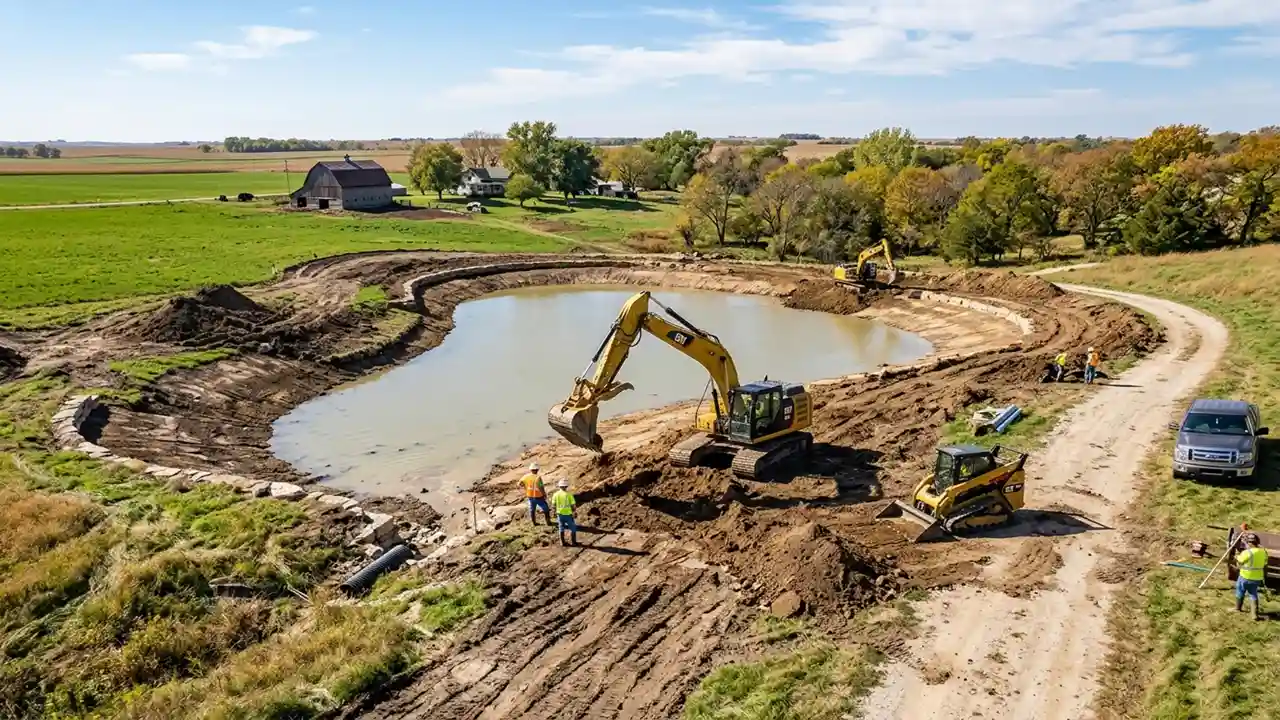
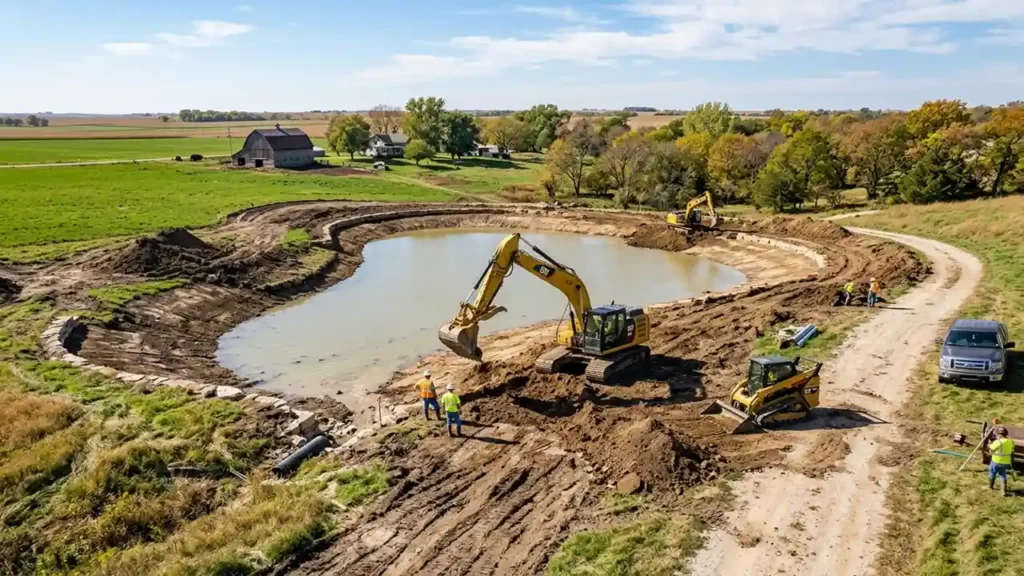
The integration of pond construction components requires a shift in how your site team approaches excavation.
Instead of building forms on-site, the focus shifts to laser-leveled foundation beds and precision alignment of structural panels.
According to guidelines provided by the Natural Resources Conservation Service, site selection remains the most critical factor in soil stability and water retention success.
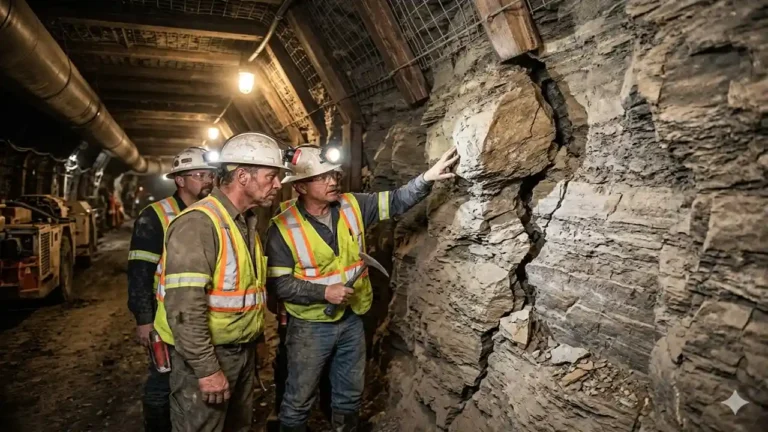
- Step 1: Geotechnical Survey. Verify soil bearing capacity and ensure the watershed supports the intended capacity.
- Step 2: Foundation Bed Preparation. Excavate and compact the base using granular, non-frost-susceptible material.
- Step 3: Structural Placement. Set precast sections using a crane or heavy excavator, ensuring joint sealant integrity.
- Step 4: Final Grading and Backfill. Apply earth pressure evenly to prevent lateral displacement of the structure.
Suffolk Construction Precast Concrete Projects
Pond Construction Efficiency for Midwest Builds
— US News (@Us_news_ways) June 15, 2026
Pond construction utilizing precast concrete systems is the current gold standard for contractors seeking to combine installation…@Constafrica @4ConstructnPros @Equipment_World https://t.co/nkTfU228hr
Building for the future of water management
When we consider the long-term maintenance costs, pond construction with high-performance concrete is simply the better investment.
Unlike flexible liners that can puncture or earthen dams that require constant vegetative management, a concrete-framed system acts as a permanent structural foundation.
If you are planning a large-scale project, ensuring that your pond construction phase aligns with regional environmental regulations is paramount.
We have found that local water authorities often fast-track approvals for projects that demonstrate superior structural containment.
This is because precast units are engineered to meet specific hydraulic performance criteria, as documented in technical studies on structural engineering and wastewater applications.
As climate patterns continue to fluctuate, the reliability of your infrastructure is no longer optional—it is a necessity for risk management.
Construction Heater Rental Up Your Winter Project
Why precision in precast matters
Modern pond construction is as much about chemistry as it is about civil engineering.
We utilize high-strength concrete grades to ensure the structural framing can withstand the hydrostatic pressure of full capacity.
Our current projects emphasize the use of fiber-reinforced mixtures to control micro-cracking and enhance long-term durability.
These innovations allow us to maintain a smaller footprint while delivering a higher volume of water management capacity.
The scalability of this approach means that whether you are tackling a small retention basin or a large municipal infrastructure project, pond construction remains consistent and reproducible.
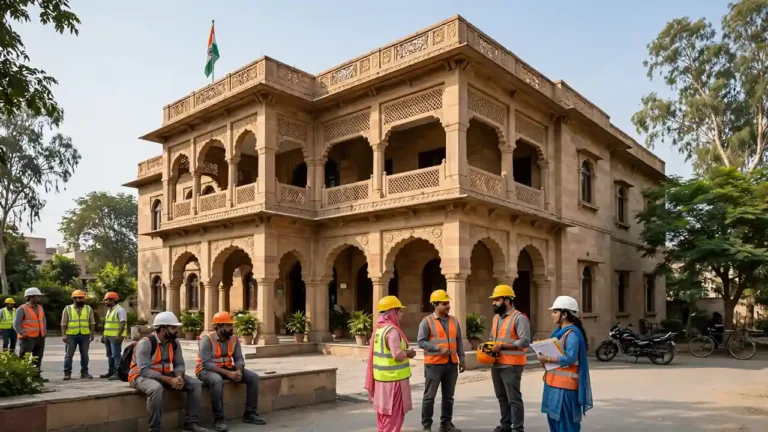
We advise contractors to prioritize sourcing from local, certified precasters to minimize transportation emissions and support the regional supply chain.
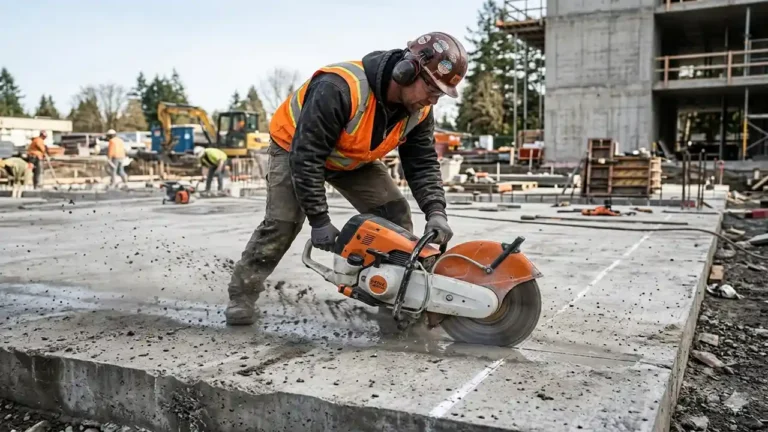
If you have questions about the load-bearing requirements for your specific site, our team is prepared to assist with the necessary structural calculations.
As Construction Evolves, Precast Concrete Leads
As we look ahead, the evolution of pond construction will likely incorporate more advanced monitoring technology within the structural framing itself.
For now, the focus remains on leveraging the inherent strength and speed of precast concrete to deliver projects that stand the test of time.
By choosing high-quality materials and professional installation, you are ensuring that your project provides reliable, safe, and efficient service for decades to come.
Further research on the mechanical properties of concrete used in similar environments can be found in the Lecture Notes in Civil Engineering.
Also, consult the Missouri Department of Conservation for local compliance requirements regarding pond design and safety.