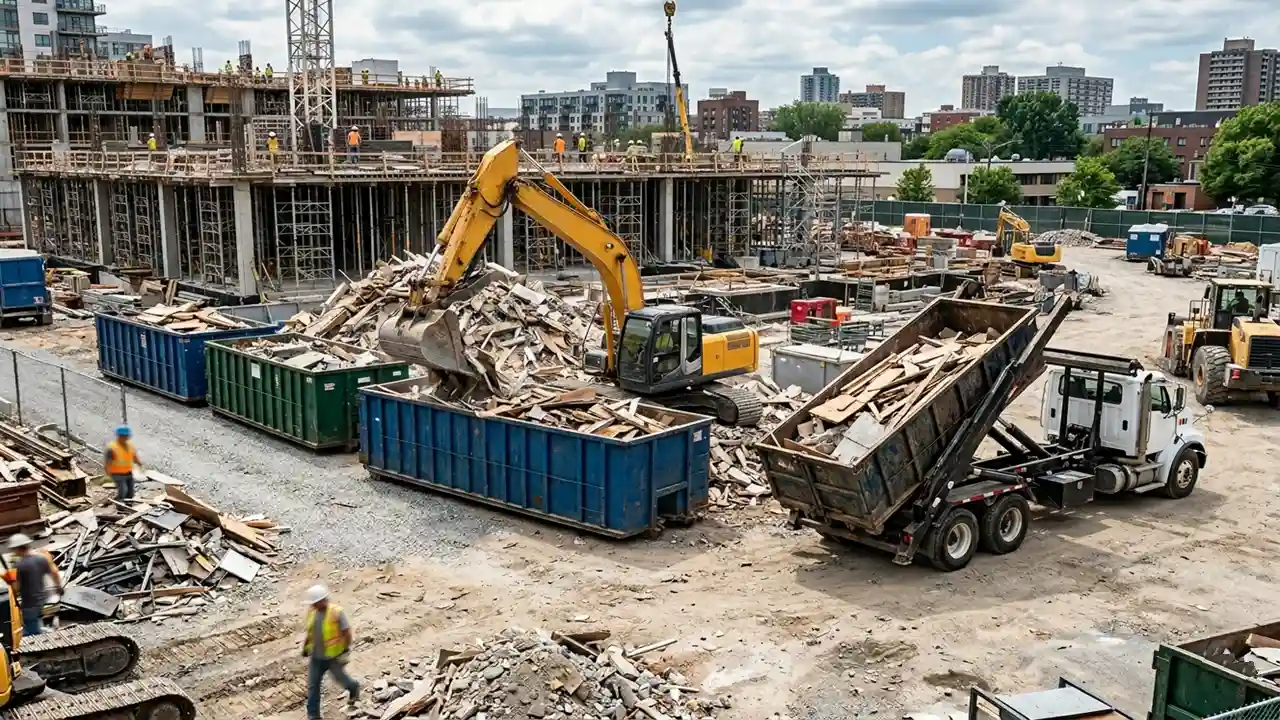
Effective construction waste removal has become the defining metric for modern, high-performance building projects in the Midwest.
As structural demands evolve, builders are realizing that managing debris is not just about disposal; it is about maximizing the precision of precast concrete assembly to minimize site impact.
By shifting the focus from reaction to prevention, we can drastically reduce the environmental footprint of our structural framing.
Online Construction Management Certificate
Key Takeaways
- Preventive Precision: Utilizing precast concrete eliminates the need for on-site material cutting, reducing waste at the source by up to 57% compared to traditional cast-in-place methods (Llatas et al., 2021).
- Logistical Efficiency: Just-in-time delivery models for precast elements minimize the accumulation of excess packaging and discarded materials on job sites.
- Resource Recovery: Implementing a formal Site Waste Management Plan (SWMP) ensures that unavoidable scrap is reclaimed, supporting a circular economy within the construction industry.
If you have been following precast concrete trends across the Midwest, this focus on cleaner sites won’t come as a surprise.
Our team has observed that contractors are increasingly moving away from chaotic, waste-heavy traditional framing toward sophisticated, off-site fabrication.
Construction waste removal is no longer an afterthought; it is a critical component of professional site management.
Modern projects now demand a streamlined approach where every component is delivered ready for installation.
This shift reflects the broader industry movement toward lean construction, where time is treated as a finite resource and material efficiency is paramount.
Micron Bechtel Construction Contract
Why Does Precast Minimize On-Site Clutter?
The inherent advantage of structural framing using factory-produced elements is the elimination of the “dirty” job site.
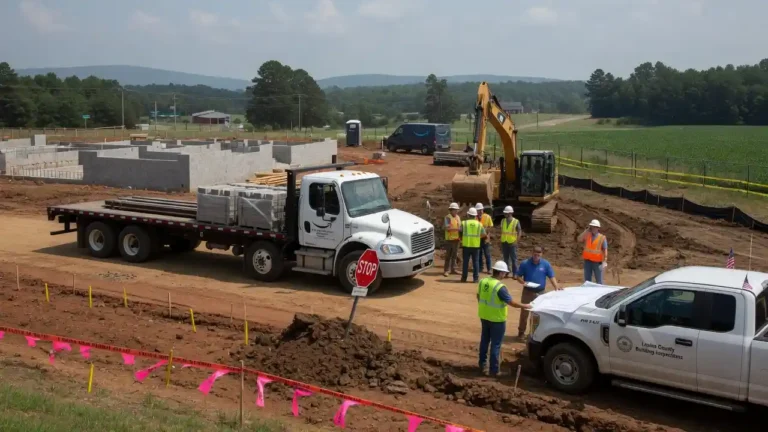
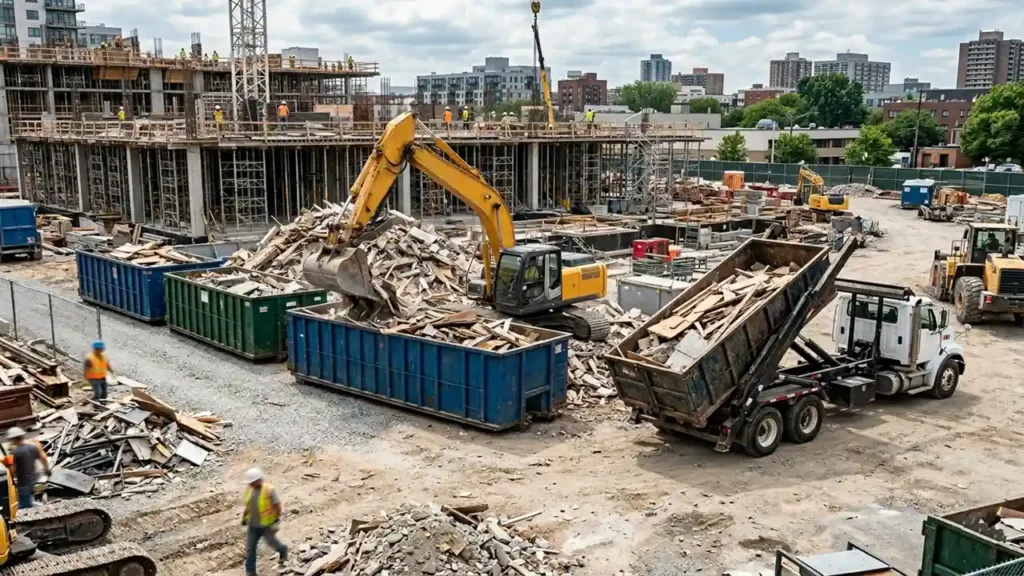
Traditional construction often requires raw materials to be stored, measured, and cut on-site, which generates significant debris and requires complex, costly construction waste removal services.
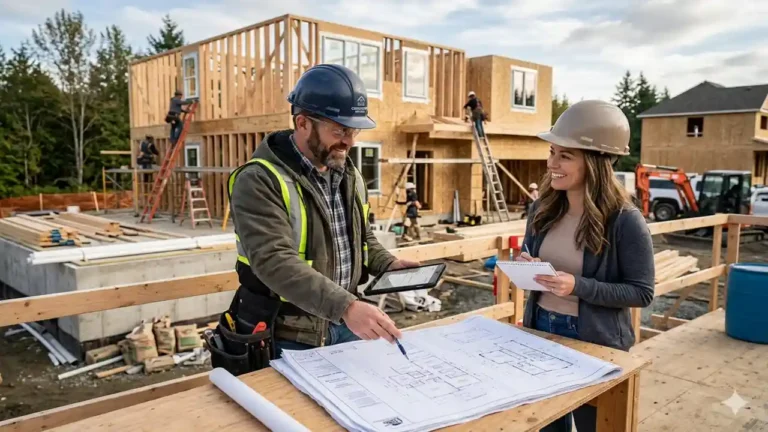
By contrast, precast elements arrive at the site precision-engineered and ready for assembly.
This transition effectively moves the production phase—and its associated waste—into a controlled factory environment.
According to the latest data from the Environmental Protection Agency, designing for off-site construction is one of the most effective strategies to avoid generating waste in the first place.
Online Construction Management Certificate
How Can You Optimize Your Next Project?
We advise our clients to prioritize early integration of waste management into their design reviews.
If you are planning a build, consider these essential steps:
- Step 1: Perform a Pre-Installation Audit. Before breaking ground, evaluate which structural components can be sourced as precast units to avoid on-site fabrication.
- Step 2: Establish a Dedicated Sorting Area. Even with efficient precast assembly, some incidental waste is inevitable; designate clear, labeled zones for recyclables to keep the site clean and compliant.
- Step 3: Implement Just-in-Time Scheduling. Coordinate deliveries to match the erection sequence, ensuring that materials never sit idle or gather unnecessary dust and damage.
- Step 4: Use Digital Tracking. Employ simple BIM tools to track material usage and waste metrics, allowing for tighter control over your construction waste removal costs.
Construction Waste Removal Site Solutions
— US News (@Us_news_ways) June 15, 2026
Effective construction waste removal has become the defining metric for modern, high-performance building projects in the Midwest.@ConstWorldSA @Buildertrend @CNplus https://t.co/01LXIn9iUE
How Does This Impact Your Bottom Line?
The financial benefits of reducing on-site waste extend far beyond the disposal fees.
By reducing the volume of debris that requires transport, you lower the overhead associated with large-scale bin rentals and frequent haul-away trips.
Furthermore, a cleaner site is a safer and more productive environment for your crew.
Our analysis suggests that projects utilizing precast technology see a substantial decrease in the total cost of waste-related logistics.
| Metric | Traditional Cast-in-Place | Precast Concrete Framing |
| On-site Material Cutting | High | Minimal to None |
| Storage Requirements | Large Footprint | Minimal (Just-in-Time) |
| Waste Generation | Significant | Controlled/Low |
| Installation Timeline | Longer | Accelerated |
Micron Bechtel Construction Contract
What Should Contractors Prioritize Today?
Construction waste removal is best managed when it is designed out of the process entirely.
As we look at the future of Midwest infrastructure, the integration of high-quality precast concrete will remain a cornerstone of sustainable development.
By minimizing the need for heavy machinery and labor-intensive on-site preparation, we protect the project site and improve efficiency.
If you are looking to refine your approach, remember that the most successful builders are those who view the structural framing phase as a clean, swift assembly of precision parts.
Refining your construction waste removal protocols is not just good for the planet; it is a competitive advantage that defines the next generation of professional contractors.
The transition to cleaner sites is accelerating, and those who adapt now will lead the market in both cost-efficiency and environmental stewardship.