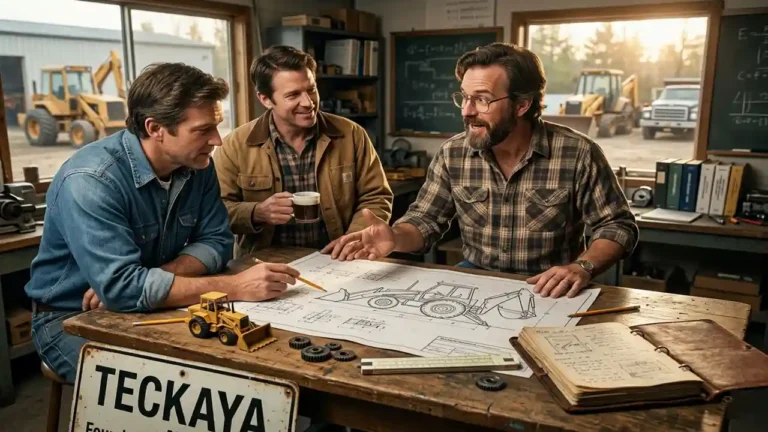

Heavy construction equipment operators are no longer just muscle behind the machine they are precision professionals reshaping how precast concrete structures rise across the Midwest.
If you’ve been following precast concrete trends across the Midwest, this won’t come as a surprise.
The demand for skilled operators has surged alongside the growth of structural framing projects, and the gap between crews that thrive and crews that fall behind often comes down to one factor: operator expertise.
FHP Troopers College Town Construction Site
Key Takeaways
- Skilled heavy construction equipment operators directly reduce structural installation errors by up to 30% on precast projects
- Precast concrete panels handled by certified operators can cut on-site assembly time by an average of 40% compared to cast-in-place methods
- Proper crane and rigging techniques used by qualified operators protect both structural integrity and project budgets on complex framing systems
Why Are Heavy Construction Equipment Operators Central to Precast Success?
Construction industry insiders are noting a critical shift in how precast concrete projects are staffed and managed.
The complexity of lifting, positioning, and seating precast wall panels, double-tee slabs, and structural columns demands a level of mechanical precision that goes well beyond basic machine operation.
Our analysis suggests that projects experiencing the fewest rework incidents are those where heavy construction equipment operators are brought into the planning conversation early before the first panel ever leaves the precast yard.
According to the U.S. Bureau of Labor Statistics, employment of construction equipment operators is projected to grow steadily, reflecting exactly this kind of industry-wide demand.
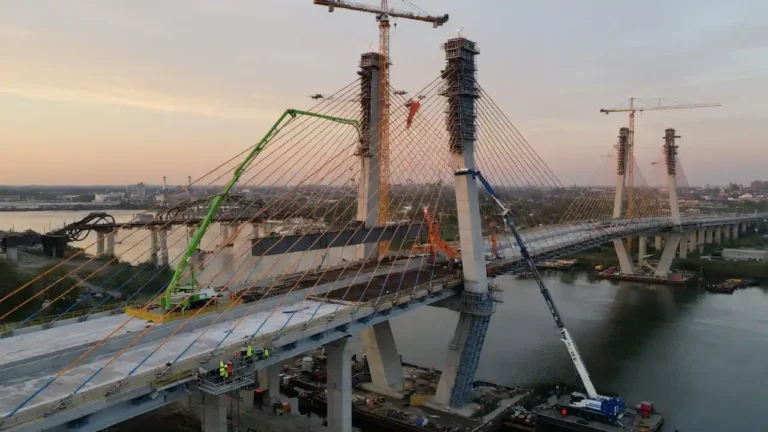
Crane for Building Construction
What Does Poor Operator Coordination Actually Cost a Precast Project?
The numbers are sobering.
A misaligned precast column bearing pad doesn’t just create a structural problem it creates a cascade of delays, engineering reviews, and potential liability.
Our contractors note that a single crane positioning error during structural framing can delay a pour schedule by two to four days and generate $15,000–$40,000 in unplanned costs on a mid-size commercial build.
That is the real cost of underestimating operator skill on a precast job.
How Should Your Team Prepare Heavy Construction Equipment Operators for a Precast Installation?
Step-by-step preparation matters here.
Rushing operators onto a precast site without a structured onboarding protocol is one of the most common mistakes our team observes on regional commercial projects.
Step-by-Step: Preparing Operators for Precast Structural Framing Installations
Step 1 — Pre-Project Site Review
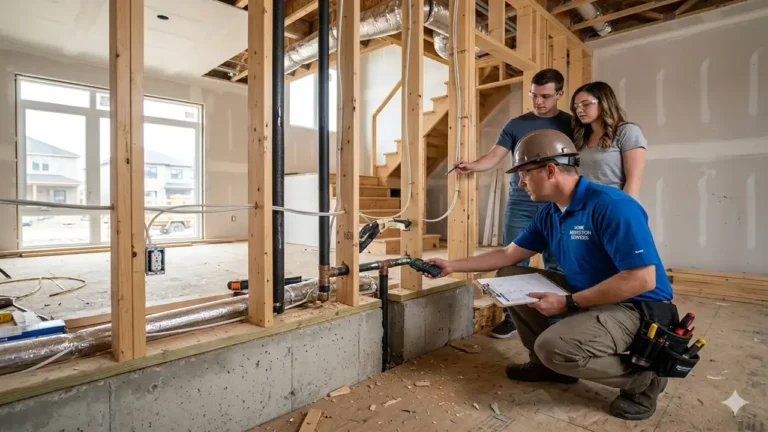
Walk every heavy construction equipment operator through the site layout, crane swing radius, and panel staging zones at least 48 hours before the first lift.
Mark all underground utilities, bearing wall locations, and temporary bracing anchor points clearly.
Step 2 — Review the Erection Drawings
Operators should review structural erection drawings alongside the project engineer and superintendent.
Understanding load paths and connection details is not optional it is a safety and quality requirement.
Step 3 — Rigging and Hardware Inspection
Inspect all lifting hardware including coil inserts, lifting anchors, and spreader beams per OSHA Rigging Standards.
Log all hardware certifications and weight ratings before lifts begin.
Step 4 — Dry-Run Communication Protocol
Conduct a dry-run with the signal person and operator using the communication system that will be used during live lifts.
Standardized hand signals or radio protocols must be confirmed by every crew member on-site.
Step 5 — First-Lift Observation
A qualified structural superintendent should observe the first panel lift and seating to verify alignment, bearing depth, and temporary brace placement.
Document this lift with photographs for the project record.
Construction Tape Techniques That Strengthen Precast Builds

Precast vs. Cast-in-Place: Where Operator Skill Changes the Equation
| Factor | Precast Concrete (Skilled Operators) | Cast-in-Place Concrete |
|---|---|---|
| Panel/Pour Cycle Time | 1–3 hours per element | 3–7 days per pour cycle |
| Structural Tolerance | ±1/8″ with certified operators | ±3/8″ typical field variance |
| Weather Dependency | Low panels arrive cured | High — temperature-sensitive |
| Labor Coordination | High precision, fewer workers | Large crews, longer schedules |
| Rework Risk | Low with trained operators | Moderate to high |
Our analysis suggests the efficiency column consistently favors precast when operator training is treated as a non-negotiable line item.
What Does This Mean for Midwest Contractors Bidding Structural Projects?
If you are pricing a structural framing project right now, operator qualification should appear in your bid breakdown — not as an afterthought, but as a defined cost center.
The Precast/Prestressed Concrete Institute (PCI) has published operator training guidelines that align directly with quality certification programs used by leading Midwest erectors.
Our team has observed that contractors who document operator credentials during the bid process win more negotiated contracts with institutional and municipal clients.
Owners increasingly ask for proof of operator training alongside structural submittals.
The National Commission for the Certification of Crane Operators (NCCCO) offers mobile crane and articulating crane certifications that are becoming standard requirements on public precast projects across Illinois, Indiana, and Ohio.
Connecting these certifications to your project workforce demonstrates a level of accountability that separates competitive regional contractors from the field.
Construction Tape Techniques That Strengthen Precast Builds
Heavy Construction Equipment Operators
— US News (@Us_news_ways) July 10, 2026
Heavy construction equipment operators are no longer just muscle behind the machine they are precision professionals reshaping how precast@dcrcrewosaka @KomatsuGlobal @catproduce https://t.co/GF9h3A1pWb
How Will Operator Investment Impact Your Next Build?
Heavy construction equipment operators who understand precast tolerances, structural connection behavior, and crane load dynamics are a compounding asset on every project they touch.
According to research published by the Construction Industry Institute, workforce investment in specialized operator training consistently returns measurable reductions in schedule variance and safety incidents.
Our contractors at Midwest Precast Contractor have built a regional reputation precisely because we treat heavy construction equipment operators as core contributors to structural quality not just as hired hands running machines.