Why Buying Your Own Concrete Mixer Makes Sense
For many, the first instinct is to rent equipment. However, looking for a concrete mixer for sale often proves to be the more cost-effective move in the long run.
- Cost Efficiency: If your project lasts more than a week, rental fees can quickly exceed the cost of owning the machine.
- Convenience: Having your own mixer means you work on your schedule. No more rushing to return a machine by 5:00 PM to avoid extra charges.
- Resale Value: Quality construction equipment holds its value well. Once your project is finished, you can often sell the unit to recoup a significant portion of your initial investment.
Types of Concrete Mixers Available for Sale
Not all mixers are created equal. Depending on your power source and the scale of your work, you will likely fall into one of these three categories:
1. Electric Concrete Mixers
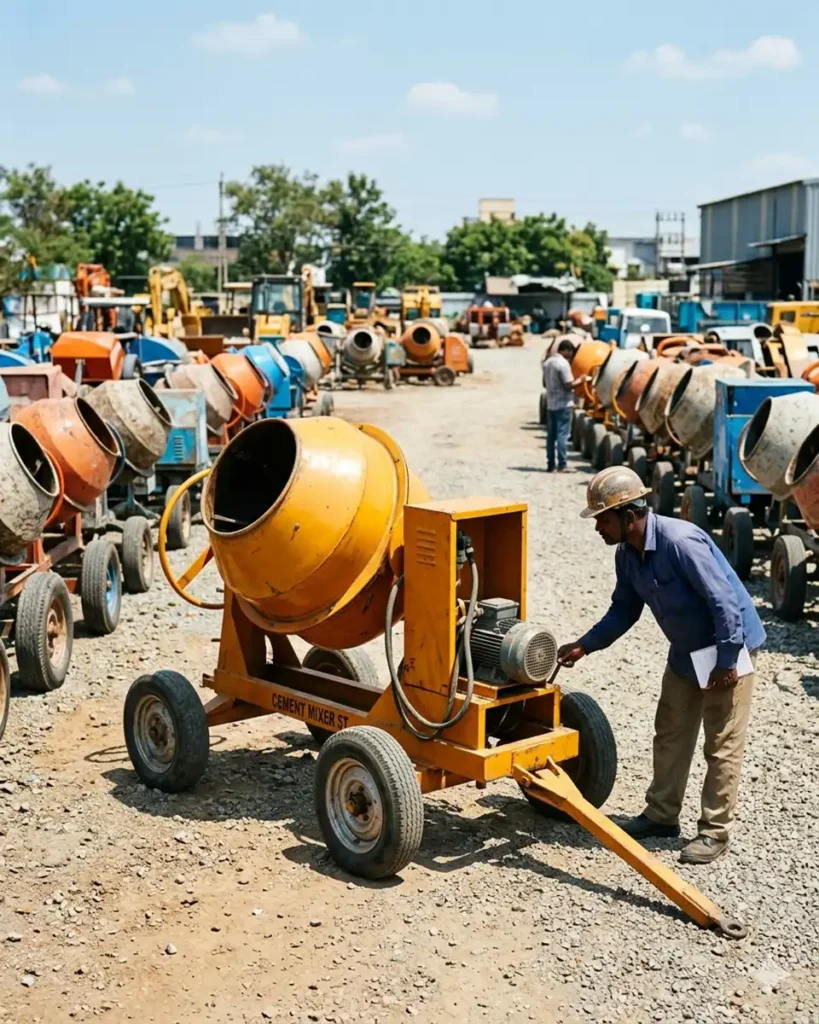
These are the most popular choice for residential work. They are generally lighter, quieter, and easier to maintain since they don’t require oil changes or fuel. Simply plug it into a standard outlet, and you are ready to go.
2. Gas-Powered Mixers
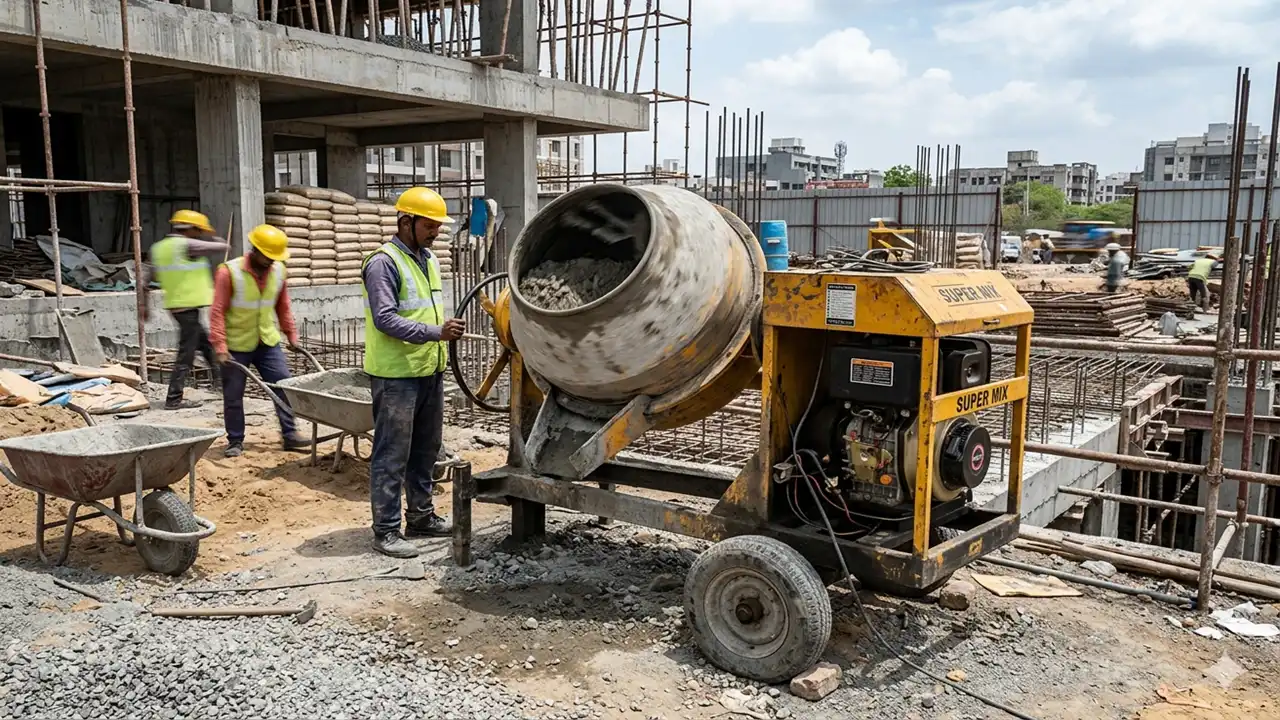
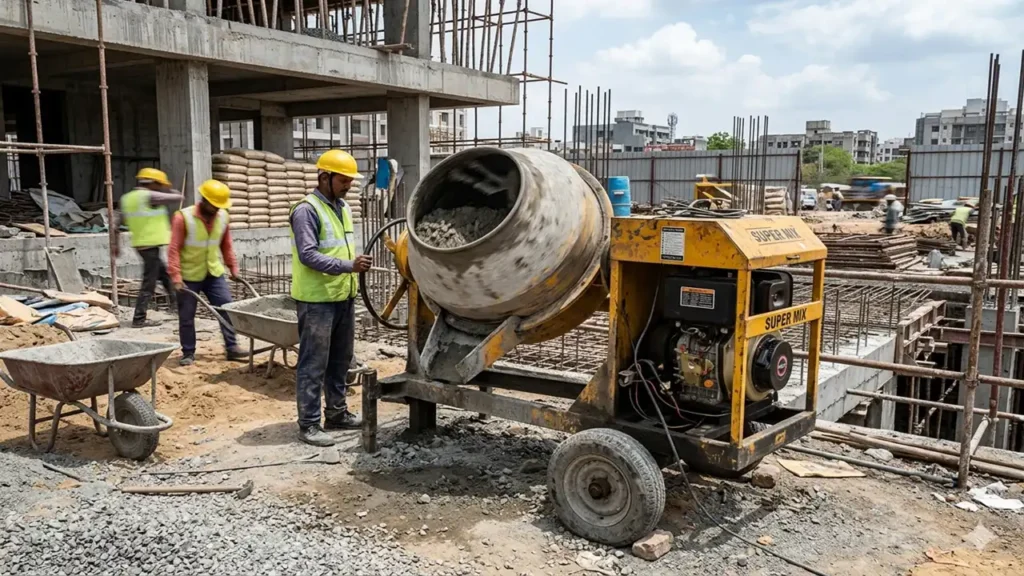
If you are working on a remote site without electricity, a gas-powered concrete mixer for sale is your best bet. These offer high torque and can handle heavier loads, though they do require more maintenance and must be used in well-ventilated areas.
3. Towable vs. Portable Mixers
Small, portable “barrow” mixers are great for tight spaces. However, if you are moving between different job sites daily, look for a towable model with a reinforced frame and high-speed tires.
Structural Composite Lumber: The Backbone of Modern Construction
Key Features to Look for When Browsing a Concrete Mixer for Sale
When you start comparing models, don’t just look at the price tag. Pay attention to these “make or break” features:
- Drum Capacity: Remember that “total volume” and “mixing capacity” are different. A 5-cubic foot drum might only be able to mix 3 cubic feet of material effectively to avoid spilling.
- Motor Horsepower: For heavy-duty mixing, look for a motor with at least 0.5 to 1.0 HP. This ensures the drum keeps turning even when filled with heavy, wet aggregate.
- Build Material: Steel drums are incredibly durable and traditional. However, some modern mixers use polyethylene (plastic) drums which are easier to clean because the concrete doesn’t stick as easily to the surface.
- The “IP” Rating: Ensure the motor has a high Ingress Protection rating to keep dust and water splashes from frying the electronics.
Pay Application: The Ultimate Guide to Getting Paid in Construction
How to Maintain Your New Concrete Mixer
Buying a concrete mixer for sale is an investment, and like any tool, it requires care. The golden rule of concrete work is simple: Never let the concrete dry inside the drum.
- The Gravel Trick: After your last pour, toss a few shovelfuls of coarse gravel and some clean water into the drum. Let it spin for 2 minutes. The gravel acts as an abrasive, scrubbing the internal blades clean.
- Grease the Gears: Regularly apply grease to the ring gear and the drive pinion to prevent metal-on-metal grinding.
- Check the Belt: If you notice a squealing sound or the drum slipping, your drive belt may need tensioning or replacement.
Finding the Best Deals on a Concrete Mixer for Sale
Where you buy matters just as much as what you buy. You can find a concrete mixer for sale at big-box home improvement stores, specialized construction equipment dealers, or even online marketplaces.
If you are buying used, always inspect the drum for “scabbing” (hardened concrete buildup) and listen to the motor. A healthy motor should hum smoothly, not grind or sputter. For new units, check for warranties that cover the motor for at least 12 months.
Crushed Concrete: The Ultimate Guide to This Sustainable Construction Powerhouse
Frequently Asked Questions
What size concrete mixer do I need for a fence post project?
For small tasks like fence posts or a small walkway, a portable 3.5-cubic foot concrete mixer for sale is usually perfect. It’s easy to move around the yard and holds about two 80lb bags of pre-mix.
Is a plastic drum better than a steel drum?
It depends on your priority. Steel is tougher and resists dents from large rocks, but plastic is much lighter and easier to clean. For DIYers, plastic is often the better choice.
Can I mix mortar in a concrete mixer?
Yes! A standard concrete mixer for sale can handle mortar, stucco, and even seed or feed. Just ensure you clean it thoroughly between different materials.
Conclusion
Investing in the right equipment is the first step toward a professional-grade result. By choosing a high-quality concrete mixer for sale, you save time, reduce physical strain, and gain the freedom to work at your own pace.
Before you make your final choice, consider the power source available at your site and the volume of concrete you’ll need to pour daily. With the right machine in your corner, those big projects won’t seem so daunting anymore.