What Exactly is Exposed Aggregate Concrete?
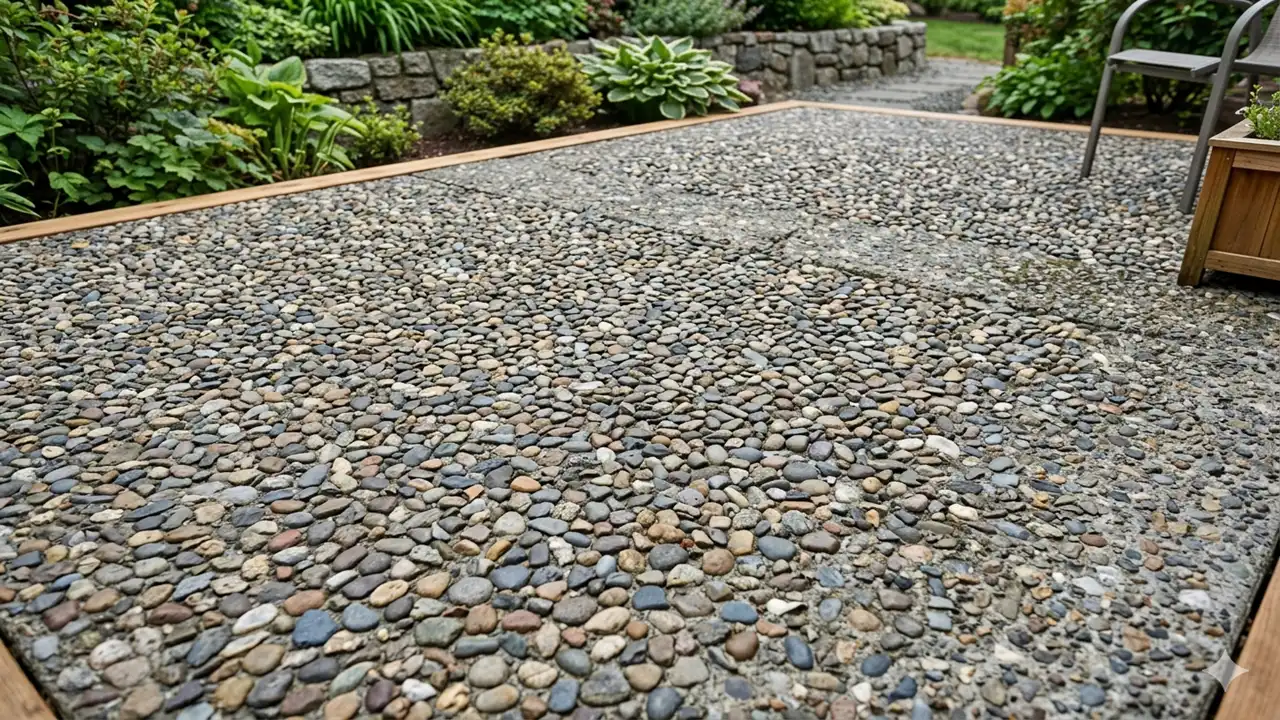
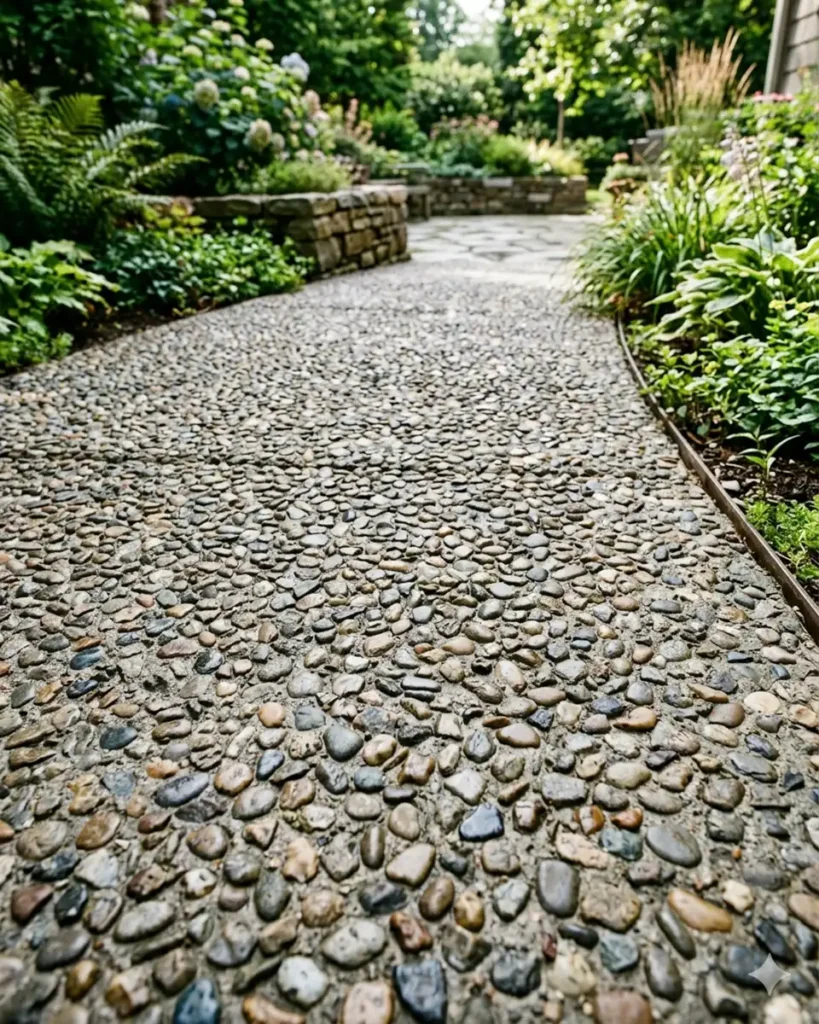
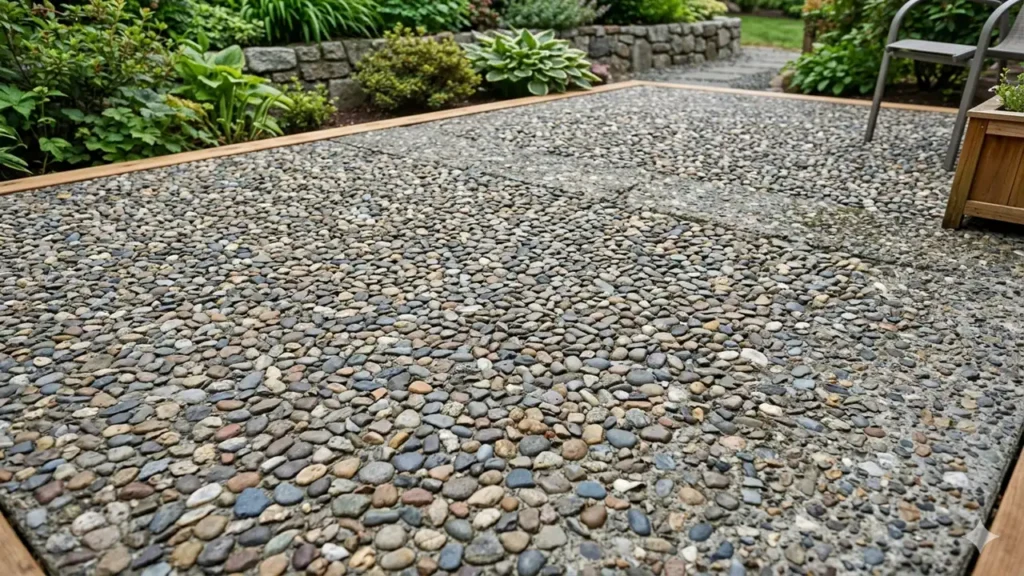
At its core, exposed aggregate concrete is a form of decorative masonry where the top layer of cement “paste” is removed to reveal the stones, pebbles, or sand mixed into the batch.
Think of it like polishing a gemstone. The beauty isn’t on the surface; it’s hidden inside. By stripping away the outer skin, you expose a rugged, natural-looking finish that is as tough as it is beautiful. Because the surface is made of hard stone rather than smooth cream, it stands up to heavy foot traffic and harsh weather better than almost any other decorative finish.
Why Homeowners are Choosing This Finish
Choosing a driveway or patio material is a balance between budget and aesthetics. Here is why many are leaning toward this specific style:
- Unmatched Durability: Since the surface is primarily stone, it doesn’t wear down, chip, or flake as easily as standard broom-finish concrete.
- Superior Traction: The textured surface provides natural “grip,” making it an ideal safety choice for sloped driveways or wet pool surrounds.
- Low Maintenance: It hides tire marks, oil stains, and dirt much more effectively than a solid white or grey surface.
- Customization: You can choose the color of the stones ranging from soft rose quartz to deep black granite—to match your home’s exterior.
The Installation Process: How the Magic Happens
Installing exposed aggregate concrete is a precise art that requires better timing than a comedy special. Here is how the pros do it:
Why Wall Putty is Essential for Precast Concrete Surfaces
1. The Pour and Level
The concrete is mixed with your chosen decorative stones and poured just like standard concrete. It is leveled (screeded) and floated to ensure a flat structural base.
2. The Waiting Game
Once the concrete is placed, the “retarder” is applied. This is a chemical spray that slows down the drying process of only the very top layer (the “skin”) of the concrete while the bottom remains hard.
3. The Reveal
After several hours, the installer uses a pressure washer or a stiff broom to scrub away the thin layer of unset paste. This reveals the beautiful stones underneath.
4. Sealing for Success
Once dry, a high-quality sealer is applied. This not only protects the stone from UV damage and staining but also gives it that “wet look” that makes the colors pop.
Design Trends: Beyond the Grey Slab
Modern exposed aggregate concrete isn’t limited to just “brown pebbles.” Contemporary designs are pushing the boundaries:
- Monochromatic Chic: Using black basalts and dark grey granites for a sleek, modern look that complements minimalist architecture.
- Glow-in-the-Dark Aggregates: Some high-end installs now include “seeded” synthetic stones that absorb sunlight and glow neon blue or green at night.
- Contrasting Borders: Pairing an exposed center with a smooth, stained, or stamped concrete border creates a high-end “picture frame” effect.
Maintenance Tips to Keep Your Surface Pristine
While exposed aggregate concrete is incredibly hardy, it isn’t “set it and forget it.” To keep it looking like new for decades, follow these three rules:
- Reseal Every 2-3 Years: The sealer is the only thing standing between your stones and the elements. When the water stops “beading” on the surface, it’s time for a fresh coat.
- Avoid Harsh Chemicals: Use a pH-neutral cleaner for regular washes. Avoid using salt for de-icing in the winter, as it can penetrate the surface and cause pits.
- Power Wash Gently: A light power wash once a year will remove dirt buildup from the crevices between the stones.
Comparing Costs: Is It Worth the Investment?
When budgeting for your project, expect to pay a premium over standard concrete. On average, exposed aggregate concrete costs between $8 and $15 per square foot, depending on the rarity of the stones you choose and the complexity of the area.
While the upfront cost is higher than a basic grey pour, the “life-cycle cost” is often lower. Because it requires fewer repairs and maintains its aesthetic value longer, it typically adds more to a home’s resale value than cheaper alternatives.
Concrete Expansion Joint: The Ultimate Guide to Preventing Cracks
Frequently Asked Questions
Is exposed aggregate concrete painful to walk on?
While it is textured, it shouldn’t be sharp. Professional installers use “round” river pebbles for pool decks and patios to ensure the surface is comfortable for bare feet while still providing grip.
Can I add it to my existing concrete?
Generally, no. This is a “full-depth” process. However, you can use an “aggregate overlay,” which is a thin layer of specialized cement and stone applied over your old slab to achieve the same look.
Does it crack easily?
No more than any other concrete. All concrete is prone to some cracking due to ground movement, which is why “control joints” are cut into the surface to dictate where those cracks happen.
Transform Your Outdoor Living Space
Investing in exposed aggregate concrete is more than just a home improvement project; it’s a long-term upgrade to your property’s functionality and visual appeal. From its rugged durability to its timeless, natural beauty, it offers a versatility that few other materials can match.