Have you ever walked down a sidewalk or looked at a driveway and noticed dark lines or thick, filled gaps separating the slabs? To the untrained eye, these might look like repairs or design choices, but they are actually structural necessities. Concrete feels like a completely rigid, immovable material. In reality, it acts more like a sponge—expanding and contracting depending on the weather, moisture levels, and ground movement.
When you pour a brand-new driveway, you want it to stay pristine. But without giving the slab room to breathe, natural elements will quickly tear it apart. In this guide, we will break down exactly how a concrete expansion joint handles this natural movement, the best materials to use for the job, and how you can maintain your outdoor surfaces so they look great for decades.
What Exactly Does It Do?
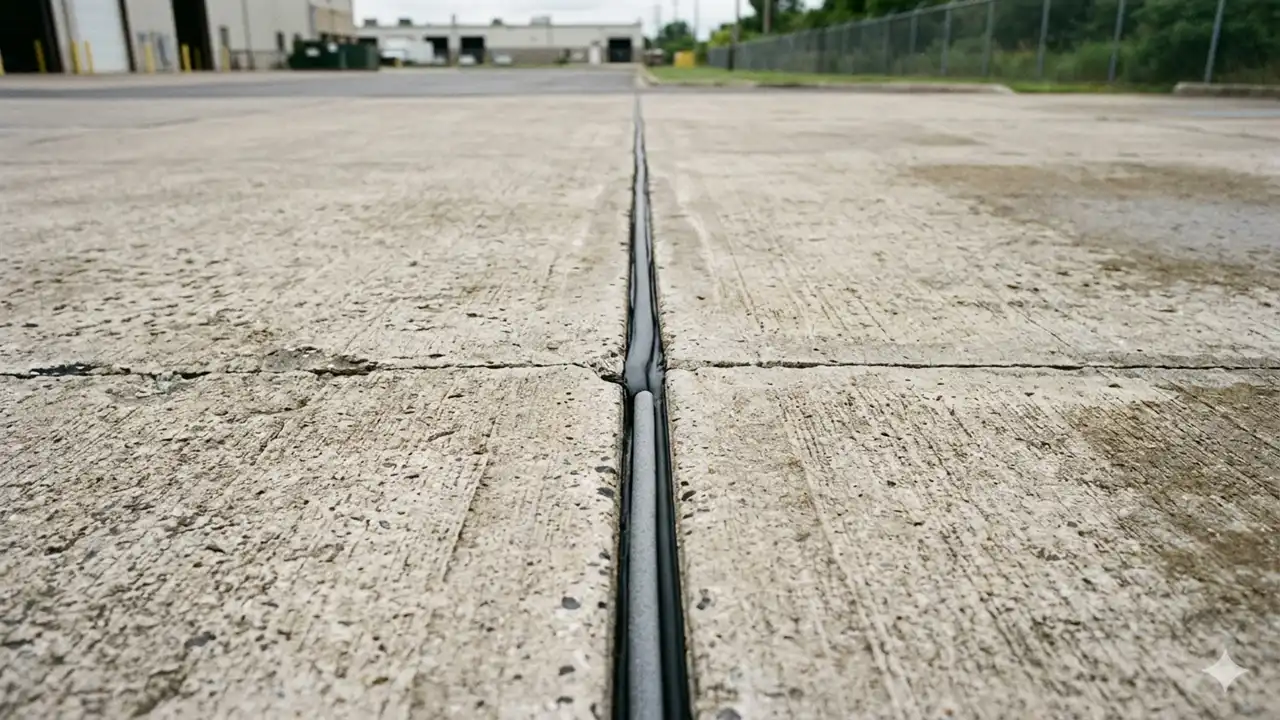
The Quick Answer: An expansion joint is a designated separation between two concrete slabs (or a slab and a structure), filled with a compressible material. It absorbs the stress of thermal expansion, allowing the slabs to grow and shrink with temperature changes without cracking or buckling.
Concrete is heavily affected by thermal dynamics. On a sweltering summer afternoon, a large patio slab absorbs the sun’s heat and literally grows in size. During a freezing winter night, that same slab shrinks.
If two large slabs are poured right up against one another without any buffer, a hot summer day will cause them to push against each other. Because concrete has incredible compressive strength but poor tensile strength, this pressure results in jagged cracks, surface spalling, or “heaving” (where one slab pushes the other upward). The primary role of a concrete expansion joint is to provide a shock-absorbing buffer. When the slabs expand, they compress the flexible material in the joint rather than crushing each other.
Why These Gaps Matter in Construction
Managing movement is one of the most critical aspects of flatwork contracting. Proper placement of these gaps offers several massive benefits:
- Prevents Random Stress Cracks: By giving the slab room to stretch out, you eliminate the internal pressure buildup that leads to spiderweb cracking across the surface.
- Protects Adjacent Structures: If your pool deck or patio sits flush against your home’s brick foundation, an expanding slab could push hard enough to damage the masonry. A joint acts as a protective firewall for your home.
- Increases Lifespan: Concrete is an investment. Proper installation practices ensure your driveway, sidewalk, or commercial floor lasts for fifty years instead of failing in five.
Choosing the Right Materials
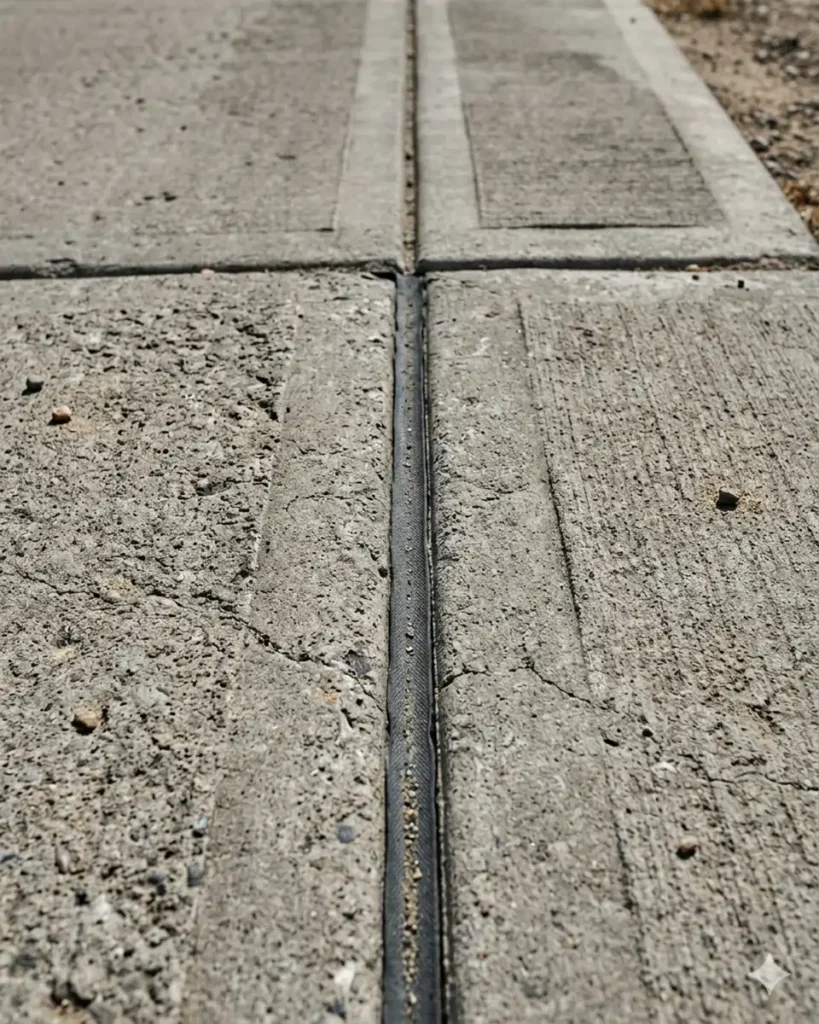
Not all gap fillers are created equal. The material you choose for a concrete expansion joint will dictate how well it performs over time and how much maintenance it will require down the road. Here are the most common options used in the industry today:
Precast Concrete Finishes: 5 Transform Modern Architecture
1. Asphalt-Impregnated Fiberboard
This is the old-school, traditional choice you’ve probably seen on older city sidewalks. It is highly affordable and gets the job done. However, because it is essentially a rigid board soaked in asphalt, it doesn’t bounce back very well after being compressed. Over time, it can dry out, crumble, and wash away.
2. Closed-Cell Foam
Foam is the modern favorite for residential contractors. It is lightweight, incredibly easy to cut to size, and completely rot-proof. Most importantly, foam has excellent “memory,” meaning it compresses under pressure and springs right back to its original shape when the slabs shrink.
3. Cork
Cork offers a fantastic balance of durability and flexibility. It is often sealed with resin to prevent water absorption. While it is slightly more expensive than foam or asphalt, it handles heavy foot traffic well and looks natural against the gray tone of the slabs.
4. Rubber
Heavy-duty, dense rubber is typically reserved for commercial, industrial, or high-traffic areas. It is incredibly tough and highly resistant to chemicals, oils, and extreme weather shifts.
Installation Best Practices: Doing It Right the First Time
As contractors with years of hands-on experience in the field, we know firsthand that poor installation will completely ruin even the highest-quality materials. Here is a brief look at the correct way to handle installation.
Pre-Pour Placement
Unlike contraction cuts (which are sawed into the slab after it dries), expansion gaps must be set up before the concrete truck even arrives. The flexible filler material is placed against the existing structure—like a garage floor lip or a house foundation. It must be pegged or glued securely into place so that the heavy, wet mix doesn’t knock it out of alignment during the pour.
Setting the Proper Depth
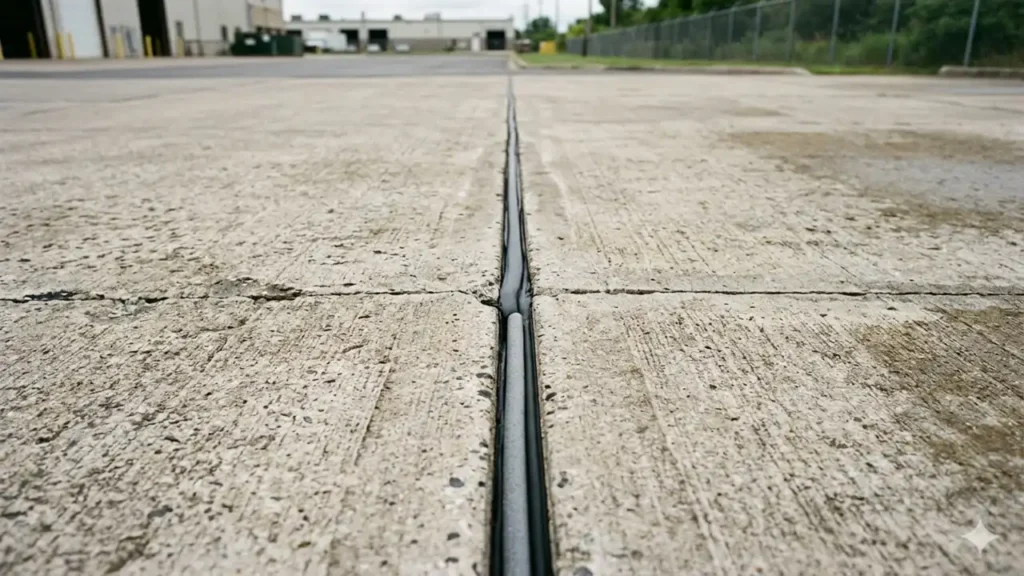
A rookie mistake is leaving the filler material perfectly flush with the top of the wet concrete. Instead, the material should sit roughly a half-inch below the surface of the slab. Leaving this small, recessed channel allows the installer to apply a self-leveling polyurethane caulk over the top. This topcoat sealant protects the concrete expansion joint from standing water, invasive weed roots, and hard debris like pebbles.
Maintenance and Repair Tips
Even the most expertly poured patios need a little bit of seasonal maintenance. Over time, UV rays, heavy rain, and the constant freeze-thaw cycle can cause the protective top sealant to peel away.
If water pools into an open gap and freezes overnight, ice expansion can cause the exact same damage the joint was designed to prevent. Furthermore, if pebbles get wedged into an empty gap, the slabs won’t be able to compress when they get hot, leading to edge chipping.
How to fix a failing joint:
- Use a utility knife and a wire brush to scrape out all the old, rotted material.
- Vacuum the dust and debris out of the gap.
- Push a foam “backer rod” down into the gap to provide a base.
- Fill the remaining space with a high-quality, exterior-grade polyurethane sealant.
Spalling Concrete: Causes, Prevention, and Expert Repair Solutions
FAQs
What is the difference between a contraction joint and an expansion joint? A contraction joint (often called a control joint) is a shallow groove cut into the surface of the slab. As concrete cures, it shrinks and naturally wants to crack. The control joint creates a weak point, forcing the crack to happen neatly inside the groove where you can’t see it. An expansion joint is a full-depth separation made of flexible material that handles thermal movement.
How far apart should they be placed? A standard rule of thumb is to place them wherever a slab meets an existing structure—like a wall, a staircase, or a separate pavement. For continuous, massive pours, spacing depends heavily on the thickness of the slab, but you’ll typically see them every 20 to 30 feet.
Can I replace the filler myself? Absolutely. Replacing the degraded material inside a concrete expansion joint is a highly rewarding, DIY-friendly weekend project. You don’t need heavy machinery; just some basic hand tools, foam backer rod, and patience with a caulking gun.
Wrapping Up
Concrete is one of the most durable and versatile building materials on the planet, but it has to be treated with respect. It needs room to breathe, shift, and settle. By understanding how to properly install and maintain a concrete expansion joint, you can easily protect your walkways, patios, and driveways from unsightly buckling and incredibly costly replacements.