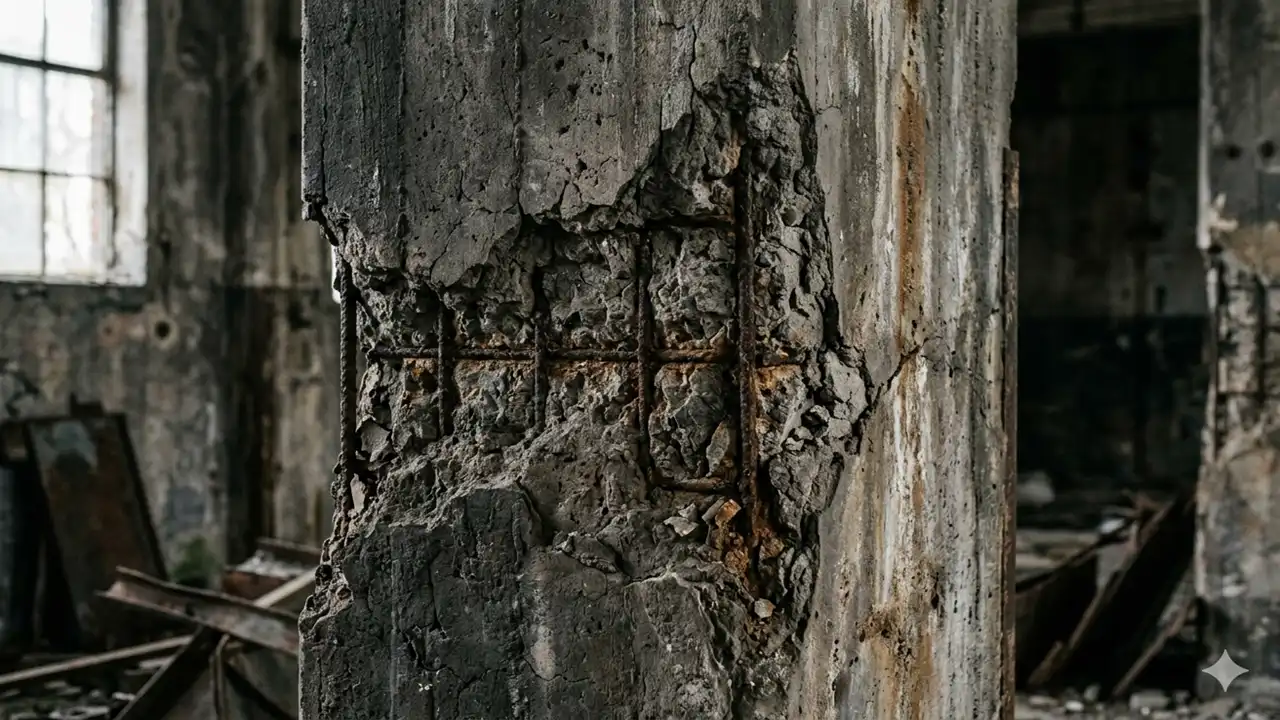
Seeing chunks of concrete break away from your driveway, stairs, or foundation can be unsettling. It starts as a few flakes or a small crack, but before you know it, the structural integrity of your home feels at risk. This phenomenon is known as spalling concrete, and while it looks like a disaster, understanding why it happens is the first step toward a permanent fix.
In this guide, we will break down the science behind “concrete cancer,” how to spot it before it spreads, and the most effective ways to restore your surfaces to their former strength.
What Exactly is Spalling Concrete?
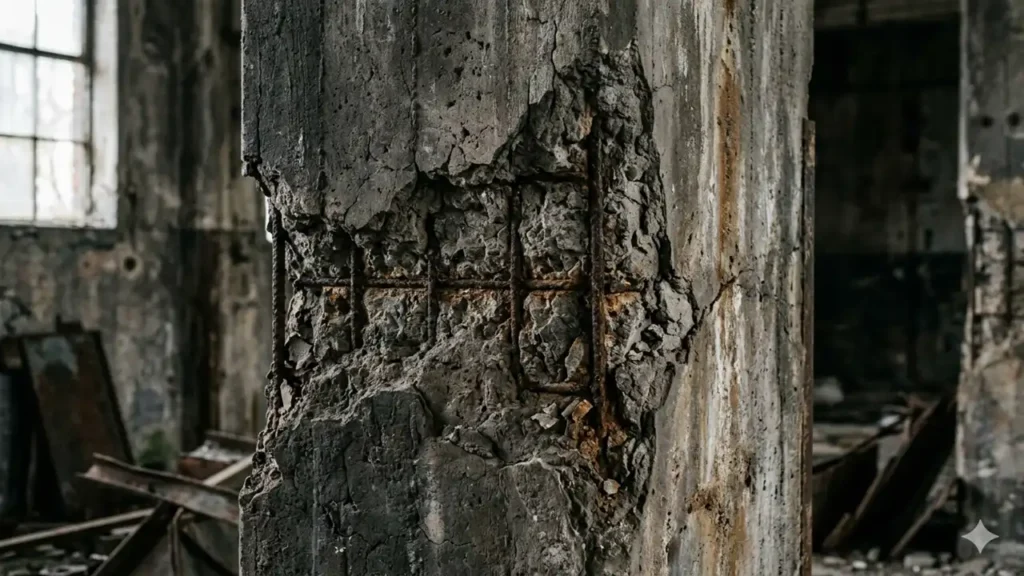
Commonly referred to as “flaking” or “chipping,” spalling concrete occurs when the surface of the material separates from the main body, often exposing the aggregate or the reinforcing steel (rebar) underneath.
From a technical standpoint, this happens because of internal pressure. Concrete is incredibly strong under compression, but it is porous. when water, salt, or chemicals penetrate the surface, they create internal tension that the concrete simply cannot hold. Eventually, the surface “spalls” or pops off in thin layers or large chunks.
The Primary Causes of Concrete Flaking and Chipping
Understanding the “why” helps you prevent future occurrences. Here are the most common culprits:
1. The Freeze-Thaw Cycle
In colder climates, water enters the pores of the concrete. When that water freezes, it expands by approximately 9%. This expansion pushes against the concrete walls from the inside. After repeated cycles of freezing and thawing, the material weakens and spalling concrete begins to manifest.
2. Corrosion of Reinforcing Steel
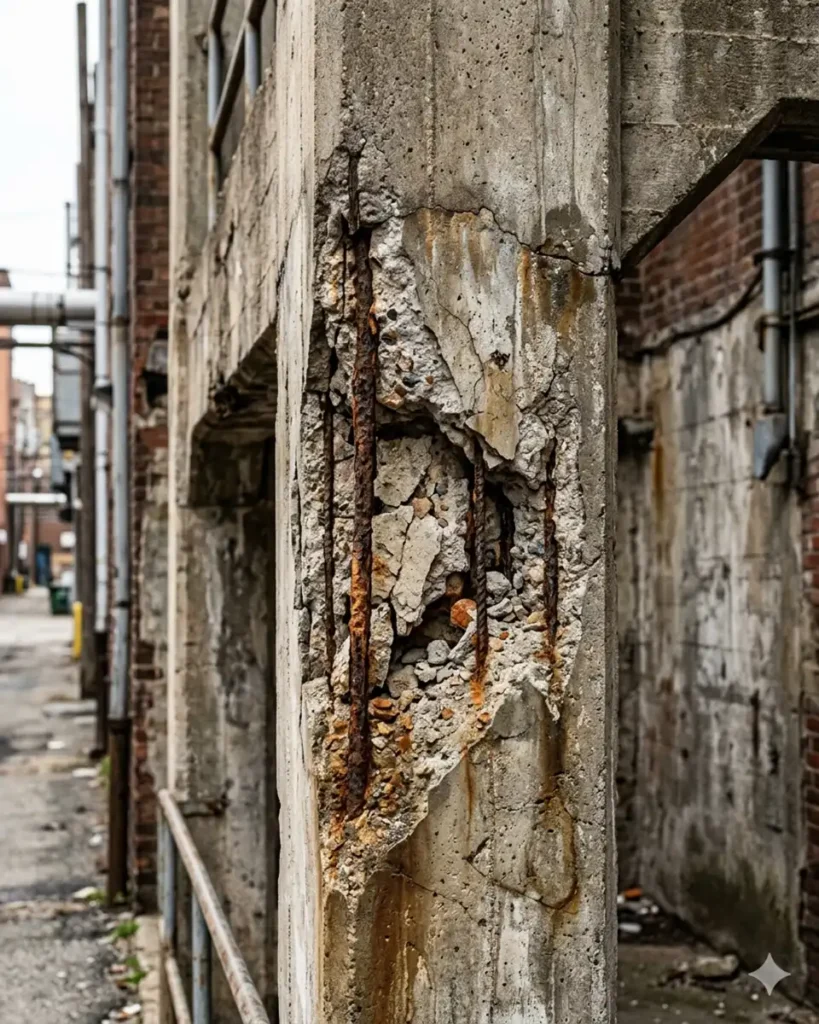
If moisture reaches the steel rebar inside a slab, the metal begins to rust. As steel oxidizes, it can expand up to four to five times its original size. This massive internal pressure forces the overlying concrete to crack and break away.
Ready Mix Concrete Near Me: Your Ultimate Guide to Quality Pours
3. Poor Installation Practices
Sometimes the trouble starts at day one. Common mistakes include:
- Using too much water in the mix (which weakens the finish).
- Improper curing techniques.
- Insufficient cover over the rebar.
How to Identify the Early Signs of Spalling
You don’t need to be a structural engineer to spot trouble. Keep an eye out for these three red flags:
- Surface Scaling: A dusty or chalky appearance where the top layer seems to be peeling like a sunburn.
- Rust Stains: Orange or brown streaks appearing on the surface, indicating that internal steel is corroding and spalling concrete is imminent.
- Hollow Sounds: If you tap a hammer lightly on the surface and hear a “hollow” or “drum-like” sound, it means the top layer has already detached from the base, even if it hasn’t fallen off yet.
Professional Repair Methods for Spalling Concrete
If the damage is localized and hasn’t compromised the entire structure, you can often repair it rather than replacing the whole slab.
Surface Patching
For minor scaling, the loose material is chipped away, the area is cleaned, and a high-strength polymer-modified repair mortar is applied. This bonds to the old concrete and provides a fresh, durable finish.
Structural Injection
If the spalling concrete is caused by deep cracks, professionals may use epoxy or polyurethane injections. This not only fills the void but also “glues” the concrete back together, preventing water from reaching the rebar.
Full-Depth Replacement
When the damage covers more than 20% of the surface or the rebar is severely corroded, the most cost-effective long-term solution is to remove the damaged section entirely and pour fresh concrete with modern protective additives.
How to Prevent Future Spalling
Prevention is significantly cheaper than repair. To protect your investment, consider these steps:
- Apply a High-Quality Sealer: Use a penetrating silane or siloxane sealer to “waterproof” the pores.
- Ensure Proper Drainage: Divert gutter downspouts away from concrete pathways to prevent water pooling.
- Avoid De-icing Salts: Salt lowers the freezing point of water, which actually increases the frequency of freeze-thaw cycles. Use sand for traction instead.
- Regular Maintenance: Wash away dirt and chemicals annually to prevent them from eating into the finish and causing spalling concrete.
Frequently Asked Questions
Is spalling concrete a structural issue?
It depends. If it is just surface scaling, it is largely aesthetic. However, if the spalling is deep enough to expose rusty rebar, it is a structural concern that needs immediate attention to prevent building failure.
Can I fix spalling concrete myself?
Small patches on driveways or walkways are manageable DIY projects using retail repair kits. However, for foundations, overhead beams, or balconies, you should always consult a professional.
How much does it cost to repair spalled concrete?
Costs vary based on the extent of the damage. Minor patching might cost a few hundred dollars, while extensive structural restoration involving rebar treatment can run into the thousands.
Asphalt and Concrete Maintenance for Residential Communities
Protect Your Property Today
Ignoring spalling concrete is a bit like ignoring a cavity in a tooth; it will only get larger, more painful, and more expensive to fix over time. By catching the signs early and applying the right sealers or repair mortars, you can extend the life of your concrete by decades.
For Repair and Services
1924 W Edward Ln, Milwaukee, WI 53209, United States
Phone: +14142855933
Email: [email protected]