
What Exactly is H Shear?
At its most basic level, h shear refers to the internal force that acts parallel to the cross-section of a material or a fluid layer. Unlike “normal” stress, which pushes or pulls directly against a surface (like sitting on a chair), shear stress is all about the sliding motion between layers.
In the context of horizontal forces, we focus on how these layers move past one another along a horizontal plane. Imagine a stack of plywood: if you apply a force to the top sheet while the bottom sheet stays still, the glue between them experiences shear. If that glue fails, the sheets slide apart.
The Basic Formula
In physics and materials science, the stress resulting from an shear force is often represented by the Greek letter tau ($\tau$). The basic relationship is defined as:
$$\tau = \frac{V \cdot Q}{I \cdot t}$$
Where:
- $V$ = The total shear force at the location.
- $Q$ = The first moment of area.
- $I$ = The moment of inertia of the entire cross-section.
- $t$ = The thickness of the material at the plane where shear is being calculated.
White Cement: The Ultimate Guide
The Role of H Shear in Structural Engineering
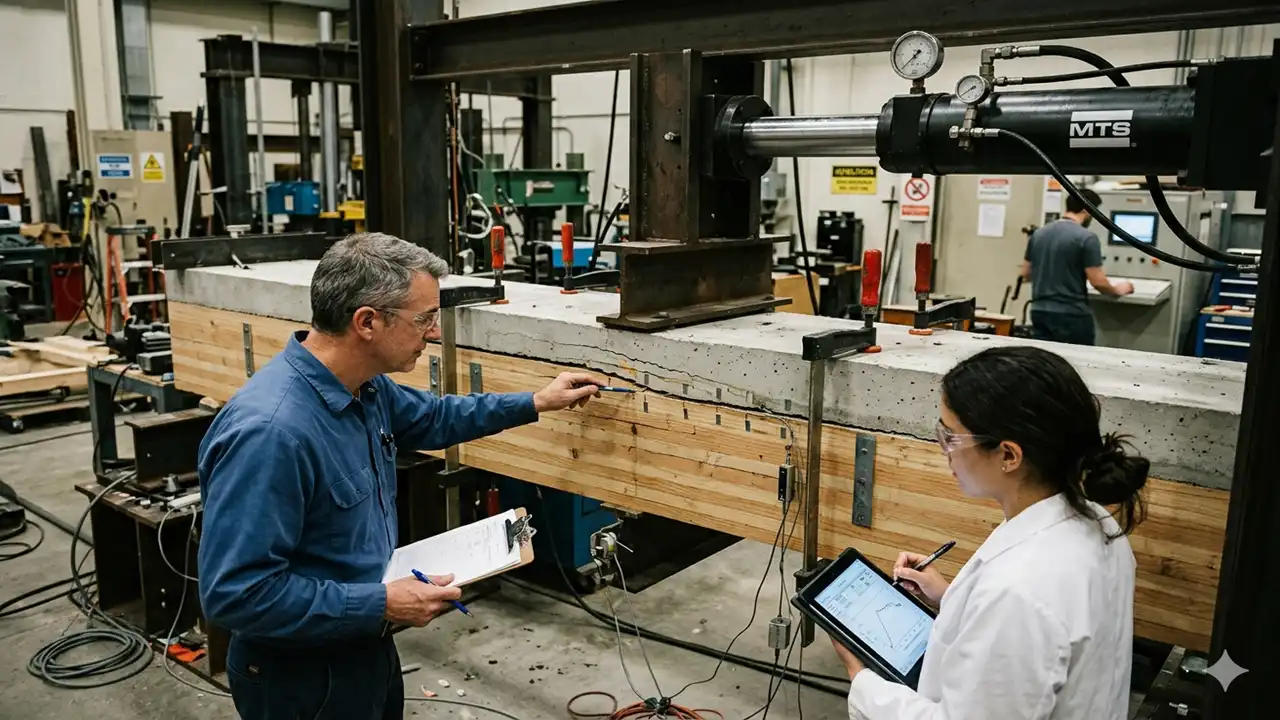
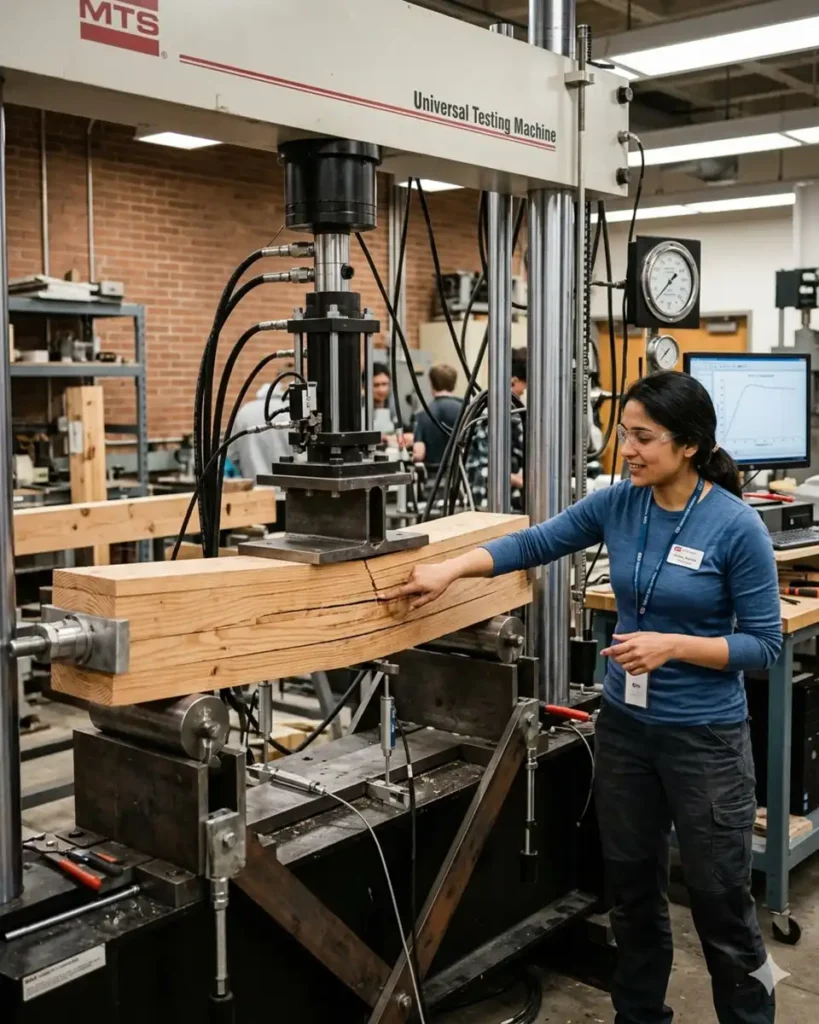
In the world of construction, shear is a “silent” force that engineers must account for to prevent catastrophic failures. When a beam is loaded vertically (like a floor beam in a house), it doesn’t just bend; the internal fibers of the wood or steel try to slide past each other horizontally.
Wood and Timber Joists
Timber is particularly susceptible to horizontal shear because wood is a natural fibrous material. The fibers run lengthwise, making it easier for them to “split” along the grain. If the shear exceeds the strength of the wood fibers, the beam will crack down the middle, even if it doesn’t break in half vertically.
Steel I-Beams
In steel construction, the “web” (the vertical part of the ‘I’) handles most of the vertical force, but the connection points where the flanges meet the web must be designed to withstand significant shear to ensure the beam acts as a single, solid unit.
H Shear in Meteorology: Wind and Weather Patterns
While engineers deal with solid objects, meteorologists use the concept of h shear to describe the behavior of the atmosphere. In weather science, horizontal shear refers to the change in wind speed or direction over a horizontal distance.
Storm Development and Vorticity
When you have a strong wind blowing next to a slower wind stream, the “friction” between them creates a rotation. This shear is a primary driver of vorticity—the spinning motion in the atmosphere that can lead to the development of:
- Supercell thunderstorms
- Tornadic activity
- Frontal boundaries
If the shear is strong enough along a cold front, it can create a “shear line,” which often results in a narrow band of intense precipitation or sudden wind shifts that are hazardous to aviation.
Concrete Resurfacing: The Ultimate Guide to Reviving Your Surfaces
Why Calculating H Shear Matters for Safety
Failure to account for h shear can lead to structural collapses or mechanical failures. This is why testing and simulation are vital in the manufacturing process.
- Material Longevity: Constant shear stress leads to fatigue. Over time, materials that are repeatedly subjected to h shear without proper reinforcement will develop micro-fractures.
- Safety Factors: Engineers always apply a “factor of safety.” If a bridge is expected to handle a certain amount of hshear, it is usually built to withstand two or three times that amount.
- Adhesive Performance: In modern manufacturing (like carbon fiber aircraft wings), parts are often glued rather than bolted. Understanding the shear limits of these adhesives is literally a matter of life and death.
Common Challenges in Managing Shear Stress
One of the biggest pain points for designers is the “Maximum Shear” point. In a standard rectangular beam, the h shear is actually at its highest in the exact center (the neutral axis) of the beam, which is counterintuitive to many.
- Complex Geometries: Calculating shear in irregular shapes requires advanced Finite Element Analysis (FEA).
- Temperature Fluctuations: Heat can soften materials or adhesives, significantly lowering their resistance to shear.
- Dynamic Loading: Moving loads (like cars on a bridge) create shifting shear forces that are harder to predict than static loads.
The Ultimate Guide to Concrete Stain
FAQ
What is the difference between vertical and h shear?
While they act in different directions, in a state of equilibrium, the magnitude of vertical shear and h shear at any given point in a solid beam is actually equal. This is known as the “complementary” nature of shear stress.
How do you prevent horizontal shear failure in wood?
The most common way is to increase the depth of the beam or use engineered wood products like LVL (Laminated Veneer Lumber), which are designed to have much higher resistance to h shear than natural timber.
Can h shear be seen with the naked eye?
In fluids, you can see it in the way ripples form on water when wind blows across the surface. In solids, you usually only see it when the material begins to fail, appearing as horizontal cracks along the length of a beam.
Mastering the Force
Understanding h shear is more than just an academic exercise; it is a foundational pillar of how we build and understand the physical world. From the skyscrapers that define our skylines to the weather patterns that dictate our daily lives, horizontal shear forces are constantly at work.