What Exactly is White Cement?
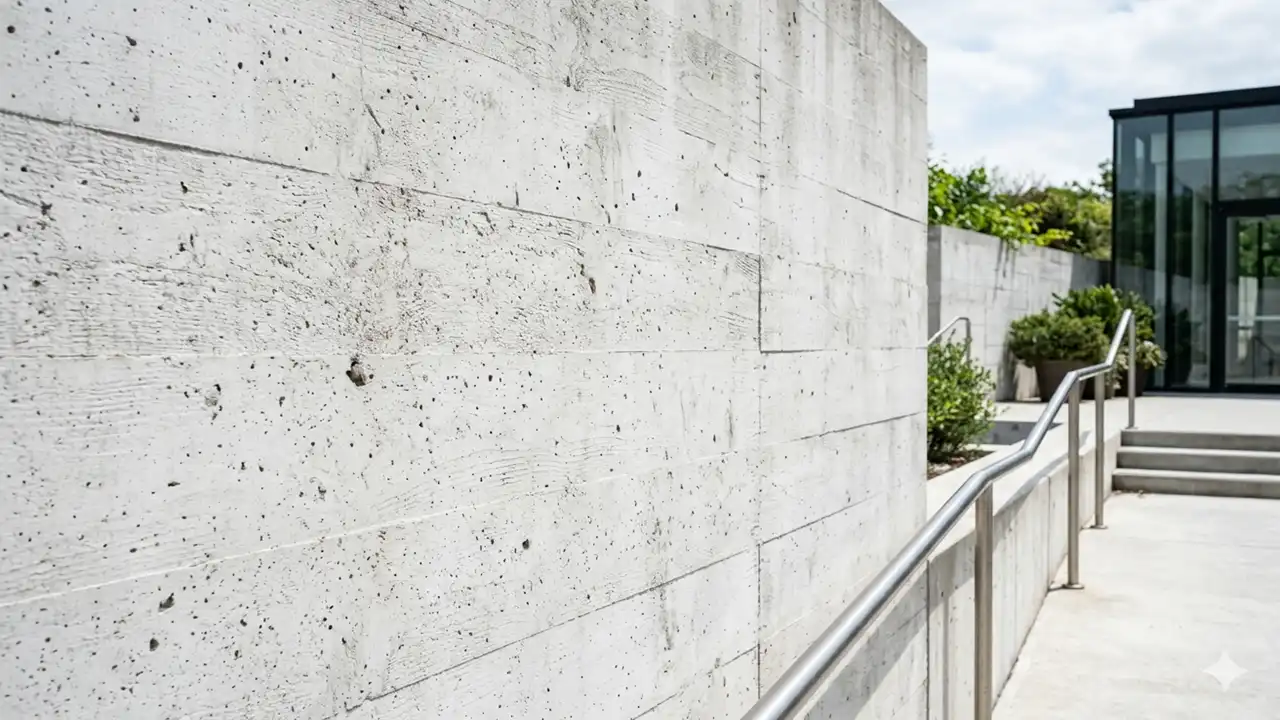
At its core, white cement is a variation of Ordinary Portland Cement (OPC). The primary difference lies in the manufacturing process. To achieve that snowy white color, manufacturers use raw materials that are low in iron and manganese—the minerals responsible for the dark grey hue of traditional cement.
Because it is fired at higher temperatures and ground more finely, it is often seen as a premium product. It isn’t just about looks, though; it provides a neutral base that allows pigments to pop, making it the go-to choice for architectural beauty and decorative finishes.
Key Benefits of Using White Cement in Construction
Why should you choose white cement over its more affordable grey counterpart? Here are a few compelling reasons:
- Superior Aesthetics: It provides a clean, sophisticated finish that enhances the brightness of any room.
- Versatility with Colors: Since it is a neutral white, you can mix it with inorganic pigments to create any shade of concrete or mortar you desire.
- Reflective Properties: High reflectivity makes it excellent for energy-saving initiatives, as it stays cooler under direct sunlight.
- Smooth Finish: It has a much finer particle size, which leads to a smoother surface that is ideal for interior design elements.
Popular Applications for White Cement
While it can be used for structural purposes, its cost usually reserves it for specialized tasks. Here is where white cement truly shines:
1. Wall Finishes and Putty
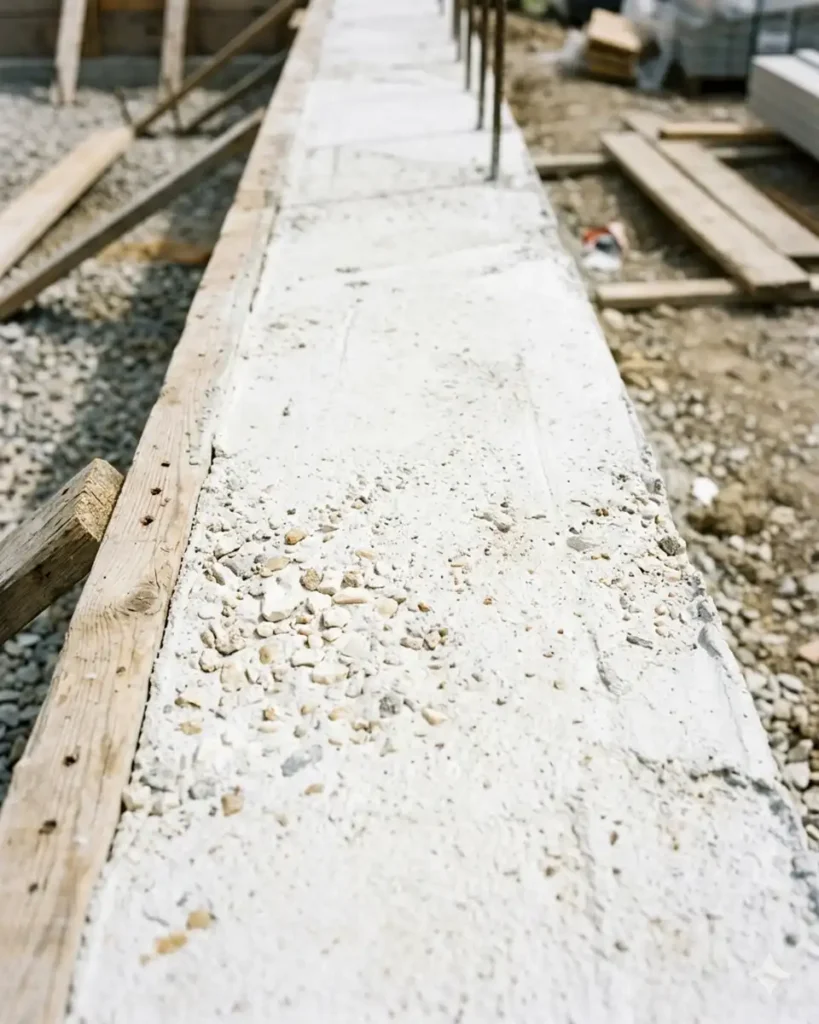
One of the most common uses is as a base coat for interior and exterior walls. When applied as a wall putty, it fills in the pores of the bricks or plaster, creating a smooth, white canvas that makes your paint colors look more vibrant and last longer.
Concrete Countertops: The Ultimate Guide to Style and Durability
2. Flooring and Terrazzo
If you’ve ever admired those beautiful speckled stone floors, you’ve likely seen white cement in action. It serves as the binding agent for marble chips or glass shards in Terrazzo flooring, ensuring the colors of the aggregates remain the focal point.
3. Tiling and Grouting
Standard grey cement can look messy between white or light-colored tiles. Using white cement for grouting ensures a seamless, high-end look in bathrooms and kitchens.
4. Decorative Art and Sculptures
From garden ornaments to intricate moldings on ceilings (POP designs), the fine texture of this material allows artists and builders to capture incredible detail that wouldn’t be possible with coarser materials.
How to Apply White Cement: A Step-by-Step Guide
To get the best results with white cement, you can’t just wing it. Follow these steps for a professional-grade finish:
Step 1: Surface Preparation
Ensure the surface is clean, free of dust, and slightly damp. If the surface is too dry, it will suck the moisture out of the cement, leading to cracks.
Step 2: The Right Mixing Ratio
For a standard wash or decorative coat, the ideal ratio is usually 2 parts white cement to 1 part water. Stir thoroughly to ensure there are no lumps; the consistency should be like thick cream.
Step 3: Application
Apply the mixture using a brush or a trowel, depending on the job. For walls, two coats are usually recommended. Ensure the first coat is dry before applying the second to prevent peeling.
Step 4: Curing
This is the step most people skip! Like all cement products, it needs water to gain strength. Lightly mist the surface with water 2–3 times a day for about 2 or 3 days after application.
White Cement vs. Grey Cement: Which Should You Choose?
| Feature | White Cement | Grey Cement |
| Primary Use | Decoration, finishing, and repair. | Structural foundations, beams, and slabs. |
| Strength | High, but expensive for bulk use. | High and cost-effective. |
| Setting Time | Generally faster. | Standard. |
| Cost | Higher due to specialized manufacturing. | Affordable. |
FAQs
Can I use white cement to fix cracks in my walls?
Yes! It is an excellent filler for minor cracks and gaps. However, for deep structural cracks, it is best to consult a professional to ensure there isn’t an underlying issue with the foundation.
The Ultimate Guide to Concrete Stain
Does white cement need to be painted?
It doesn’t have to be. Many people love the raw, matte white finish it provides. However, if you want a specific color or a glossy finish, it provides the perfect primer-like base for any paint.
Is white cement waterproof?
While it is more resistant to moisture than some materials, it is not inherently “waterproof.” For areas prone to heavy rain or plumbing leaks, it is best to mix it with a specialized waterproofing agent.
Elevate Your Home Design
Choosing white cement is an investment in the longevity and beauty of your property. From its role in creating stunning floors to its ability to provide a flawless finish for your walls, it remains one of the most versatile materials in the “Contraction” and renovation industry.