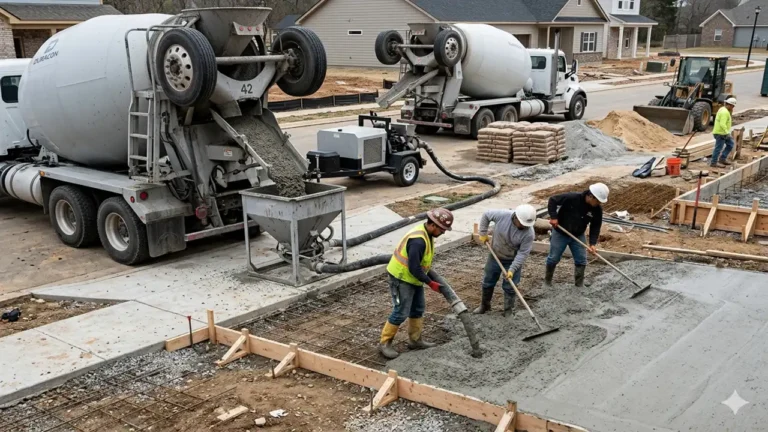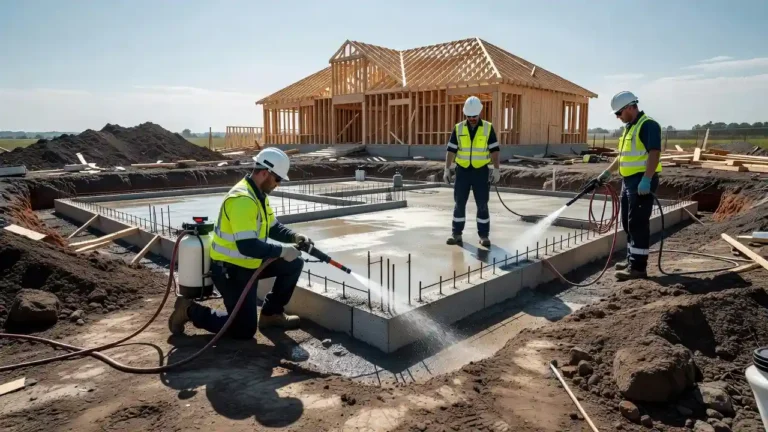
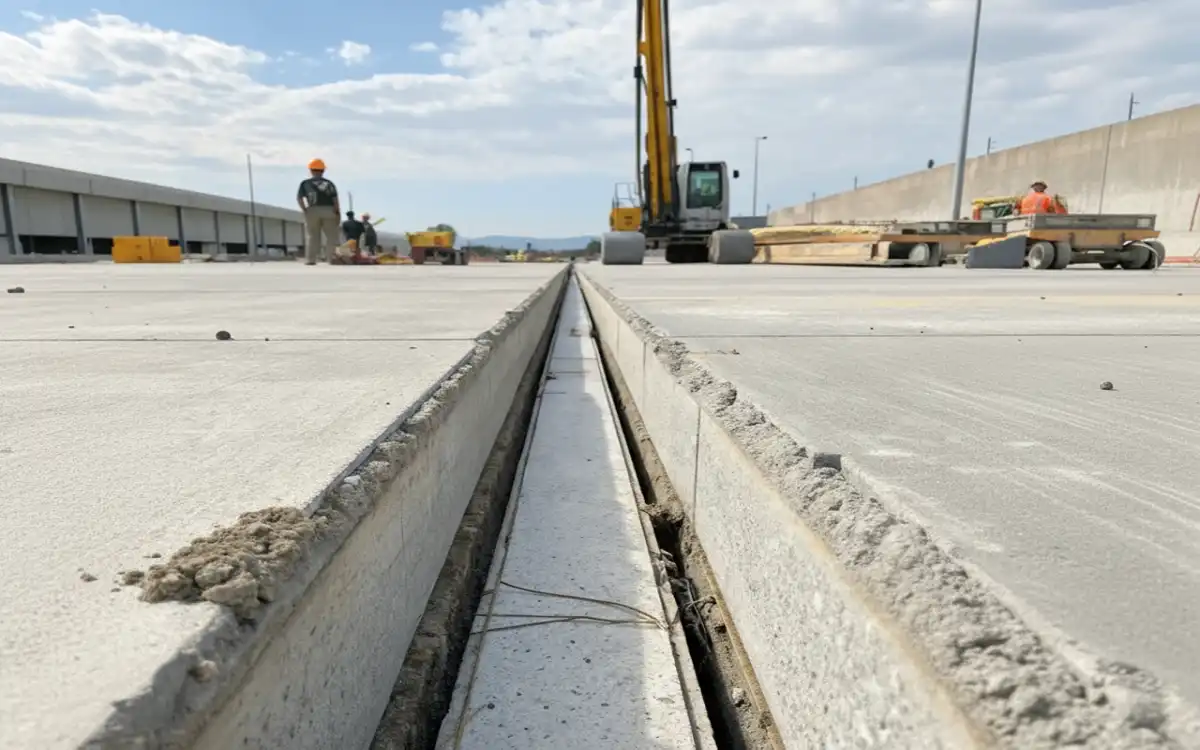
Precast concrete structures provide speed and accuracy in construction, but rely on effective expansion joint solutions to deal with movement caused by temperature and load shifts.
The joints mitigate cracking and contribute to effective long lasting durability. Innovations in 2025, such as NIST’s new connection systems, further enhance resilience in these systems.
What Are Expansion Joints?
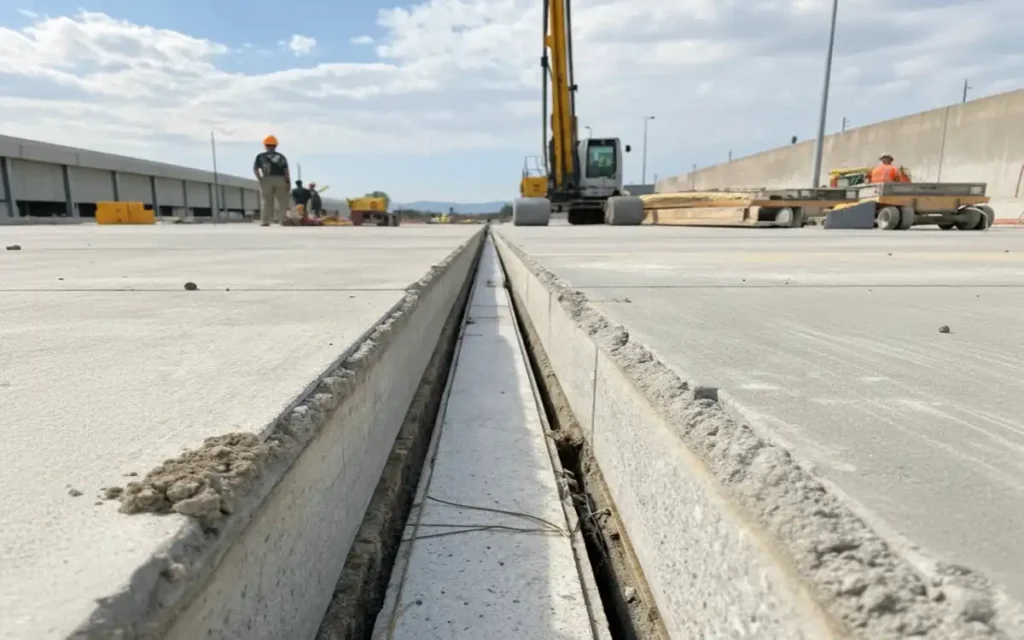
Expansion joints are intentional gaps incorporated in concrete structures to allow for unrestrained expansion and contraction due to thermal, moisture, or seismic movement.

In precast concrete structures, these joints are utilized to join factory made panels, beams, or slabs on site, all the while preserving the structural integrity of the concrete.
Precast concrete elements do not provide the seamless continuity in the structure that cast in place concrete provides. As such, the expansion joints in these structures serve as flexible bridges that absorb and accommodate thermal movement, which is typically calculated as length times temperature change times 0.0000055.
Role in Precast Concrete
Precast concrete construction streamlines the building process by fabricating components in parallel off site. In contrast, expansion joints serve to stabilize the connection points between the elements of the structure. These joints are responsible for transferring load, be it due to gravity, wind or earthquakes, among the various interconnecting elements of the structure, which may be walls, beams or floors.
In structures such as bridges or buildings, poor joints may lead to structural failures, leaks or even collapse, as seen in the Ronan Point building collapse. Effective expansion joint solutions provide ductility by allowing the stretching of the steel components prior to concrete being restrained by cracking.
Types of Expansion Joints
There are two main categories of expansion joints found in precast concrete: dry and wet. Each of which is tailored to meet particular conditions.
In dry joints, mechanical fasteners like bolts or welds allow for assembly without any grout.
Wet joints involve the alignment of elements with grout, which can be epoxy, cement, or polymer, to fill the gaps for added strength. Other examples include rubber gland joints, which seal, and post-tensioned systems that compress joints to add ductility and strength.
Design and Installation Fundamentals
Joint width is the first factor in design, and it can be between 2 and 12 inches, depending on the size of the building and the amount of movement anticipated. Engineers position them along lines that are non-load bearing, and the provision of gaps, sealants, and the addition of compression are also taken into account.
The alignment of pre-cast elements is done with great care. This may include embedded steel plates or dowels that serve the same purpose. Water ingress prevention is provided in the use of sealants or fillers that may be rubber or cork and may be poured in pre-set.
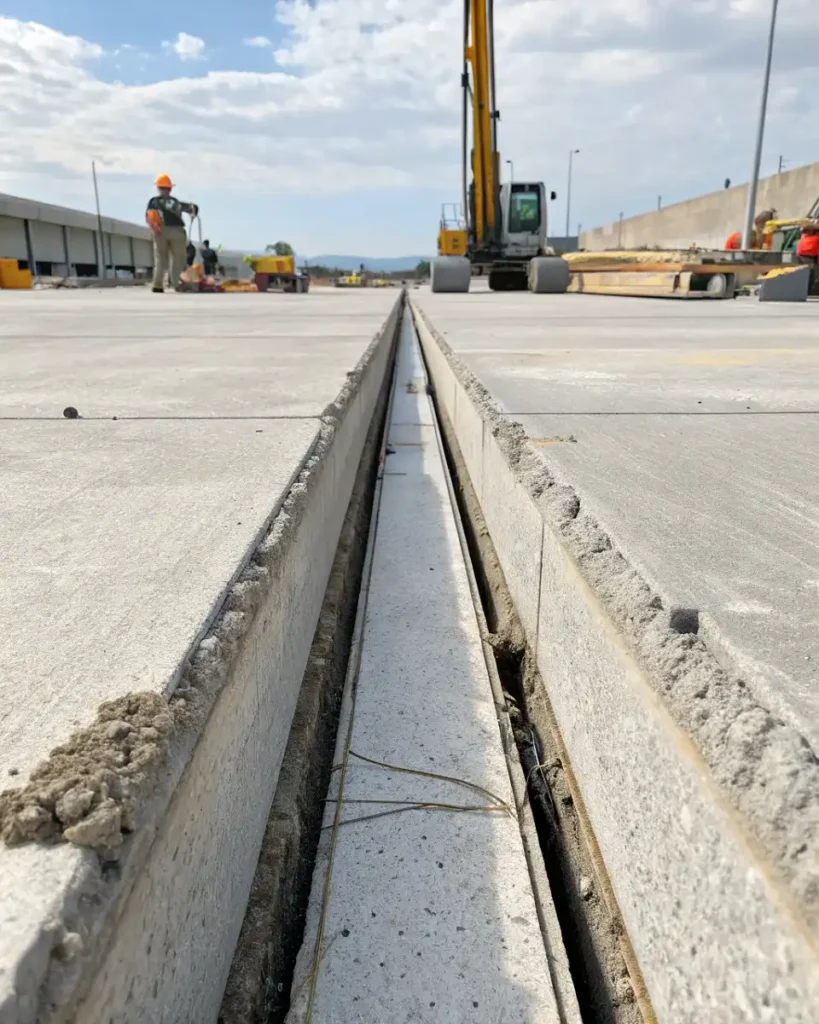
In the case of pre-cast pier supports of bridges, the joints provide for the vertical and horizontal movement that is associated with traffic or settlement.
Recent Updates for the 2025 Dates
In the September of 2025, five new methods of recycled concrete connection, tested by NIST for resilience to over 34 metric tons of force, would be released.
These methods include plates that are welded, brackets that are bolted, and systems that use pegs and holes that are filled with mortar for their intended use which is to prevent disproportionate collapse due to seismic or other similar activities.
The market for precast is expected to grow at a rate of 5.4 percent per annum to reach a total of 170 billion US Dollars by the year 2032, and this is expected to be spurred by the joint technology.
By 2032, the concrete expansion joint market will reach USD 1 billion, with anticipated focus on infrastructure.
| Type | Description | Key Materials | Applications | Movement Capacity |
| Dry Mechanical | Bolts, welds, or couplers for fast site assembly | Steel plates, nuts, rebar couplers | Beams to columns, walls | Low to medium (up to 2 inches) |
| Wet Grouted | Grout fills after alignment for load transfer | Epoxy, non-shrink cement, polymers | Slabs, foundations | Medium (2-6 inches) |
| Rubber Gland | Flexible seals for water-tightness | Molded rubber, polychloroprene | Bridges, piers | High (up to 12 inches) |
| Post-Tensioned | Cables compress joint for ductility | Steel tendons, grout | Seismic zones, high-rises | High with ductility |
| NIST 2025 Innovations | Welded plates, brackets, peg-hole for resilience | Steel rods, mortar | Resilient buildings, infrastructure | Extreme loads (34+ tons) |
Benefits and Applications
In addition to ensuring concrete pier designs provide durable wave and soil impact absorption, expansion joints reduce maintenance and relieve stress in all other environments, including the harsher ones. Cost reductions are achieved with precast concrete employing recycled aggregates and, with the joints, performance is assured.
Applications will continue to include all types of structures: buildings, bridges, and parking structures. Applied sealant profiles are superior to mastic sealant in waterproof seal.
Narrow joints run the risk of sealant failure, and wide ones pose aesthetic complications. Some of these include self-expanding, post-install cork fillers. Durable coatings and enclosures are required to mitigate corrosion in exposed areas.
In recycled precast concrete, joints proprietary concrete capsules retain strength with variable aggregates. Regular inspections are part of maintenance to eradicate issues.
Among modern requirements are the reliable expansion joints in precast concrete. The anticipated 2025 NIST advancements will also contribute to the increased safety of growing infrastructure. Builders will not only enhance efficiency, but also strength.
For Repair and Services
1924 W Edward Ln, Milwaukee, WI 53209, United States
Phone: +14142855933
Email: [email protected]