What Does a Construction Project Manager Actually Do?
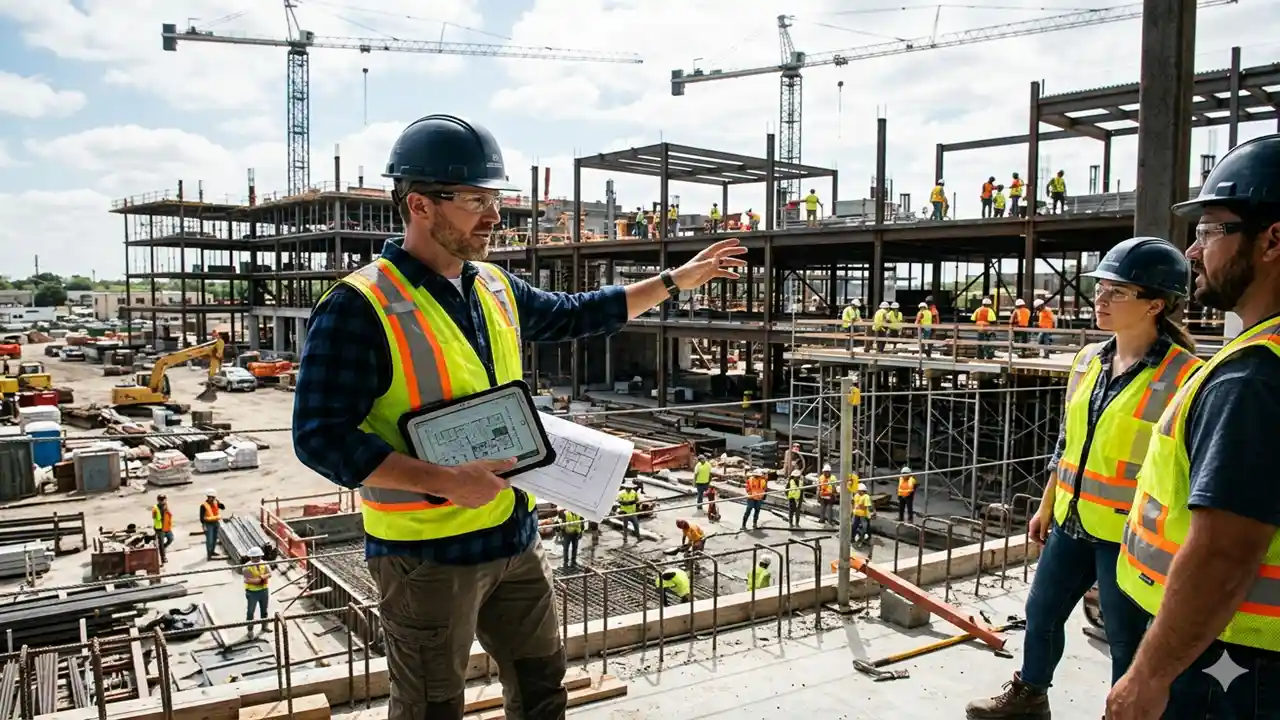
At its simplest, a construction project manager is responsible for the planning, coordination, and execution of a building project from start to finish. Unlike a site foreman who focuses on the day-to-day manual labor, the project manager takes a “big picture” approach.
The Lifecycle of a Project
The work usually begins long before the first shovel hits the ground. During the pre-construction phase, the manager assists in:
- Estimating Costs: Developing a realistic budget.
- Scheduling: Mapping out a timeline that accounts for weather, material shipping, and labor availability.
- Permitting: Navigating local building codes and legal requirements.
Once construction begins, the focus shifts to quality control and problem-solving. If a shipment of steel is delayed or a sub-contractor falls ill, the construction project manager is the one who must pivot the strategy to keep the project on track.
The Essential Guide to Becoming a Successful Construction Project Managerhttps://t.co/CxWuKeh7Ub
— Atholton News (@atholtonnews55) April 23, 2026
Construction Robotics News: The 2026 Shift to Autonomous Jobsites
Core Responsibilities of the Role
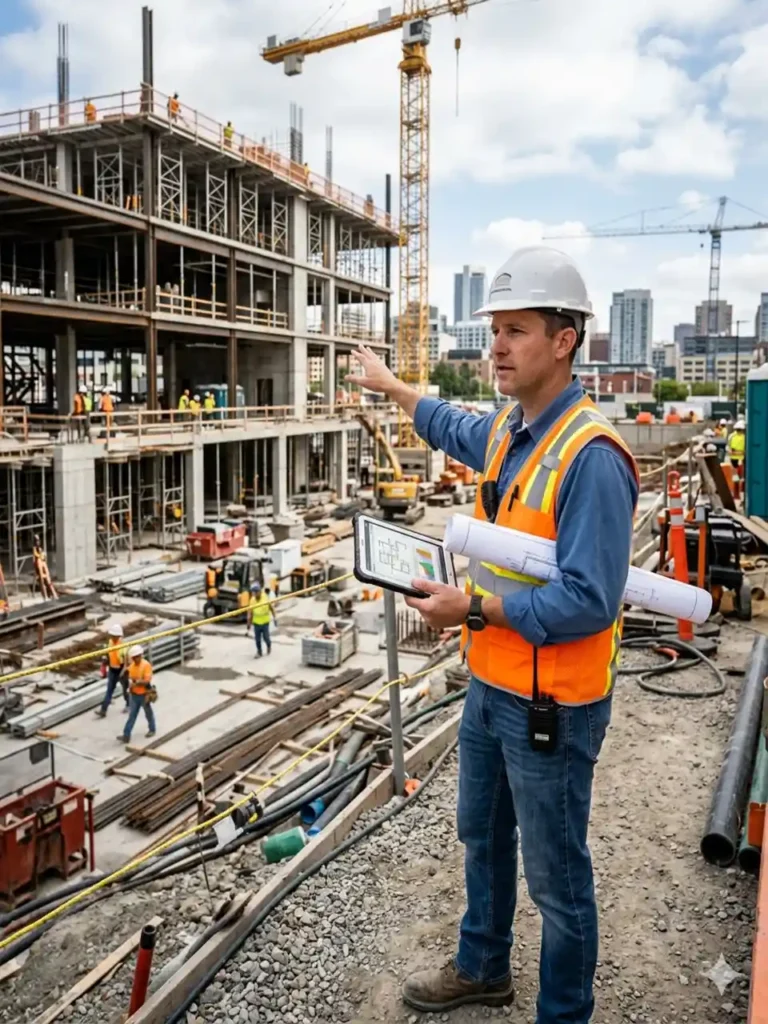
To be an effective construction project manager, one must wear many hats. It is a role that balances administrative work with hands-on site inspections.
1. Budget Management and Cost Control
One of the biggest “pain points” in the industry is budget overruns. A manager must constantly monitor spending, approve invoices, and manage “change orders” those inevitable requests to modify the original plan that can quickly drain a project’s funds.
2. Team Coordination and Leadership
A construction site is a melting pot of specialists, including architects, engineers, electricians, and carpenters. The manager ensures everyone is communicating effectively. They act as the primary point of contact for the client, translating technical jargon into clear updates.
3. Safety and Compliance
Safety isn’t just a checkbox; it’s a legal and moral imperative. A construction project manager ensures that the site adheres to OSHA standards (or local equivalents) to prevent accidents and avoid costly fines.
Concrete Cement Mixers: The Ultimate Guide to Choosing and Using the Right Equipment
Essential Skills for the Modern Construction Leader
If you are looking to excel as a construction project manager, you need a blend of “hard” technical knowledge and “soft” interpersonal skills.
Technical Proficiency
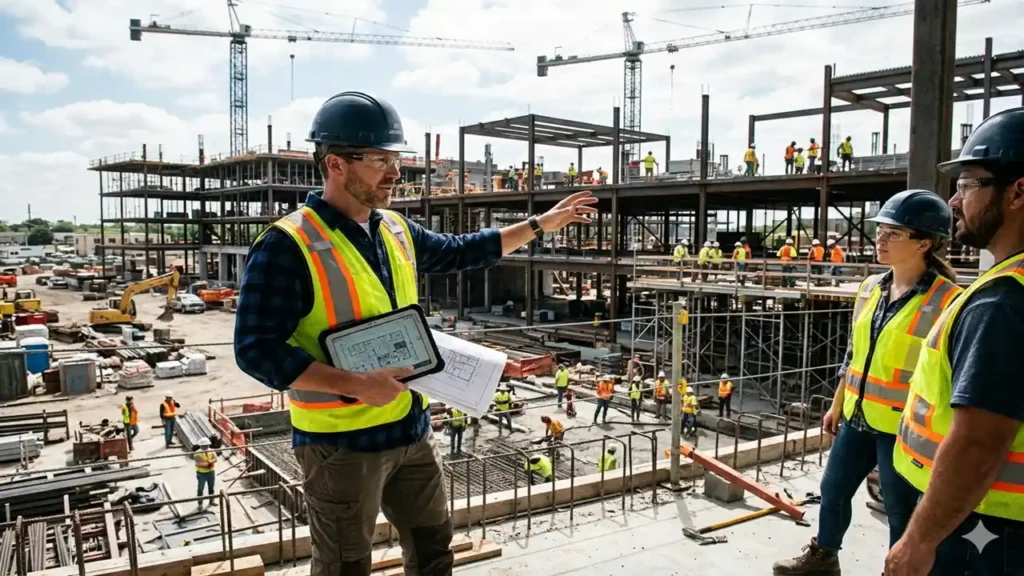
You don’t necessarily need to know how to weld, but you must understand the process. Familiarity with project management software (like Procore or AutoDesk) is now a standard requirement. You must also be able to read complex blueprints and understand the structural requirements of different materials.
Communication and Negotiation
Much of the day is spent negotiating. You might be haggling with a supplier over the price of lumber or de-escalating a conflict between two different crews. Being able to remain calm under pressure and speak clearly is vital.
Problem-Solving Under Pressure
In construction, things rarely go exactly according to plan. A successful construction project manager is someone who doesn’t panic when a pipe bursts or a delivery is lost. They find a workaround and keep the momentum moving.
What is Electronic Distance Meter Construction: A Complete Guide to EDM
How to Become a Construction Project Manager
The path to this career often follows one of two routes: formal education or years of field experience.
Educational Path
Many modern firms prefer candidates with a bachelor’s degree in construction science, civil engineering, or architecture. These programs teach the fundamentals of physics, cost estimation, and contract law.
Experience-Based Path
Some of the best managers started as laborers or tradespeople. By working their way up to foreman and then superintendent, they gain an intuitive understanding of how a site functions that a classroom simply can’t provide.
Professional Certifications
To boost your resume, consider obtaining a certification such as:
- CCM (Certified Construction Manager): Offered by the CMCI.
- PMP (Project Management Professional): A globally recognized credential for project leaders in any industry.
Common Challenges in Construction Management
Even the most seasoned construction project manager faces hurdles. Understanding these common pitfalls can help you prepare for the reality of the job.
- Scope Creep: This happens when a client keeps adding small “extra” tasks that eventually blow the budget and timeline.
- Labor Shortages: Finding skilled tradespeople is currently a significant challenge in the global market.
- Supply Chain Disruptions: As seen in recent years, the cost and availability of materials like lumber and resin can fluctuate wildly.
Frequently Asked Questions
What is the difference between a Project Manager and a Site Superintendent?
While they work closely together, the construction project manager focuses on the “office” side budgets, contracts, and client relations. The Site Superintendent is the “boots on the ground” leader who manages the physical work and daily labor on-site.
Is a career as a construction project manager stressful?
It can be. The responsibility of managing millions of dollars and ensuring the safety of workers is significant. However, for those who enjoy variety and seeing a physical result of their hard work, it is incredibly fulfilling.
The Ultimate Guide to Choosing and Using a concrete buggy
What is the average salary for this role?
While it varies by location, an experienced construction project manager can expect a competitive salary, often ranging from $80,000 to over $130,000 per year, depending on the scale of the projects they manage.
Building Your Future
The role of a construction project manager is more than just a job; it’s a career built on leadership, technical expertise, and resilience. As cities expand and infrastructure needs to be modernized, the demand for skilled individuals who can shepherd a project from a simple concept to a finished structure will only continue to grow.