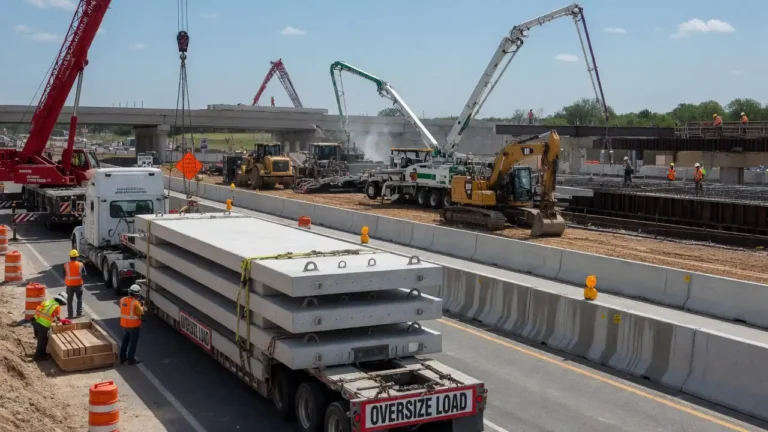

The construction industry is undergoing a digital transformation that is changing how we build our world. If you’ve been keeping up with the latest construction robotics news, you know that the sector is shifting from traditional, labor-intensive methods to a more automated, data-driven approach.
The Rise of Automation in Modern Construction
For years, construction has lagged behind manufacturing in adopting advanced technology. However, recent developments in construction robotics news highlight a major pivot toward “Construction 4.0.” This evolution focuses on digitalizing and industrializing the construction process to improve productivity, sustainability, and quality.
Xactimate: The Ultimate Guide to Modern Construction Estimating in 2026
According to research from the Frontiers journal, while the speed of adoption varies by region, countries in Asia and Europe are currently leading the charge with significant investments in autonomous bricklaying and swarm robotics (Earnest, 2026). As firms seek to overcome labor shortages and improve profit margins, automation has moved from pilot projects to essential equipment in the contractor’s toolkit.

Key Technologies Transforming Job Sites
What does the current landscape of construction technology look like? Today’s construction robotics news often focuses on a few core areas where robots provide the most immediate value:
- Exoskeletons: Wearable technology that reduces physical strain, helping workers manage heavy lifting with less fatigue and lower risk of musculoskeletal disorders.
- Autonomous Earthmoving: Equipment from companies like Built Robotics can perform excavation and site preparation with high precision, removing humans from high-risk environments.
- Robotic Floor Layout Printers: Technologies like those from Dusty Robotics are automating the tedious, manual task of floor marking, increasing accuracy while saving hours of manual labor.
- Unmanned Aerial Vehicles (UAVs): Drones are now standard for site inspections, providing real-time data and safety monitoring without requiring workers to climb into dangerous areas.
Construction Robotics News: The 2026 Shift to Autonomous Jobsiteshttps://t.co/zESGN2qpVb
— Atholton News (@atholtonnews55) April 22, 2026
Why Safety is the Top Priority
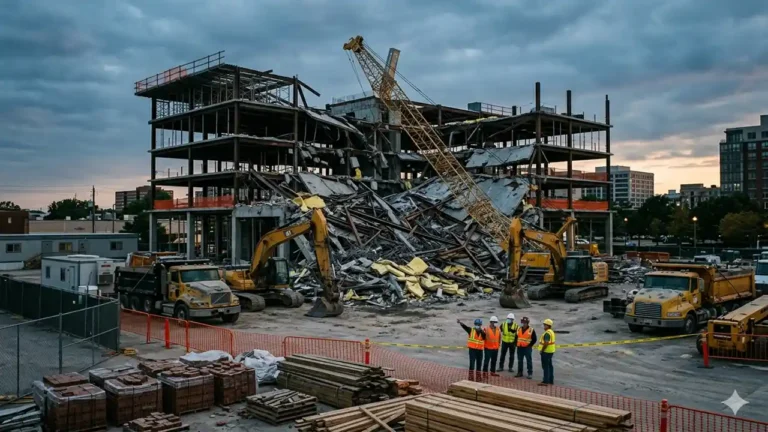
A major theme in the latest construction robotics news is the enhancement of workplace safety. Traditional construction sites are fraught with hazards, ranging from falls to heavy machinery accidents.
Automation offers a powerful solution by “removing the human from the hazard.” By utilizing remote-controlled demolition robots or automated assembly systems, companies can keep personnel away from the most dangerous zones. As noted in a recent report by RINNO, intelligent construction equipment and robotics significantly mitigate risks by performing tasks in perilous environments, thus reducing the industry’s high injury statistics (Arruda, 2024).
The Ultimate Guide to BIM 360: Revolutionizing Modern Construction
Overcoming Barriers to Adoption
Despite the benefits, why aren’t robots on every job site? The transition isn’t without its challenges. Industry experts often point to three primary hurdles:
- High Capital Costs: Smaller firms often struggle with the initial investment required for advanced robotic platforms.
- Unstructured Environments: Unlike a factory floor, construction sites are dynamic and unpredictable. Robotics developers are working hard to ensure machines can navigate complex, uneven terrain safely.
- Skills Gap: Adopting these tools requires a new type of worker who is comfortable with digital systems. Training and upskilling are now critical components of the modern construction business model.
The Future of the Industry: Trends to Watch
Looking ahead, the next few years of construction robotics news will likely be defined by “co-bots”—robots designed to work alongside humans rather than replace them. This collaborative approach focuses on augmenting human skills, allowing for higher precision and efficiency while keeping the human workforce in the loop for decision-making.
Furthermore, AI-driven computer vision is becoming more sophisticated. According to a review in MDPI, the “Sense-Think-Act” framework is now being used to help robots better interpret their surroundings, allowing for safer and more autonomous navigation in real-world settings (Ren, 2025).
Concrete Companies Near Me: A Guide to Choosing the Right Professional

Frequently Asked Questions
To help you navigate the changing landscape, here are the answers to some common questions:
- Are robots replacing construction workers? Not generally. The current trend is to use robots for “dull, dirty, and dangerous” tasks, which helps fill the gap left by labor shortages and makes the industry more attractive to a new generation of workers.
- How do these technologies affect project costs? While initial capital costs are high, automation often leads to significant savings in time and materials, ultimately improving overall project profitability (Khan & Pipaliya, 2024).
- Where can I stay updated on construction robotics news? Industry-leading publications and benchmarking reports, such as those from BuiltWorlds, are excellent resources for tracking the adoption and performance of these technologies.
Construction Site: A Guide to Modern Management and Safety
Final
The integration of robotics is no longer a distant possibility; it is a current reality that is actively reshaping the construction sector. By focusing on safety, efficiency, and worker augmentation, these technologies are helping the industry overcome some of its most persistent challenges.
As the construction robotics news continues to evolve, firms that prioritize learning and early adoption will be the ones best positioned for success in the coming decade. Whether you are a general contractor or a student in the field, now is the time to engage with these advancements.