


Precast concrete surfaces offer speed and strength in construction, but they often need extra care to look good and last long. Wall putty steps in as a key player to smooth out flaws and protect these surfaces before painting.
What is Wall Putty?
Wall putty is a thick paste made from cement, polymers, and fine fillers. Builders apply it to walls to create a smooth base for paint. It fills small cracks and hides uneven spots on surfaces like precast concrete.
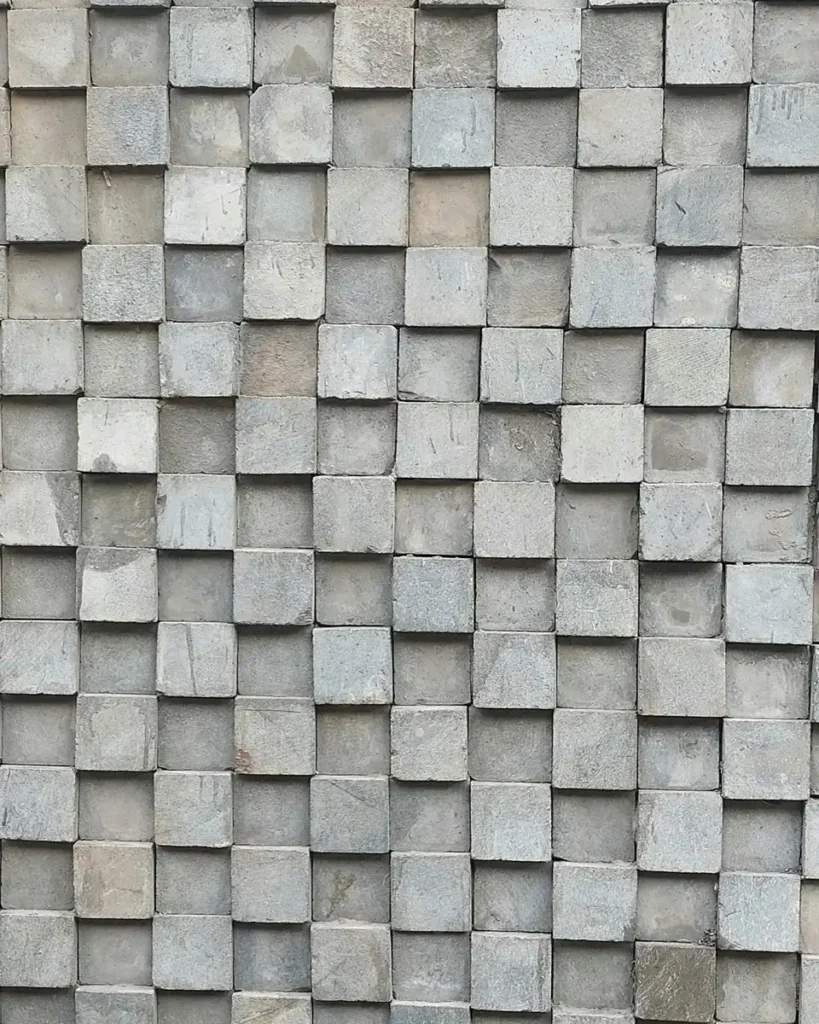
This material comes in powder or ready-mix forms. You mix it with water for easy use. On precast concrete, which is cast in factories and then installed, wall bonds well to the rough textures.
Precast Concrete Challenges
Precast concrete blocks arrive with a rough finish from molds. These concrete block walls show seams, air bubbles, and texture variations. Without treatment, paint peels off fast.
Weather hits precast panels hard outdoors. Rain, sun, and dust cause cracks over time. In 2026, new standards push for better surface prep on precast concrete to meet green building codes.
Role of Wall Putty on Precast
Wall putty fills pores in precast concrete surfaces. It creates a uniform layer that paint grips tightly. This stops moisture from seeping in and causing damage.
Apply it in thin coats after cleaning the surface. It dries fast and sands smooth. For precast concrete textures, putty evens out the natural roughness for a pro finish.
Key Benefits
Wall boosts durability on precast setups. It shields against water and UV rays. Paint lasts 2-3 times longer with this base layer.
- Smooths rough precast concrete surfaces.
- Improves paint adhesion to avoid flaking.
- Blocks dampness and minor cracks.
- Cuts repair costs over time.
Users report fewer repaints on treated precast walls. In humid areas, it fights mold growth too.
Types of Wall Putty
Cement-based wall putty suits outdoor precast concrete. It handles weather better than plaster types.
Polymer offers flexibility for indoor use. It resists shrinking and cracking. Pick based on the site’s needs.
| Type | Best For | Key Features | Drying Time | Coverage (sq ft/kg) |
| Cement-Based | Exterior precast concrete | Water-resistant, strong bond | 4-6 hours | 25-30 |
| Polymer-Enhanced | Interior walls | Flexible, anti-crack | 2-4 hours | 30-35 |
| Acrylic Ready-Mix | Quick jobs | Easy apply, no mix | 1-2 hours | 20-25 |
This table helps choose the right wall putty for precast projects.
2026 Updates in Wall Putty
In 2026, brands released eco-friendly with low VOCs. New formulas include nano-additives for better precast adhesion. These updates meet updated ASTM standards for concrete finishes.
One popular line now has anti-fungal agents for precast in wet zones. Test reports show 20% stronger bonding on precast concrete textures.
Application Steps
Prep the precast surface first. Wash off dust and oils. Let it dry fully.
Mix wall to a creamy paste. Spread with a putty knife in thin layers. Sand after each coat dries.
- Clean precast concrete block wall.
- Apply first coat of wall putty.
- Sand lightly after 4 hours.
- Add second coat if needed.
- Prime before painting.
Two coats often suffice for precast. Pros finish a wall in one day.
Comparison with Alternatives
Wall putty beats white cement for surface prep. Cement binds strong but lacks smoothness. Putty focuses on even finish for paint.
Plaster of Paris (POP) cracks on precast. Wall flexes with the concrete.
| Material | Smoothness | Water Resistance | Paint Grip | Cost per kg |
| Wall Putty | High | Good | Excellent | Medium |
| White Cement | Low | High | Fair | Low |
| POP | Medium | Poor | Good | Low |
Wall putty wins for precast concrete prep.
Real-World Uses
In modern homes, precast panels form quick walls. Wall ensures they look painted perfection. Factories now recommend it for compound walls.
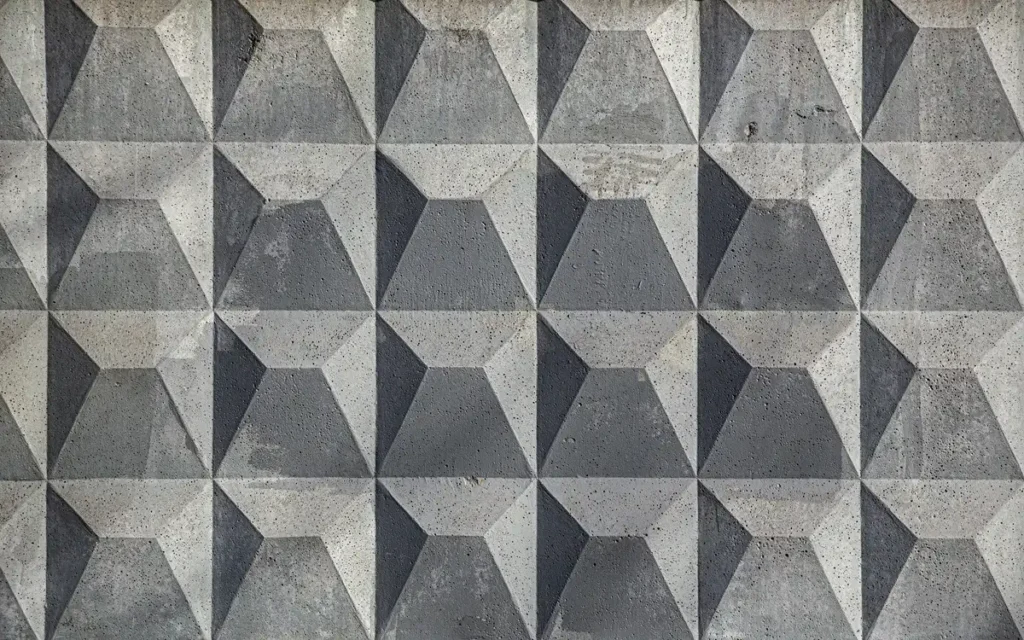
Commercial buildings use it on precast facades. It hides joints and adds style. One 2026 project in India coated 10,000 sq ft with zero callbacks.
Maintenance Tips
Check treated surfaces yearly. Touch up hairline cracks with fresh wall putty. Avoid direct water jets on painted areas.
For precast concrete, reapply every 5-7 years in harsh climates. This keeps the look fresh.
Cost Savings
Wall adds little upfront but saves big. Untreated precast needs repaints sooner, hiking costs 30-40%.
A 100 sq ft wall uses 4-5 kg at $1-2 per kg. Long-term, it pays off.
Why Choose Wall Putty Now?
Builders favor precast for fast builds. makes it finish-ready. With 2026’s durable formulas, it’s smarter than ever.
For Repair and Services
1924 W Edward Ln, Milwaukee, WI 53209, United States
Phone: +14142855933
Email: [email protected]
Leave a Reply