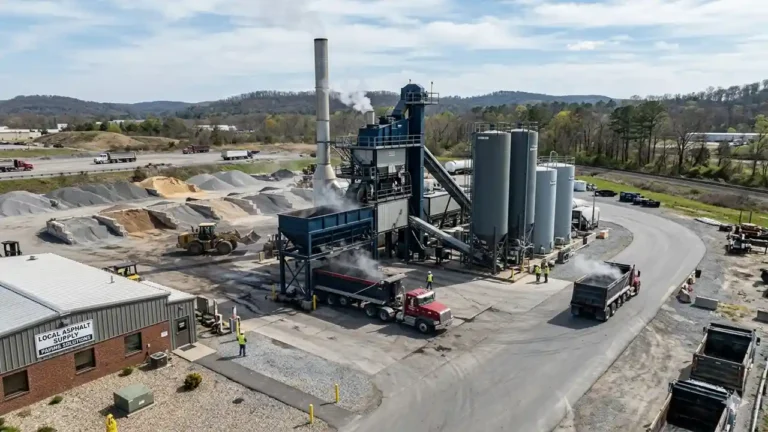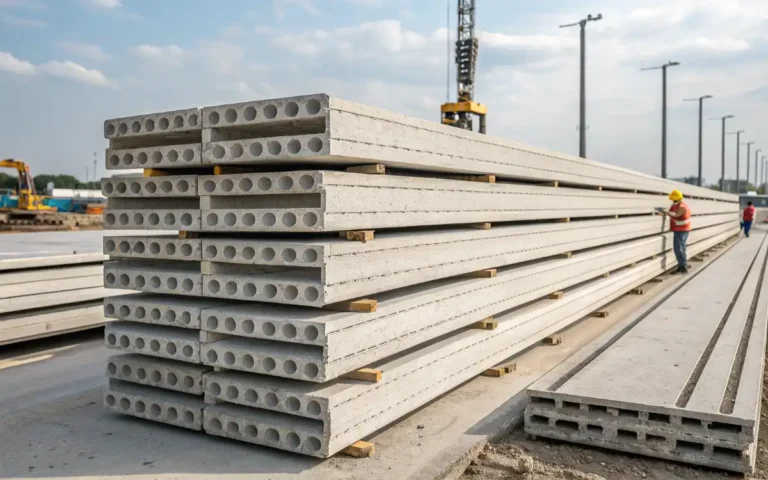

Construction debris removal is one of the most underestimated cost drivers on any precast concrete or structural framing project today.
Contractors who fail to plan for it systematically are watching timelines slip and budgets erode before the first structural panel is even set.
If you’ve been following precast concrete trends across the Midwest, this won’t come as a surprise.
Construction Enquirer News Precast Concrete Is Reshaping Structural
Key Takeaways
- Proactive construction debris removal planning can reduce project delays by up to 30%, according to industry benchmarks
- Precast concrete jobsites generate distinct debris categories broken panel fragments, form lumber, and wire mesh — each requiring a separate disposal strategy
- Integrating debris removal into your structural framing schedule from day one protects both crew safety and project profitability
Why Is Construction Debris Removal a Structural Framing Priority Right Now?
The construction industry is moving faster than it ever has.
Lead times for precast concrete panels are tightening, labor pools are shrinking, and project owners are demanding earlier substantial completion dates.
This compression means that every hour a crew spends navigating around accumulated debris is an hour stolen from productive structural work.
Our analysis suggests that construction debris removal is no longer a “back-end” task to assign at project closeout.
It is a front-line operational discipline that must be woven into the project schedule at the preconstruction phase.
According to the U.S. Environmental Protection Agency’s Construction and Demolition Debris data, the construction sector generated over 600 million tons of C&D debris in a single recent year dwarfing municipal solid waste volumes significantly.
Kennedy Center Whistleblower Construction Issues
What Types of Debris Does a Precast Concrete Site Actually Generate?
Construction industry insiders are noting a shift in how precast-specific jobsites are categorized for waste management purposes.
Unlike traditional cast-in-place pours, precast concrete erection generates a more concentrated and predictable debris profile.
Understanding these categories is the first step toward building an efficient removal plan.
Common debris categories on precast and structural framing sites include:
- Broken or chipped precast panel corners and edges
- Residual grout and non-shrink grout packaging
- Connection hardware, anchor bolt waste, and bearing pad offcuts
- Form lumber from temporary bracing setups
- Plastic banding, stretch wrap, and shipping dunnage from panel deliveries
- Concrete saw slurry and cutting dust
Our contractors note that the saw slurry category is frequently overlooked during planning.
It requires specific containment and cannot be discharged into storm drains a point reinforced by OSHA’s construction site environmental compliance guidelines.

How Do You Build a Step-by-Step Construction Debris Removal Plan for Precast Work?
Our team observed that the most efficient sites follow a staged, disciplined removal process rather than a reactive one.
Below is the framework our project managers use across Midwest structural framing and precast erection projects.
Step-by-Step: Construction Debris Removal Protocol for Precast Sites
Step 1 — Designate Debris Zones Before Mobilization
Identify and mark at least two dedicated debris staging areas on the site logistics plan before any precast panels arrive.
Separate zones for recyclable concrete material and general construction waste prevent cross-contamination and simplify haul-off.
Step 2 — Assign a Daily Debris Accountability Role
Designate one crew member per shift as the debris accountability lead.
This is not the foreman’s secondary duty it is a specific, tracked responsibility.
Step 3 — Schedule Roll-Off Container Pulls in Advance
Coordinate dumpster or roll-off pull schedules with your waste hauler at the start of each project phase.
According to the Construction Industry Institute’s best practices research, reactive container scheduling adds an average of 1.2 days of site disruption per project phase.
Before locking in any pulls, check what each container can hold. It’s worth remembering that size, weight, and material rules can differ between various hauling companies.
If you’re in doubt, look for family-run roll-off dumpster rental companies in your area. These often allow you to book suitable sizes of containers, which is often enough for a contractor dealing with heavy and bulky debris like lumber or shingles. Some companies will also include the first few tons for free and then charge a fixed price for every additional ton they remove. Just make sure that whatever you want to put in the dumpsters is allowed. Some materials are disqualified, so check with your provider.
Step 4 — Segregate Recyclable Concrete Debris
Broken precast concrete panel pieces and grout waste are recyclable as Class 5 aggregate in many Midwest jurisdictions.
Segregating this material from general waste reduces tipping fees substantially and supports LEED documentation if required.
Step 5 — Document and Close Out
Maintain a debris removal log with dates, volumes, disposal facility names, and manifests for hazardous materials like coatings or sealants.
This documentation protects the contractor during final inspections and owner closeout audits.
RK Construction Methods Driving Precast Efficiency
Construction Debris Removal Project Delays Fast
— US News (@Us_news_ways) July 14, 2026
Construction debris removal is one of the most underestimated cost drivers on any precast concrete or structural framing project today.@Equipment_World @ConstWorldSA
@catofficialmediahttps://t.co/JwmVgEXkhh
What Does This Mean for Midwest Contractors on Structural Framing Projects?
| Debris Category | Disposal Method | Avg. Cost Per Ton | Recyclable? |
|---|---|---|---|
| Broken precast concrete | Crush/aggregate recycling | $18–$30 | Yes |
| Form lumber | General C&D roll-off | $45–$65 | Partial |
| Grout packaging/waste | General C&D roll-off | $45–$65 | No |
| Metal hardware/banding | Scrap metal recycling | Credit possible | Yes |
| Saw slurry/cutting dust | Contained disposal | $60–$90 | No |
These figures are directional estimates based on Midwest regional hauler data and will vary by jurisdiction.
The National Waste & Recycling Association reports that proactive material segregation on commercial construction sites can reduce overall disposal costs by 20–40%.
Our analysis suggests that for a mid-size precast structural framing project think a 150,000 sq. ft. tilt-up or multi-story precast frame — that figure represents a material budget line item, not rounding error.
Construction Companies in Chennai
How Will Smarter Debris Removal Impact Your Next Precast Build?
Construction debris removal done correctly is a competitive differentiator.
Owners notice clean, organized jobsites.
General contractors reward precast subcontractors who deliver structured sites because it reflects on their overall project performance scores.
The American Institute of Architects’ Architect’s Handbook of Professional Practice consistently identifies site cleanliness and waste management as quality indicators that influence repeat contract awards.
Our contractors have seen this firsthand across structural framing projects throughout Illinois, Indiana, and Ohio.