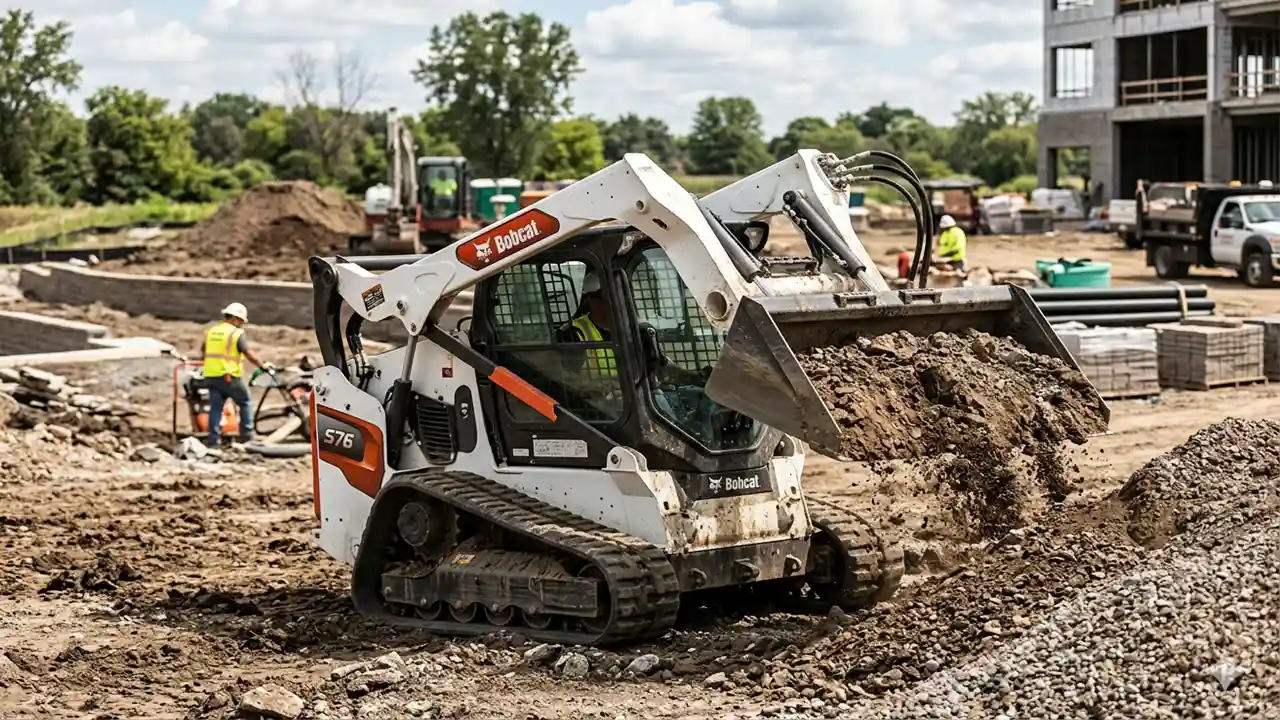
When it comes to construction, landscaping, and site management, few machines are as iconic or as essential as the bobcat skid steer. Known for its incredible maneuverability and ability to handle a vast array of tasks with just a quick change of attachments, this compact loader has become the backbone of job sites worldwide.
Whether you are moving debris, grading land, or lifting heavy materials, understanding how to select and operate a bobcat skid steer effectively can drastically increase your productivity.
In this guide, we will explore why these machines remain the industry standard, how to choose the right model for your specific needs, and the essential safety and maintenance practices every operator should follow.
Rhreporting.nic.in 2020-21 new list odisha
The Unmatched Versatility of a Bobcat Skid Steer
The primary reason for the enduring popularity of the bobcat skid steer is its sheer versatility. Because of their compact frame and “skid” steering mechanism where the wheels on one side are locked or driven at different speeds than the other to allow for tight turns these machines can operate in areas where larger equipment simply cannot fit.
Beyond basic earthmoving, a bobcat skid steer serves as a multi-tool platform. By swapping out the standard bucket for specialized attachments, you can transform the machine into a:
- Trencher for utility installation.
- Auger for post-hole digging.
- Brush cutter for land clearing.
- Pallet fork for material handling.
According to insights from ConstructConnect, using the right equipment for the specific task at hand is fundamental to project efficiency and site safety. By matching the right attachment to your bobcat skid steer, you minimize the need for multiple machines, saving both time and overhead costs.
Selecting the Right Model for Your Job Site
Choosing the perfect bobcat skid steer requires balancing performance specifications with the constraints of your environment. Before settling on a purchase or rental, consider the following key factors:
- Rated Operating Capacity (ROC): This defines the maximum weight your machine can safely lift. If you are moving heavy pallets or stone, ensure the ROC aligns with your heaviest expected load.
- Size and Dimensions: If your work is primarily indoors or in restricted urban corridors, a smaller frame size is essential.
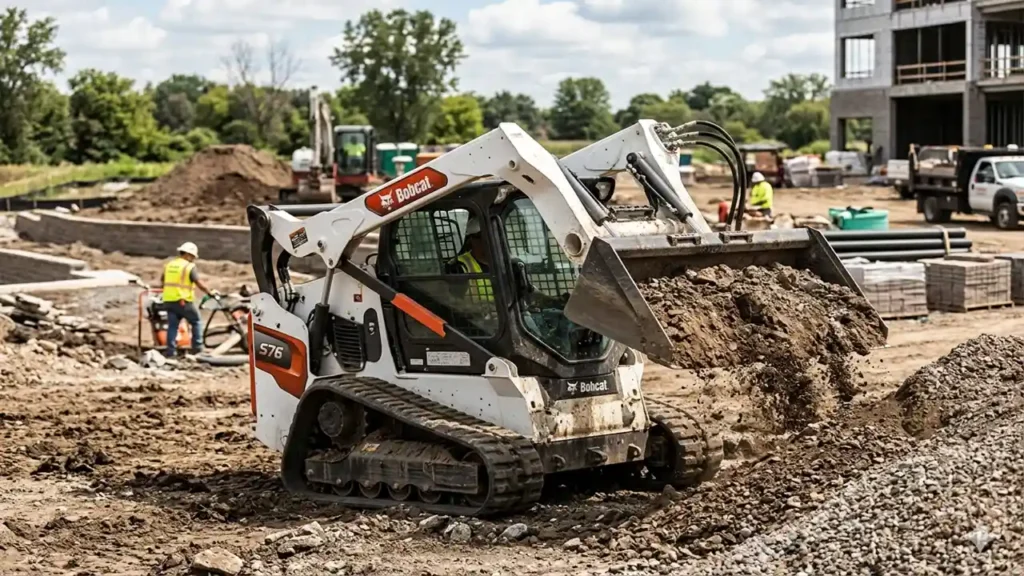
- Tires vs. Tracks: A bobcat skid steer typically comes with tires, which perform exceptionally well on hard surfaces like concrete and asphalt. If your work involves soft, muddy, or sandy terrain, you may want to look at a Compact Track Loader (CTL) version for better flotation.
- Hydraulic Flow: Ensure the machine’s hydraulic capacity can support the attachments you plan to use, as high-flow attachments require more power to operate efficiently.
Routine Maintenance: Protecting Your Investment
A well-maintained machine is a productive one. As noted by Penn State Extension, neglecting basic upkeep can lead to costly downtime or, worse, safety hazards. Establishing a daily checklist for your bobcat skid steer is a best practice for any professional:
- Fluid Checks: Monitor engine oil, hydraulic fluid, and coolant levels. Consistent fluid levels are the first line of defense against engine failure.
- Tire/Track Inspection: Check tire pressure or track tension regularly. Properly maintained traction components significantly reduce wear and improve fuel economy.
- Cleaning the Cooling System: In debris-heavy environments, dust can quickly clog radiators. Cleaning these components prevents the engine from overheating.
- Greasing Pivot Points: Lubricating lift arms and pins daily ensures smooth operation and prevents mechanical binding.
EY Coral Building Bagmane World Technology Center
Prioritizing Safety in Operations
Operating a bobcat skid steer requires constant situational awareness. Because these machines can pivot on a dime, they pose unique risks to bystanders and the operator.
According to guidance from RPF Environmental, heavy equipment operators must undergo rigorous training to understand their machine’s blind spots. Always maintain the “three-point rule” when entering or exiting the cab, and ensure that the seatbelt and restraint bar are used every time you operate the machine to prevent injury in the event of a rollover. Furthermore, never attempt to bypass factory-installed safety interlocks, as these systems are specifically designed to protect the operator during a tip-over incident.
Enhancing Efficiency on the Job Site
Efficiency isn’t just about speed; it’s about smart operation. When hauling loads, always keep your bucket low to maintain a low center of gravity, which enhances machine stability. If you are working on a slope, drive forward up the hill and reverse down it (when the bucket is loaded) to maintain balance.
By familiarizing yourself with your specific model’s manual, you can learn advanced techniques for smoother cycle times, such as managing your “loader cycle time”—the speed at which the lift arms move. Mastering these subtle movements will make your bobcat skid steer operation feel like an extension of your own body, leading to better results with less fuel consumption.
Construction Robotics News: The Future of Job Sites
Conclusion: Take Control of Your Productivity
The bobcat skid steer remains an indispensable asset for construction and landscaping professionals because of its reliability, power, and adaptability. Whether you are navigating tight residential spaces or handling massive material volumes on a commercial site, choosing the right machine and treating it with proper maintenance and safety protocols will yield significant dividends for years to come.