
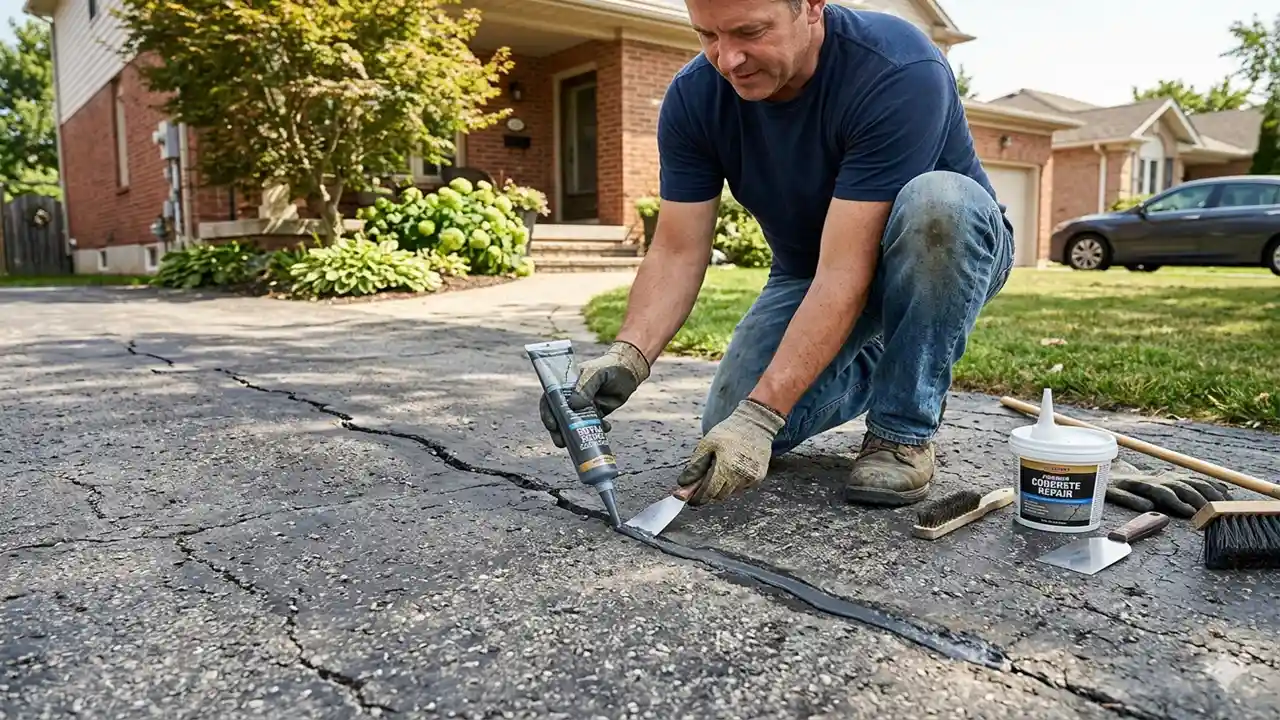
Why You Shouldn’t Ignore Concrete Cracks
It is tempting to look at a thin crack and think, “I’ll get to it next year.” However, concrete is porous. When water enters a crack, it undergoes a freeze-thaw cycle. In the winter, that water freezes and expands, physically pushing the concrete apart. By spring, what was a hairline fracture has become a pothole.
Furthermore, cracks allow moisture to reach the soil beneath your slab. This can lead to erosion, causing the concrete to sink or become uneven—a much more expensive fix than a simple tube of concrete crack filler.
Choosing the Best Concrete Crack Filler for Your Project
Not all fillers are created equal. The product you choose depends entirely on the size of the crack and the location of the concrete.
The Essential Guide to Becoming a Successful Construction Project Manager
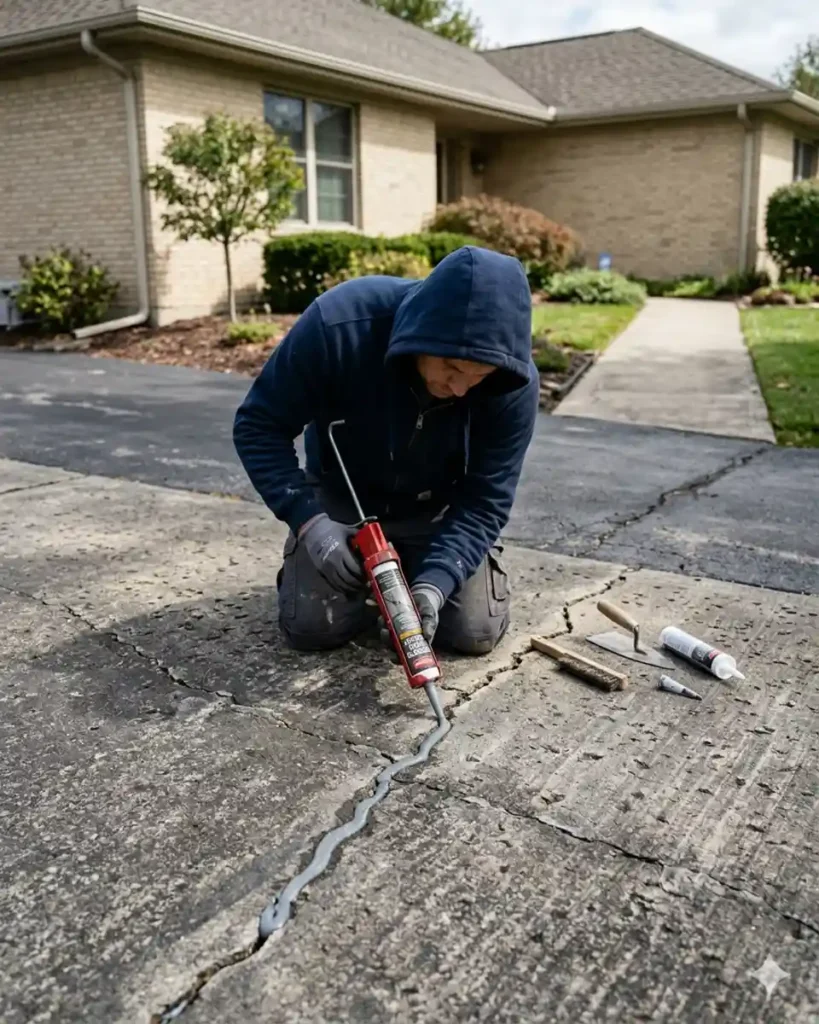
1. Liquid Fillers (Pourable)
These are ideal for horizontal surfaces like driveways and sidewalks. They are usually thin enough to flow deep into the crack, ensuring a complete seal.
2. Textured Caulks
If you are repairing a vertical wall or a sloped surface, you need something thicker. Textured caulks have a “sandy” finish that blends in with the rough look of aged concrete.
3. Two-Part Epoxies
For structural repairs where you need the concrete to be “glued” back together, epoxies are the gold standard. They cure incredibly hard and are often stronger than the concrete itself.
4. Rigid vs. Flexible Fillers
- Rigid Fillers: Best for indoor floors where the temperature is stable.
- Flexible Fillers: Essential for outdoor use where the concrete expands and contracts with the weather. A flexible concrete crack filler will stretch rather than snap when the temperature changes.
How to Apply Concrete Crack Filler: A Step-by-Step Guide
Preparation is 90% of the job. If you apply filler over dirt or loose debris, it simply won’t stick.
Step 1: Clean the Area
Use a wire brush or a screwdriver to scrape out loose rocks, dirt, and weeds. For the best results, use a shop vac or an air compressor to blow out the remaining dust.
Construction Contractors Near Me: A Guide to Finding the Best Local Builders
Step 2: Ensure the Crack is Dry
Most concrete crack filler products require a dry surface to bond properly. If it rained recently, give the area at least 24 hours to dry out.
Step 3: Use Backer Rod for Deep Cracks
If your crack is deeper than half an inch, don’t fill the whole thing with expensive sealant. Stuff a foam backer rod into the crack first, leaving about 1/4 inch of space at the top for the filler.
Step 4: Apply the Filler
Cut the nozzle of your caulk tube at a 45-degree angle. Move slowly and steadily, ensuring the concrete crack filler overfills the gap slightly, as some products shrink as they dry.
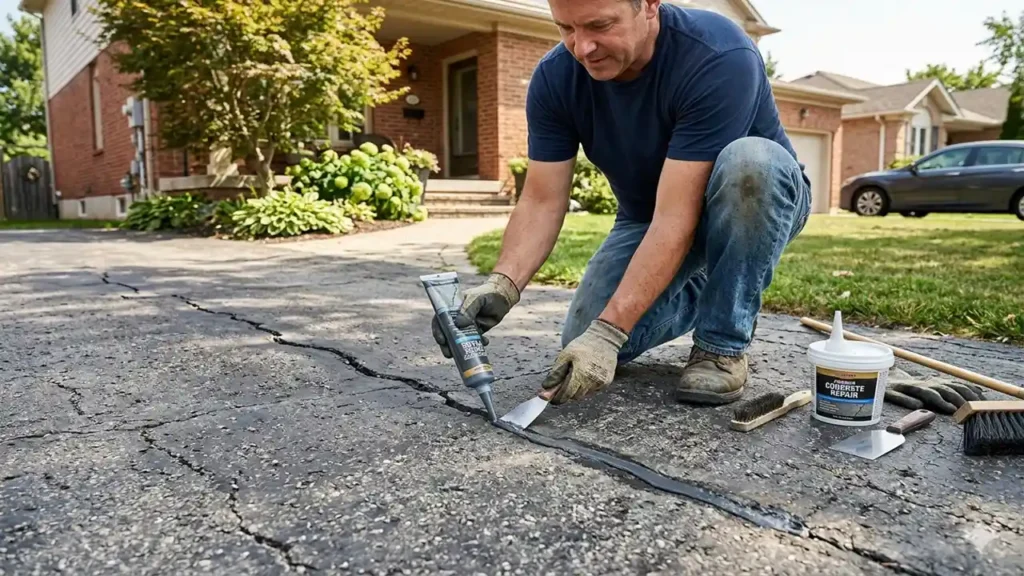
Step 5: Smooth and Finish
Use a putty knife or a gloved finger to smooth the surface. If you want a seamless look, sprinkle a little fine sand over the wet filler to match the texture of the surrounding concrete.
Concrete Crack Filler: The Ultimate Guide to Repairing Your Driveway and Walkwayshttps://t.co/LbCwYmhGQo
— Atholton News (@atholtonnews55) April 23, 2026
Construction Materials Near Me: The Ultimate Guide to Local Sourcing
Common Questions About Concrete Repair
What is the best concrete crack filler for driveways?
For most homeowners, a high-quality polyurethane sealant is the best choice. It remains flexible, withstands UV rays, and handles the weight of vehicles without cracking.
How long does crack filler take to dry?
While most products are “tack-free” within an hour, you should generally wait 24 to 48 hours before driving a car over the repaired area.
Can I paint over the filler?
Yes, but ensure you choose a “paintable” or “latex-based” filler. Pure silicone fillers generally do not take paint well.
Maintenance Tips to Prevent Future Cracking
While a concrete crack filler is a great “cure,” prevention is even better. Here is how to keep your concrete in top shape:
- Seal Your Concrete: Apply a high-quality penetrative sealer every 2–3 years to keep moisture out.
- Manage Drainage: Ensure your gutters and downspouts aren’t dumping water directly onto the edge of your driveway.
- Watch the Weight: Avoid parking heavy machinery or oversized trucks on the edges of your slab, which are the most prone to snapping.
Concrete Blocks: The Essential Guide to Modern Building
Summary of Filler Types
| Filler Type | Best For | Pros | Cons |
| Polyurethane | Driveways / Patios | Flexible & Durable | Can be messy to apply |
| Epoxy | Foundations / Walls | Structural Strength | Not flexible |
| Acrylic Latex | Small indoor cracks | Easy cleanup (Water-based) | Shrinks more than others |
| Quikrete/Cement | Large holes | Very cheap | Prone to re-cracking |
Take Action Today
Small cracks are a warning sign from your home. By choosing the right concrete crack filler today, you are protecting your property value and preventing a massive repair bill down the road. It’s an affordable DIY project that offers immediate satisfaction and long-term peace of mind.
Ready to start your repair? Head to your local hardware store, grab a tube of high-quality concrete crack filler, and give your driveway the TLC it deserves. If the damage looks structural or the cracks are wider than an inch, consider consulting a professional mason to ensure your foundation is secure.