


In this guide, you’ll learn why a new construction home inspection is your best defense against structural issues, how the process works, and why “brand new” doesn’t always mean “flawless.”
Why You Need a New Construction Home Inspection
It’s a common misconception that a municipal code inspection is the same as a private home inspection. City inspectors check for minimum safety codes, but they aren’t looking for quality of workmanship or long-term maintenance issues.
A private new construction home inspection provides a deep dive into the home’s systems. From gaps in the attic insulation to improperly wired outlets, these “invisible” errors can lead to massive headaches once the builder’s one-year warranty expires. By catching these issues early, you ensure the builder not your bank account—covers the cost of the repairs.
The Three Phases of New Build Inspections
Most experts recommend a phased approach to inspecting a home while it is being built. This allows the inspector to see what will eventually be hidden behind drywall.
1. Pre-Slab Inspection
Before the concrete is poured for your foundation, an inspector checks the plumbing lines, the vapor barrier, and the soil preparation. If the foundation isn’t right, nothing else in the house will be.
Precast Concrete Panels: 7 Smart Benefits Every Builder Should Know
2. Pre-Drywall Inspection
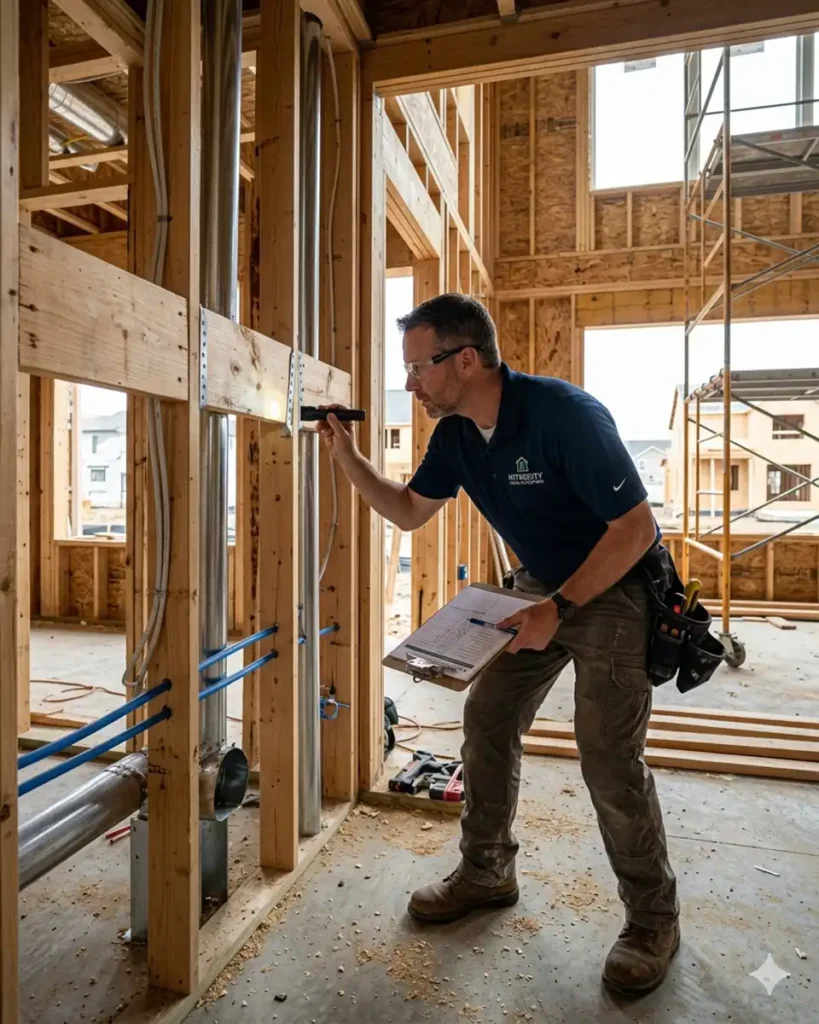
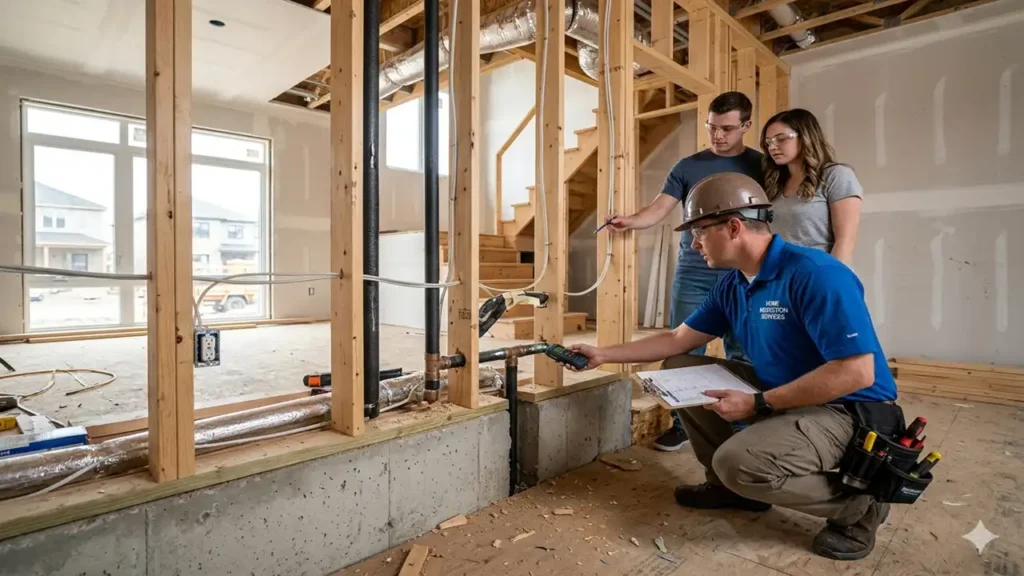
Once the “bones” of the house are up—the framing, electrical wiring, and HVAC ductwork—but before the walls are closed, a new construction home inspection is critical. This is the only time an inspector can verify that the wall studs are straight and the wiring is safely secured.
3. Final Walkthrough Inspection
This happens when the house is 100% complete. The inspector tests all appliances, checks the roof, examines the grading of the yard, and looks for “cosmetic” defects that might actually indicate deeper problems.
Common Issues Found in Brand New Homes
You might be surprised by what turns up during a new construction home inspection. Even in luxury builds, simple human error can lead to:
- Structural Defects: Improperly installed roof Trusses or floor joists.
- HVAC Problems: Ductwork that isn’t connected, leading to heating and cooling losses in the attic.
- Plumbing Leaks: Small drips under sinks or behind tubs that can cause mold within months.
- Electrical Hazards: Reversed polarity in outlets or missing GFCI protection.
- Missing Insulation: Large gaps in the attic or walls that drive up energy bills.
Precast Solutions in USA: 7 Shocking Reasons Builders Are Switching Introduction
The Benefits of Professional Oversight
When you hire an independent expert for a new construction home inspection, you are buying peace of mind. Builders often work with multiple subcontractors who may be rushing to meet a deadline. Having a second set of professional eyes ensures that “corner-cutting” doesn’t become your problem.
Furthermore, a detailed inspection report serves as a powerful negotiation tool. It provides a clear, objective list of items that the builder needs to fix before you sign the final closing papers.
What to Look for in a New Build Inspector
Not all inspectors are experienced with new builds. When searching for someone to perform your new construction home inspection, ask the following:
- Do you have experience with phased inspections?
- Are you familiar with local building codes?
- Do you provide a digital report with photos?
- Can I attend the inspection? (A good inspector will encourage this so they can explain their findings in person).
New Construction Plumbing: A Comprehensive Guide to Modern Systems
Frequently Asked Questions
Does the builder have to fix everything found in the report?
Technically, the builder is required to meet code and the terms of your contract. While they might argue over minor cosmetic scratches, they are generally obligated to fix functional, safety, or structural defects identified during a new construction home inspection.
How much does a new construction inspection cost?
Prices vary by region and the size of the home, but typically range from $400 to $800. Considering a major foundation or roof repair can cost $10,000 or more, this is a small price to pay for insurance.
Structural Composite Lumber: The Backbone of Modern Construction
If the house has a warranty, do I still need an inspection?
Yes! It is much easier to get a builder to fix an issue while their crew is still on-site than it is to chase them down six months later through a warranty claim.
Protect Your Investment
Your home is likely the largest investment you will ever make. Don’t let the excitement of a “new” property blind you to the reality that construction is a complex, human-led process prone to error. Scheduling a new construction home inspection is the smartest way to hold your builder accountable and ensure your dream home doesn’t turn into a renovation nightmare.
Leave a Reply