



Why Choose Concrete Stain Over Traditional Flooring?
Many people assume that decorative concrete is only for industrial warehouses or trendy lofts. However, concrete stain has become a go-to choice for residential renovations because of its unique aesthetic and durability.
- Customization: No two stained floors look exactly alike. The way the concrete reacts to the stain creates a variegated, mottled appearance similar to natural stone.
- Cost-Effectiveness: Compared to hardwood or premium tile, staining your existing slab is significantly more affordable.
- Hypoallergenic: Stained concrete doesn’t trap dust, dander, or allergens like carpet does.
- Longevity: When properly sealed, a stained surface can withstand heavy foot traffic and UV exposure without fading or chipping.
Understanding the Two Main Types of Concrete Stain
Before you head to the hardware store, you need to know which product fits your specific project. Not all stains are created equal.
1. Acid-Based Stains (Reactive)
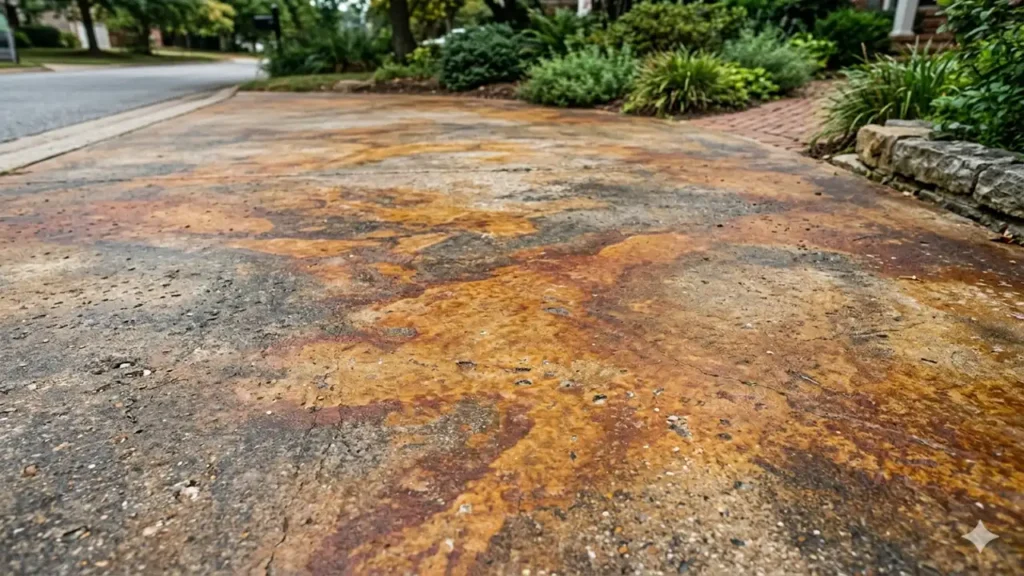
Acid stains are made of a mixture of water, hydrochloric acid, and metallic salts. They work by chemically reacting with the calcium hydroxide in the concrete. This produces earthy tones like terra cotta, soft greens, and deep browns. Because it is a chemical reaction, the resulting color is permanent and won’t fade.
2. Water-Based Stains (Non-Reactive)
If you want a broader color palette—think vibrant blues, reds, or yellows—water-based concrete stain is the way to go. These act more like a dye that fills the pores of the concrete. They are easier to apply, have lower VOCs (fewer fumes), and offer a more consistent, “solid” color than acid stains.
Step-by-Step: How to Apply Concrete Stain Like a Pro
The secret to a stunning floor isn’t actually the staining process; it’s the preparation. If the surface isn’t prepped, the stain won’t penetrate.
Surface Preparation
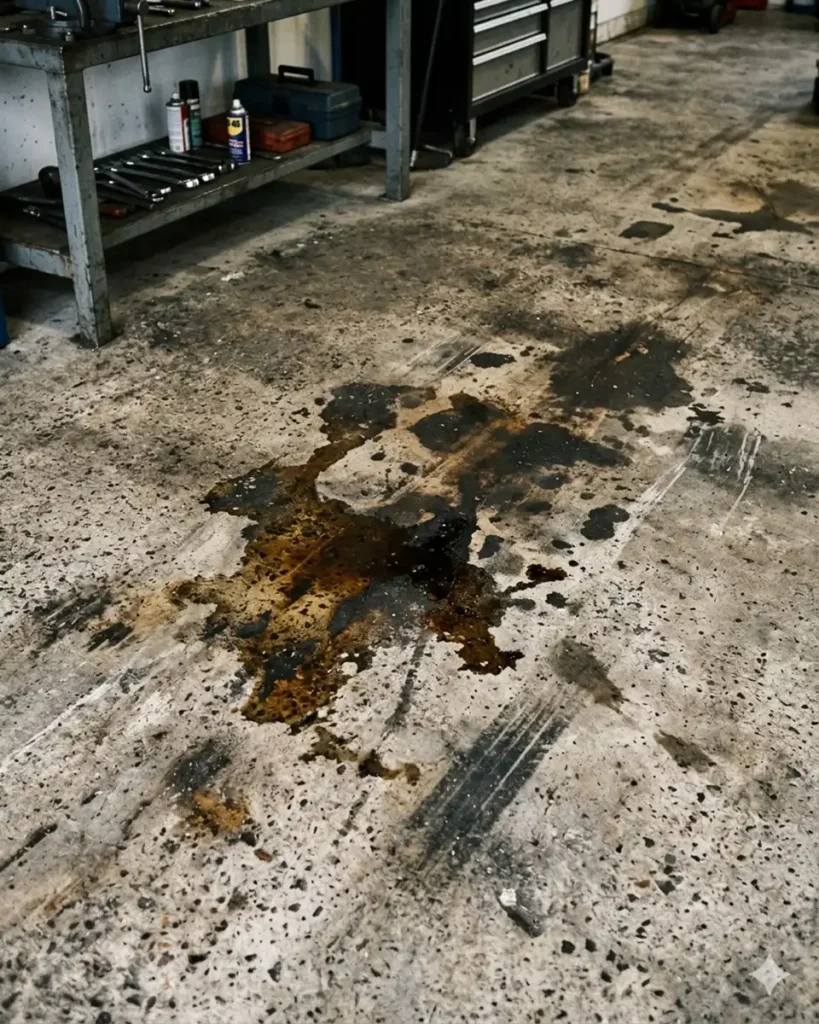
You must remove all grease, oil, sealers, and dirt. A “water test” is the best way to check: drop water on the slab; if it beads up, there is a sealer present that must be ground off. If the water soaks in, you’re ready to clean with a specialized concrete degreaser.
Application Techniques
For a DIY project, a pump sprayer is usually the best tool. Apply the concrete stain in circular motions to avoid “lap lines.” For acid stains, you will need to neutralize the surface with a mixture of baking soda and water after the reaction time (usually 4–8 hours) to stop the chemical process.
The Importance of Sealing
A stain provides the color, but the sealer provides the protection. A high-quality solvent-based or water-based sealer will “pop” the color, giving it that “wet look” while protecting the surface from stains and scratches.
Common Mistakes to Avoid with Concrete Staining
Even with the best intentions, things can go wrong if you rush the process. Here are three things to watch out for:
- Ignoring Moisture: If your concrete slab has high moisture levels (common in basements), the sealer may turn cloudy or “blush.” Always perform a moisture test before starting.
- Over-Applying: More is not better. Applying too much concrete stain can lead to pooling and a finish that never properly cures or bonds.
- Skipping the Sample Test: Concrete is a natural material with varying compositions. Always test your concrete stain in a small, inconspicuous corner to ensure the final color is what you expected.
Maintenance: Keeping Your Stained Concrete Beautiful
One of the biggest draws of this material is how low-maintenance it is. For interior floors, a simple routine of dry mopping and the occasional damp mop with a pH-neutral cleaner is all you need. For outdoor surfaces like patios, a quick power wash and a reseal every 2–3 years will keep the concrete stain looking brand new.
Why Wall Putty is Essential for Precast Concrete Surfaces
FAQ
Can you stain old concrete?
Yes! As long as the concrete is structurally sound and free of existing sealers or heavy contaminants, you can apply concrete stain to slabs that are decades old. In fact, older concrete often takes acid stain beautifully.
How long does stained concrete last?
If properly sealed and maintained, the color from a concrete stain can last the lifetime of the concrete itself. The sealer may need refreshing every few years, but the pigment is permanent.
Is stained concrete slippery?
Like any hard surface, it can be slippery when wet. However, you can easily remedy this by adding a “slip-resistant” additive (usually a clear grit) into the final coat of sealer.
Ready to Level Up Your Surfaces?
Transforming your home doesn’t always require a massive demolition. By using concrete stain, you can take a plain, gray slab and turn it into a work of art that adds value and character to your property. Whether you choose the organic look of acid-based products or the bold colors of water-based options, the results are sure to impress.
Leave a Reply