What is Structural Composite Lumber?
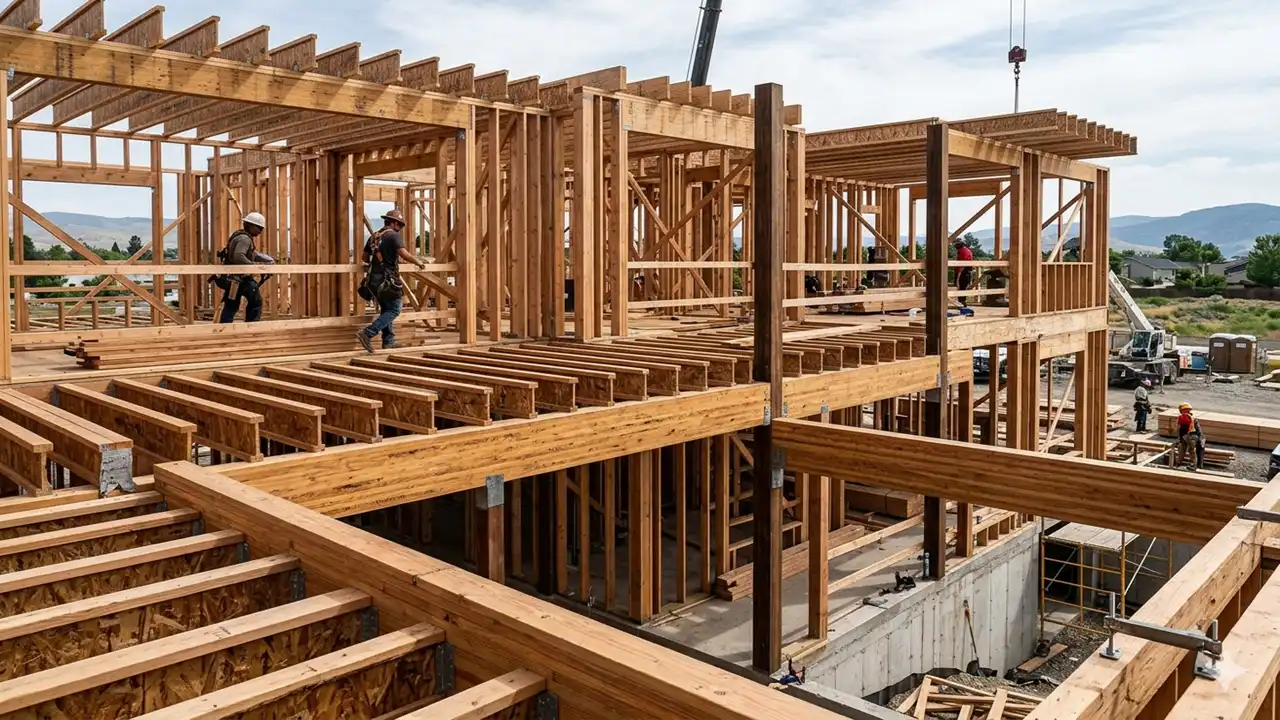
At its core, structural composite lumber is a family of engineered wood products created by layering wood veneers, strands, or flakes and bonding them together with moisture-resistant adhesives.
Think of it as “upgraded” wood. While a natural 2×10 board is limited by knots, grain deviations, and the size of the log it came from, SCL is manufactured to be incredibly consistent. By breaking the wood down and reassembling it, manufacturers can remove natural defects, resulting in a product that is stronger, straighter, and more predictable than traditional solid-sawn lumber.
The Main Types of Structural Composite Lumber
Not all engineered wood is created equal. Depending on your project’s needs, you might encounter one of these four primary categories:
1. Laminated Veneer Lumber (LVL)
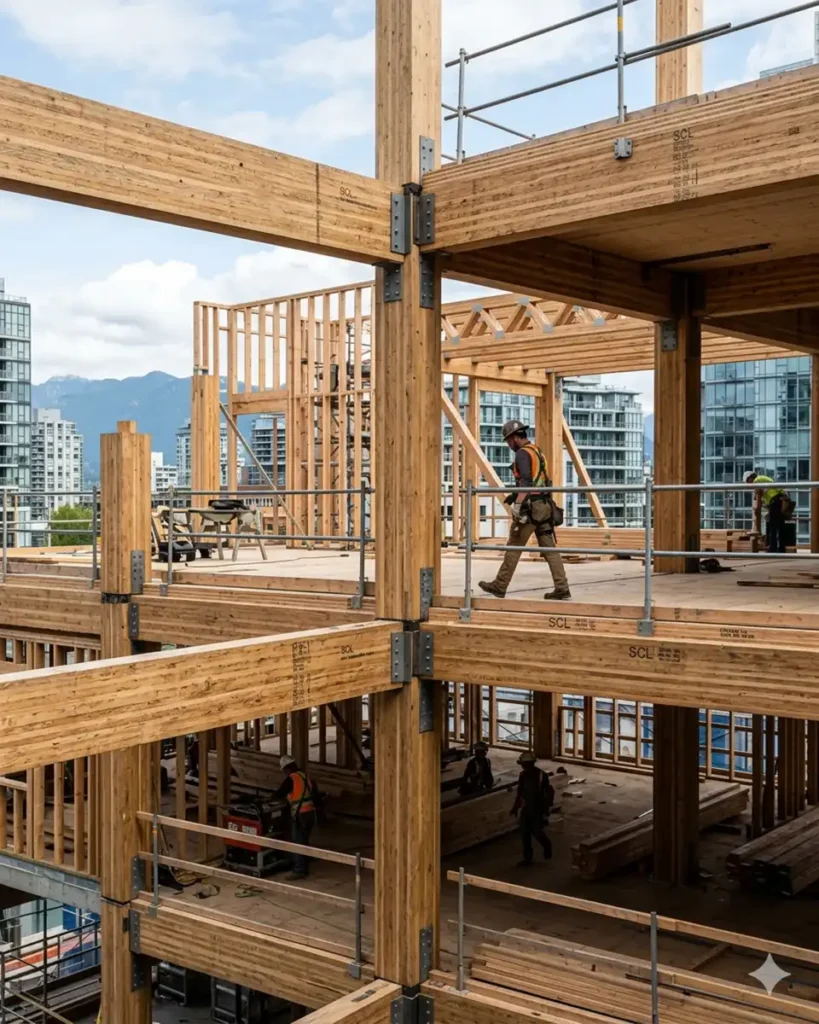
LVL is perhaps the most common type of structural composite lumber. It is made from thin wood veneers glued together in parallel layers. Because the grain runs in one direction, it is exceptionally strong when used as beams or headers.
2. Parallel Strand Lumber (PSL)
PSL is made from long strands of wood clipped from veneers. These strands are oriented in parallel and bonded under high pressure. It is often used for heavy-duty columns and long-span beams because of its high load-bearing capacity and attractive, textured appearance.
White Cement: The Ultimate Guide to Uses, Benefits, and Application Tips
3. Laminated Strand Lumber (LSL)
Similar to PSL but made from shorter wood strands, LSL is a versatile and cost-effective option. It is frequently used for rim boards, millwork, and tall wall studs where straightness is a top priority.
4. Oriented Strand Lumber (OSL)
OSL is crafted from flaked wood strands. While similar to LSL, it generally has a lower density and is used for applications like window and door headers where the structural demands are moderate.
Key Benefits of Using Structural Composite Lumber in Your Project
Why are builders making the switch from traditional timber? The advantages of structural composite lumber go beyond simple strength.
- Dimensional Stability: Traditional wood tends to shrink, warp, or twist as it dries. SCL is manufactured with low moisture content, meaning it stays straight and true over time.
- Design Flexibility: Because it is man-made, structural composite lumber can be produced in virtually any length, limited only by transportation constraints. This allows for open-concept designs without the need for frequent support pillars.
- Consistency: Every piece of SCL is engineered to meet specific strength ratings. This removes the guesswork for architects and structural engineers.
- Sustainability: SCL processes use a higher percentage of the log compared to traditional milling and can often utilize smaller, fast-growing trees, making it an eco-friendly choice for green building initiatives.
Concrete Texture Revolution: How Precast Panels Create Modern Architectural Art
Where is Structural Composite Lumber Used?
You’ll find structural composite lumber in various parts of a structure, particularly where high performance is non-negotiable.
Headers and Beams
In residential framing, SCL is the “gold standard” for headers over large windows and garage doors. It provides the necessary stiffness to prevent sagging, which ensures that doors and windows continue to operate smoothly for decades.
Floor Joists and Rim Boards
When floors need to be perfectly level and squeak-free, builders often turn to structural composite lumber. Its uniformity prevents the uneven “crowning” often seen in solid wood joists.
Industrial Applications
Beyond homes, SCL is used in bridge components, scaffold planking, and even furniture frames where high strength-to-weight ratios are required.
BIM Manager Insights: Smarter Workflows for Precast Concrete Structures
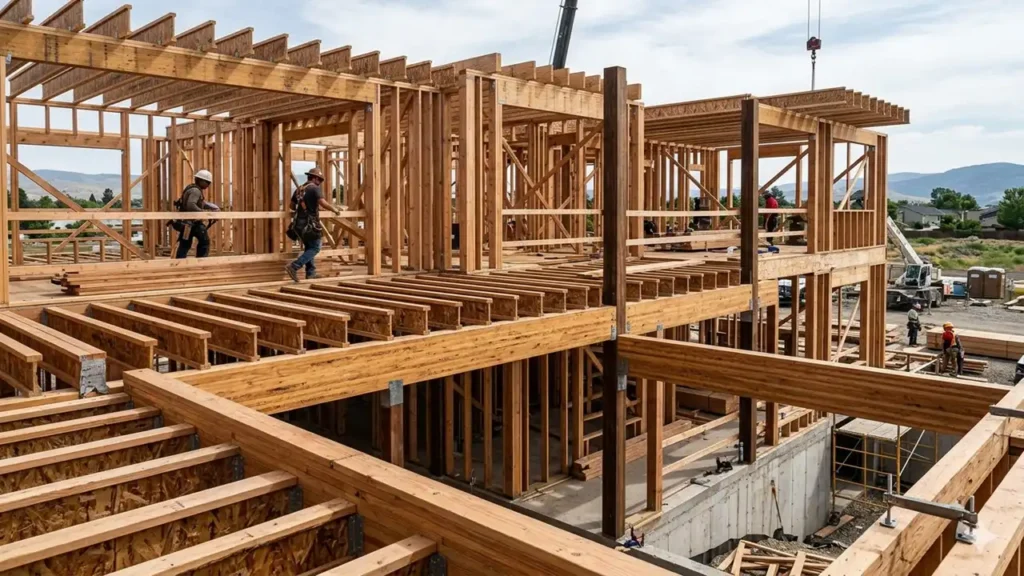
Installation Tips for Builders
Working with structural composite lumber is very similar to working with traditional wood, but there are a few “pro tips” to keep in mind:
- Seal the Cuts: While SCL uses water-resistant glue, the ends can still absorb moisture. Always seal field-cut ends to prevent swelling.
- Follow the Load Path: Ensure that your SCL beams are properly seated on columns or jack studs as specified by the manufacturer’s load charts.
- Use the Right Fasteners: Because SCL is denser than natural wood, specific nailing patterns or specialized screws may be required to prevent splitting.
FAQ
Is structural composite lumber more expensive than regular wood?
Initially, yes. The manufacturing process makes the upfront cost higher. However, because it reduces waste, prevents future repairs (like fixing warped walls), and allows for faster installation, it often lowers the total project cost.
Can structural composite lumber be used outdoors?
While the adhesives are moisture-resistant, most structural composite lumber is intended for “dry-use” applications. If used outdoors, it must be pressure-treated or protected by a weather-proof envelope to prevent decay.
How does SCL compare to steel beams?
SCL is often preferred over steel for residential projects because it is lighter, easier to cut on-site with standard tools, and provides better thermal insulation. However, for extremely high-load industrial spans, steel may still be necessary.
Build Stronger for the Future
Choosing structural composite lumber is an investment in the longevity and quality of a building. Whether you are a homeowner planning a renovation or a contractor framing a complex custom home, these engineered products offer the reliability and strength that nature alone cannot provide.